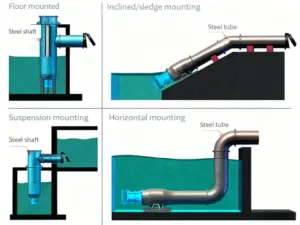
Vertical Axial Flow Pump Installation: Site Checklist
Vertical axial flow pump installation starts with approved drawings, intake water levels, and foundation checks. Confirm the drive setup, fit and measure the pump, then complete the required…
Vertical axial flow pump installation starts with approved drawings, intake water levels, and foundation checks. Confirm the drive setup, fit and measure the pump, then complete the required…
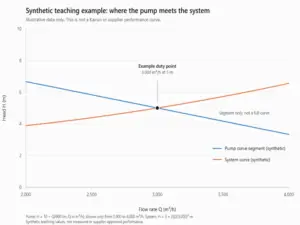
An axial flow pump curve plots head, efficiency, shaft power, and required suction head against flow rate at one stated speed, blade pitch, and impeller diameter. Read it…
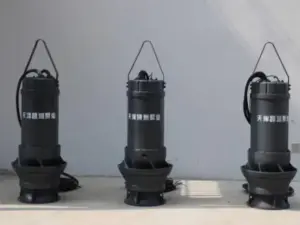
Axial flow pump specifications should define a paired flow rate and head, speed, power basis, liquid conditions, and site limits. The largest flow figure on a brochure cannot…
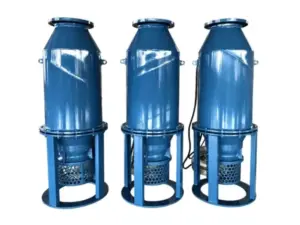
Vertical axial flow pump selection starts with required flow and total dynamic head, followed by checks on intake conditions, motor load, and layout. Choose a model whose approved…
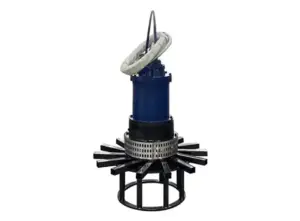
Key Takeaways Which Performance Parameters Should You Check First? When evaluating a submersible centrifugal pump, buyers should distinguish between air supply and oxygen transfer performance. These indicators describe…
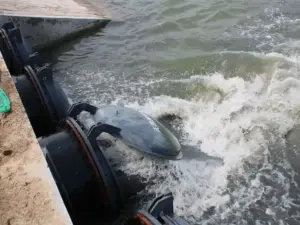
Mixed flow pump efficiency is the hydraulic power delivered to the liquid divided by the power supplied to the pump shaft. Check it at your required flow and…
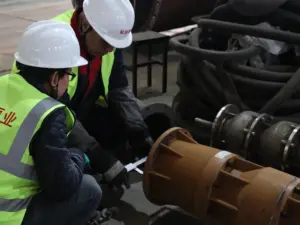
Start submersible pump troubleshooting with the symptom, alarm history, running liquid level, and discharge path. These checks help separate a control fault, an electrical problem, and a blocked…
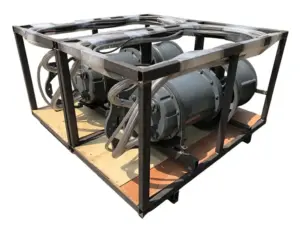
Start submersible pump maintenance by recording how the pump runs, checking its service manual, and assigning each task to the right person. A drop in flow can point…
In the evolving landscape of fluid dynamics and municipal water management, staying informed about engineering practices is essential. Kairun Pump’s news and insights center serves as a technical resource for operators, engineers, and procurement managers. We regularly share our field experience, technical updates, and manufacturing developments to assist our global partners in maintaining high hydraulic efficiency and reducing operational downtime.
Our technical writers and pump engineers collaborate to deliver objective content across several core areas:
Engineering Case Studies: Detailed reviews of real-world installations, including flood control projects, municipal sewage treatment setups, and mine dewatering solutions.
Maintenance & Troubleshooting Guides: Practical advice on how to extend the lifespan of your submersible pumps, diagnose motor leakages, and service wear-resistant impellers.
Pump Selection & Design Tips: Technical articles explaining how to calculate pump head, determine flow rate requirements, and select the correct metallurgy for corrosive or abrasive fluids.
Corporate Announcements: Updates on our factory developments, testing lab expansions, and enhancements to our submersible and slurry pump product lines.
Field Engineering Expertise: Our guides are based on manufacturing standards and on-site testing data, providing practical solutions to common industrial pumping problems.
Focus on Long-Term Efficiency: We emphasize energy-saving technologies and preventive maintenance strategies to help lower your total cost of ownership.
Accessible Technical Resources: Access documentation and tutorials to support your on-site maintenance teams and improve equipment reliability.
A: Yes. If you are experiencing a technical challenge not covered in our blog, please contact our support team. We can provide technical documentation or connect you directly with a pump engineer for assistance.
A: We update our news and resource section monthly with fresh technical insights, maintenance tips, and case studies to ensure our readers have access to relevant industry knowledge.
A: While some articles focus on Kairun-specific designs, the majority of our troubleshooting, maintenance, and hydraulic calculation guides are based on general engineering principles and can be applied broadly across the industrial pump sector.