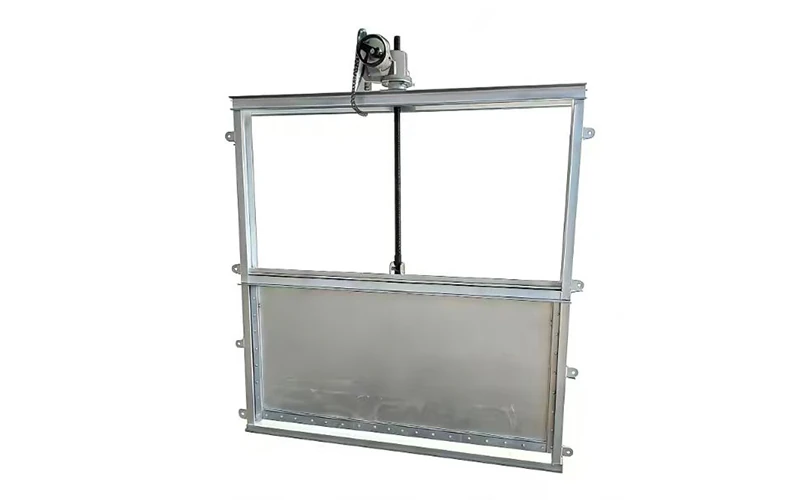
Stop log
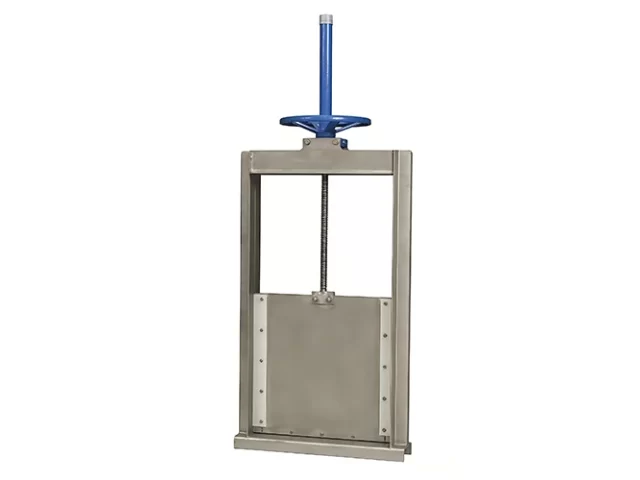
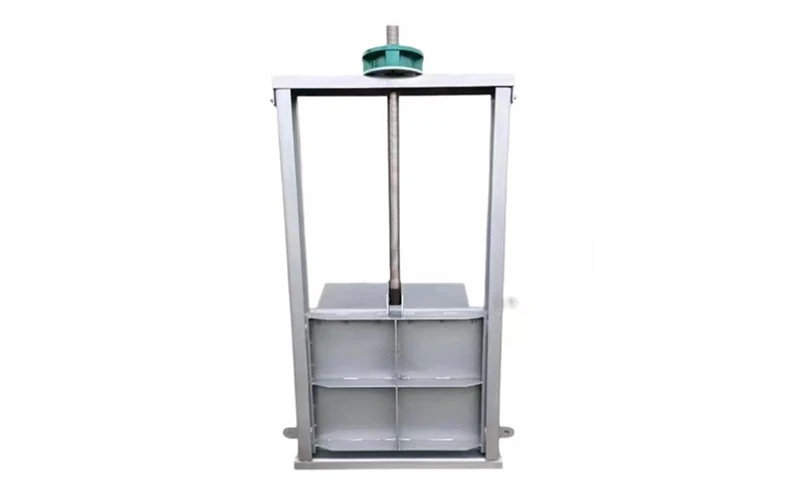
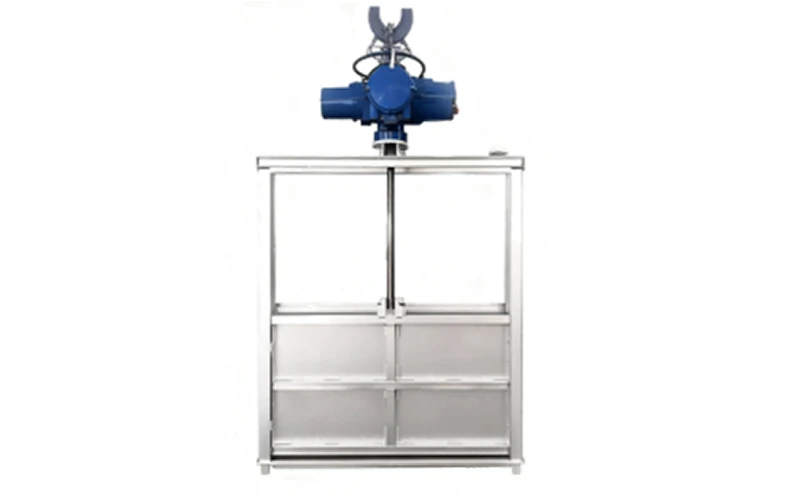
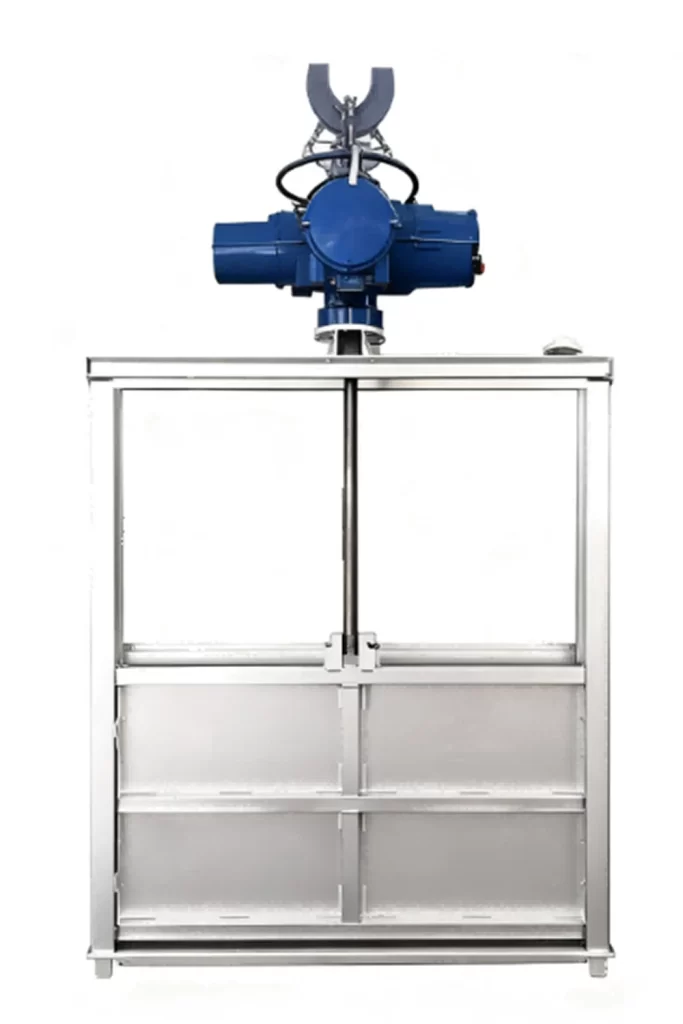
Z-type series steel gates are essential water retention and sealing devices for water supply, drainage, water conservancy, and hydropower projects. Our company offers a comprehensive range suitable for all applications, categorized into five structural types, providing stable support for water flow control and water level regulation in water conservancy projects.
Stop log Product Introduction
Classification
Model Indication and Material
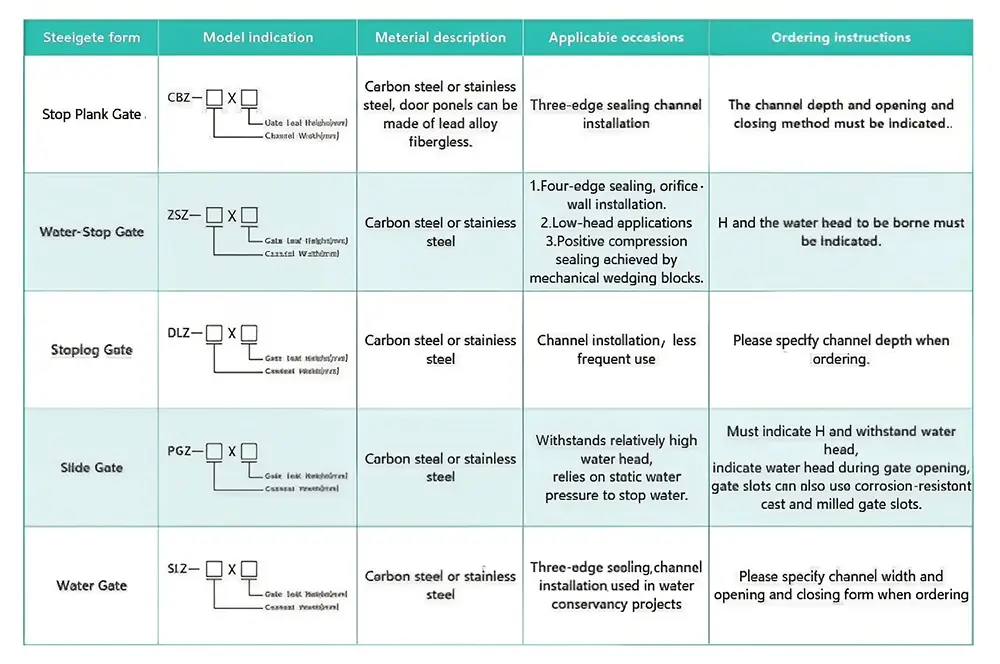
Each type is marked with structural features, dimensions and other parameters. The material can be carbon steel or stainless steel, and some types can be made of ductile iron
Steel gate classification and model representation
Calculation of Hoisting Forces for Steel Gates and Selection of Hoisting Equipment
1. CBZ Type: Equipped with dedicated hoisting device. Only specify manual or electric operation; noneed to indicate hoist model separately.
2 .ZSZ Type: Calculate hoisting force according to the method for cast iron gates.3.
3.DLZ Type: Operated by electric single-girder crane (electric/manual chain hoist) with grab-releasemechanism. For gates with width ≤1.5m and suitable depth, hand-carry operation is allowed.
4. PGZ Type: Can be matched with our Q-Series hoists based on hoisting force, or use winchhoists/electric chain hoists with auto grab-release, Hoisting force must be calculated diferently based on hoisting force, or use winchhoists/electric chain hoists with auto grab-release, Hoisting force must be calculated differently basedon static water pressure conditions during gate opening:
2 .ZSZ Type: Calculate hoisting force according to the method for cast iron gates.3.
3.DLZ Type: Operated by electric single-girder crane (electric/manual chain hoist) with grab-releasemechanism. For gates with width ≤1.5m and suitable depth, hand-carry operation is allowed.
4. PGZ Type: Can be matched with our Q-Series hoists based on hoisting force, or use winchhoists/electric chain hoists with auto grab-release, Hoisting force must be calculated diferently based on hoisting force, or use winchhoists/electric chain hoists with auto grab-release, Hoisting force must be calculated differently basedon static water pressure conditions during gate opening:
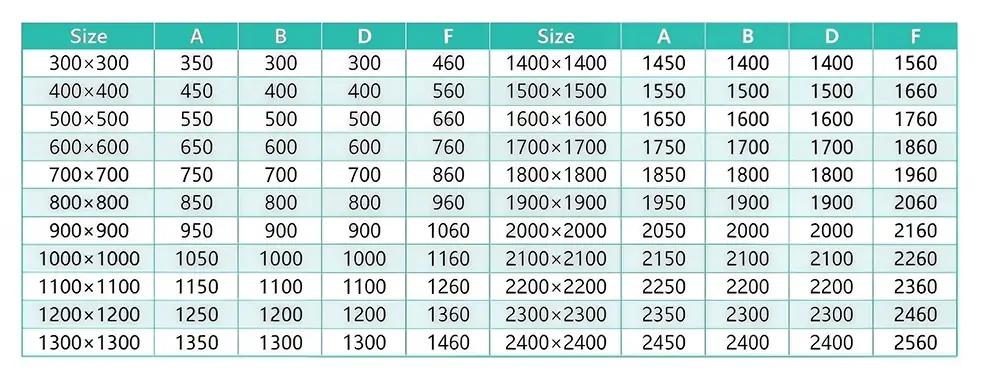
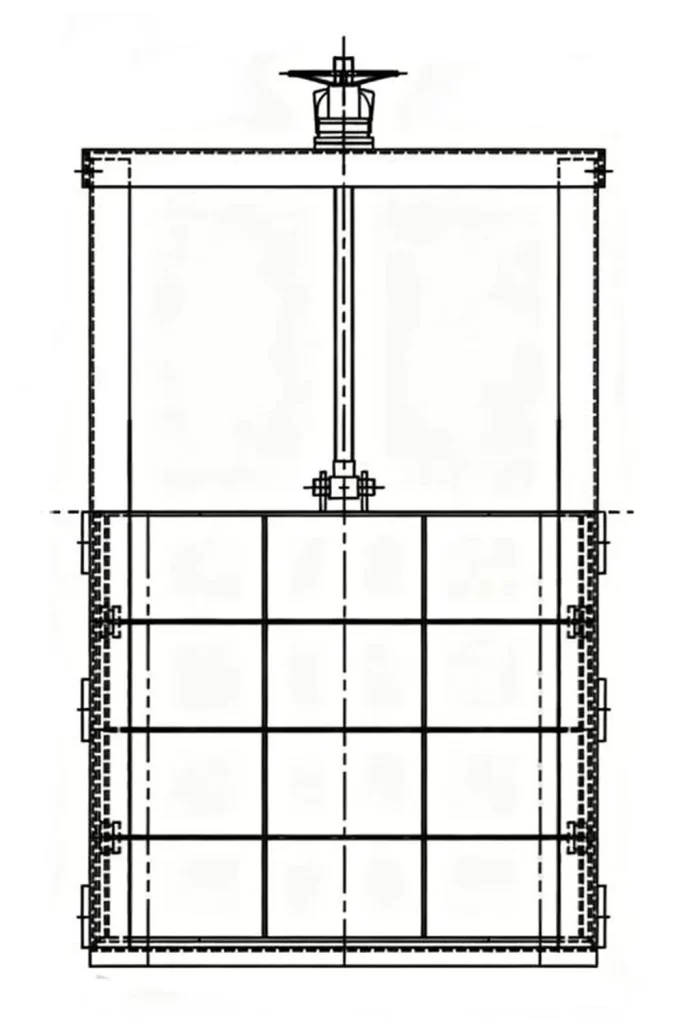
Application
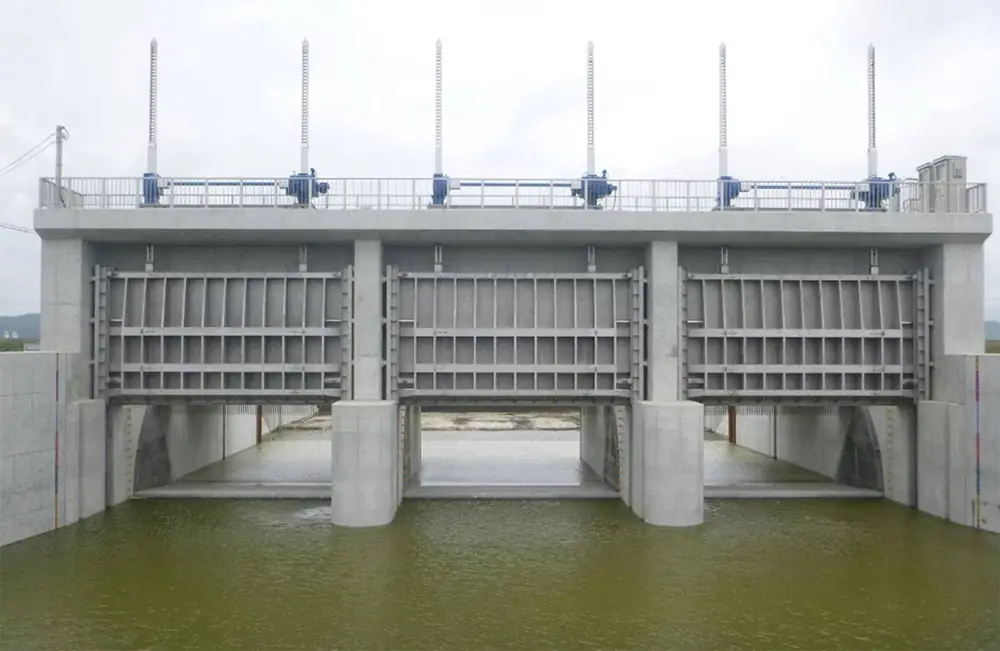
Water Conservancy Projects: Pump Station, Canal, and Gate Maintenance
Pump stations, irrigation canals, and gates require regular equipment maintenance, gate repairs, and canal dredging. These operations necessitate temporary water shut-off and drainage. Stop logs can quickly block water flow, providing a safe working environment for maintenance work and are a core piece of equipment for temporary isolation in water conservancy projects.
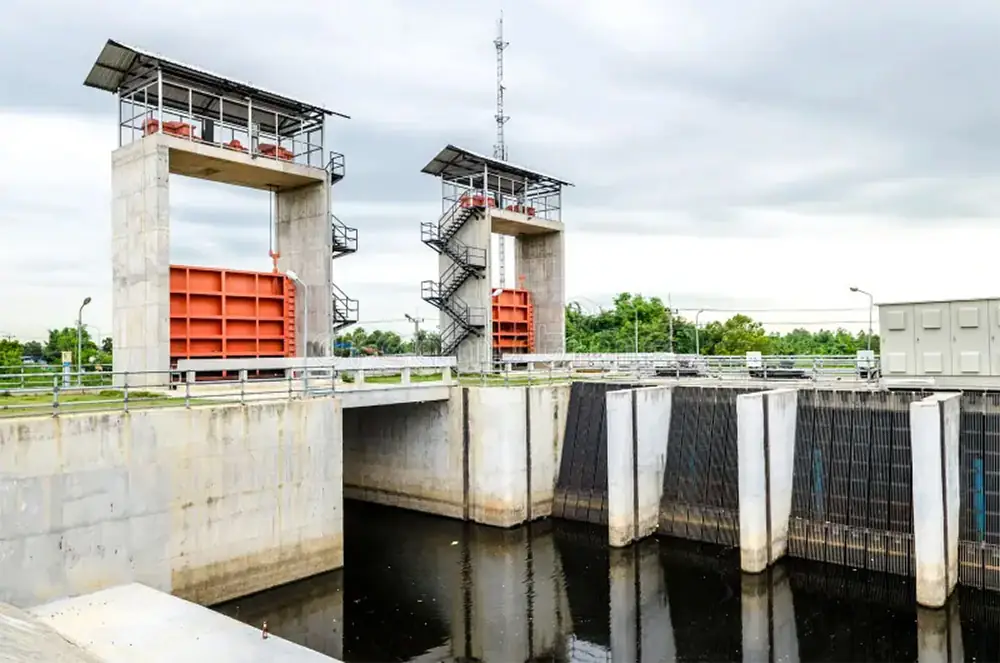
Water Treatment Industry: Equipment Maintenance and System Isolation
Reaction tanks, sedimentation tanks, and filtration equipment in water treatment plants (waterworks, wastewater treatment plants) require regular maintenance, filter replacement, and equipment debugging. Stop logs precisely isolate water flow, preventing water pollution or disruption to other areas during maintenance.
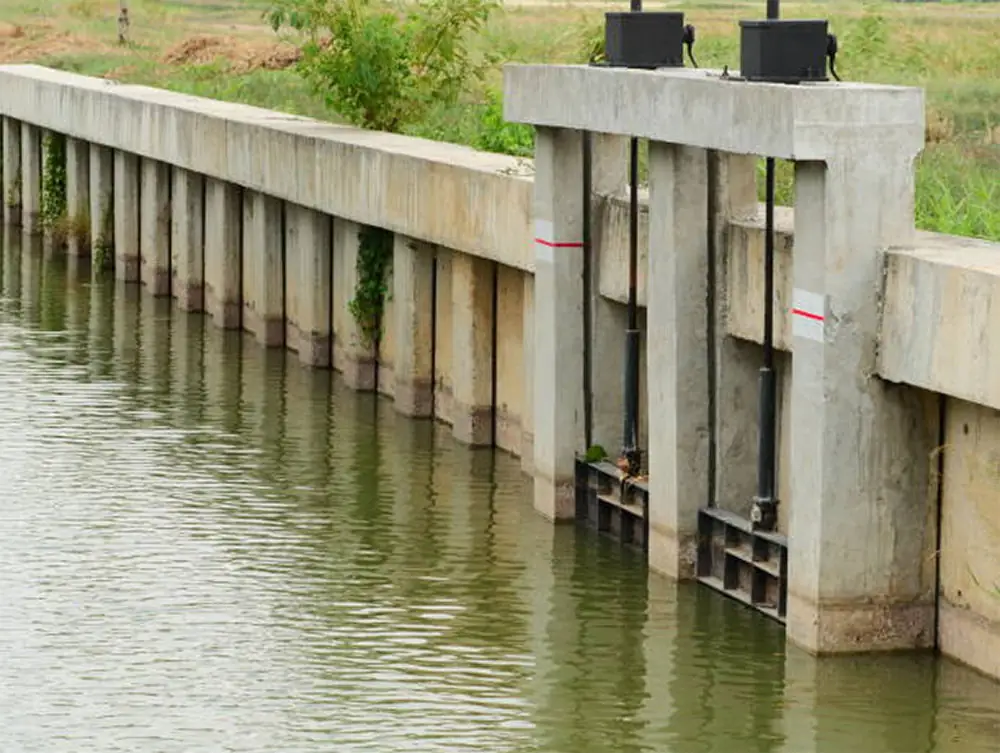
Industrial Production: Pipeline and Equipment Maintenance
Maintenance of various water-related pipelines and production equipment (such as cooling systems and circulating water systems) requires temporary water shut-off to prevent water leakage that could contaminate production areas or damage the equipment being maintained.
Municipal Engineering: Pipeline and Landscape Facility Maintenance
The inspection and dredging of urban underground pipelines involves using stop logs to block water flow and drain the pipes, facilitating work such as dredging, repairing damage, and reinforcing joints. Maintenance of artificial lakes and landscape ponds in urban parks and squares involves temporarily blocking water with stop logs, draining the water, and then cleaning the ponds, inspecting facilities, and changing the water quality, without affecting the surrounding landscape or traffic. Routine maintenance of municipal pumping stations requires isolating the inlet channels to ensure safe maintenance of equipment within the pumping stations and guarantee the stable operation of the urban drainage and water supply systems.
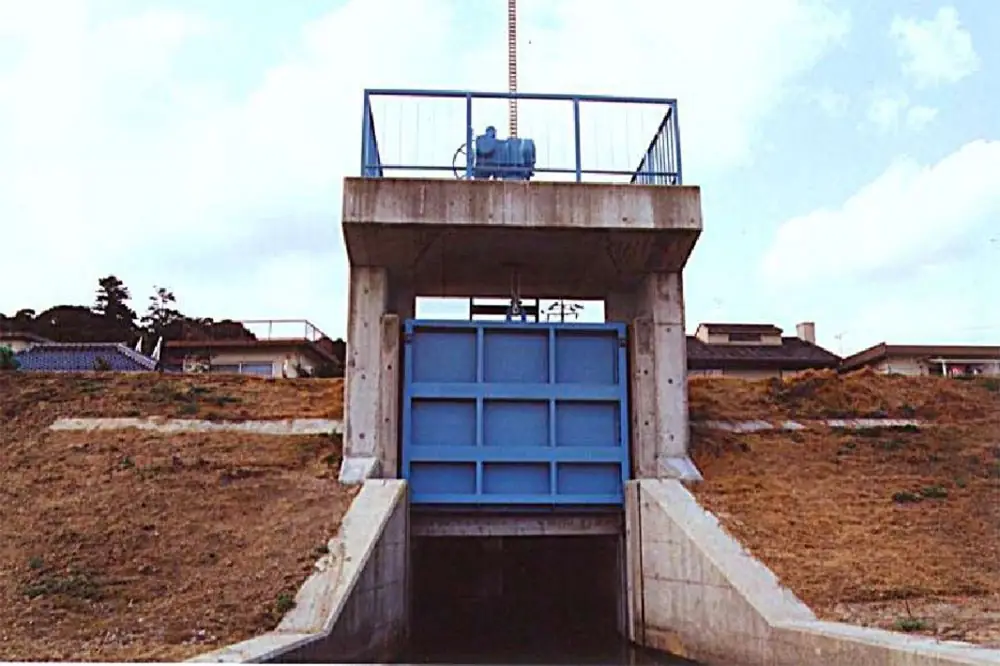
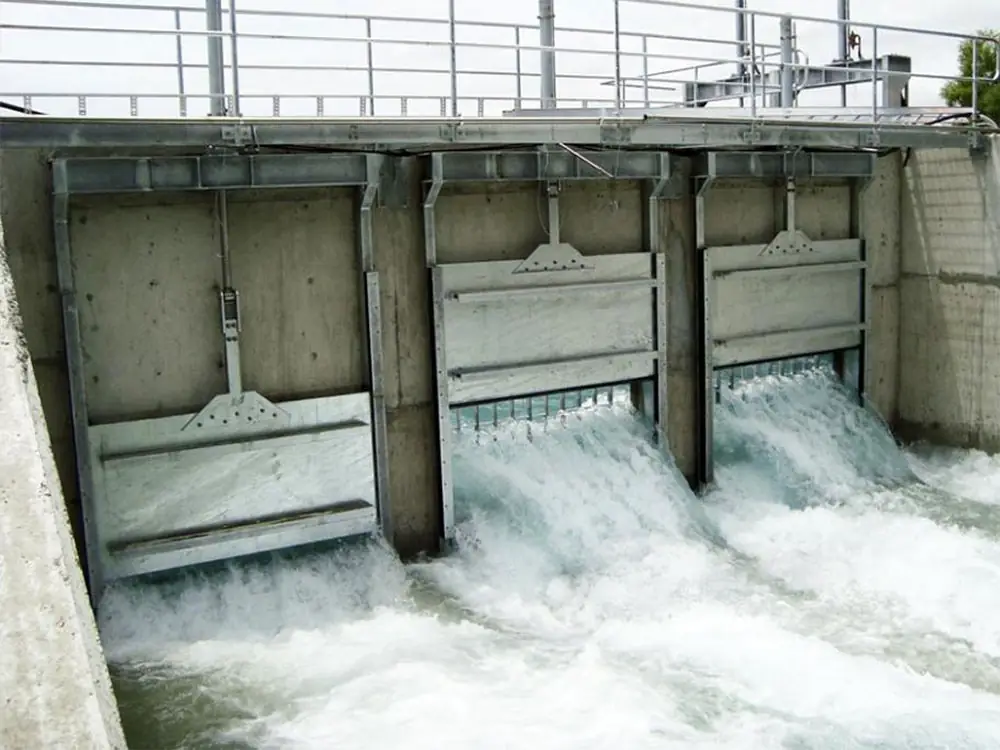
Emergency Flood Control: Temporary Water Blocking and Sealing
During the flood season, when encountering torrential rains and floods, stop logs are used for rapid splicing to temporarily block the flow of water in rivers and drainage networks, preventing floodwaters from backflowing into cities, farmland, or industrial areas; in emergency response to urban flooding, stop logs are used to temporarily seal drainage outlets in severely flooded areas to control the spread of water and buy time for drainage operations; for temporary water blocking in small rivers and ditches, when fixed gates malfunction and cannot be closed, stacked beam gates can be used as a temporary substitute to achieve rapid water blocking and prevent the disaster from escalating.