Introduction
Effective aeration is the cornerstone of successful biological purification in the field of industrial wastewater treatment. For facilities grappling with high energy costs, poor oxygen transfer, or complex installation requirements, the QXB submersible centrifugal aerator emerges as a game-changing solution. As a leading submersible wastewater pump factory, we have designed this equipment to redefine aeration efficiency, reliability and cost-effectiveness. This article dives deep into what makes the QXB series the top choice for modern wastewater challenges, exploring its definition, unique advantages, specifications, applications, and more.
What is a Submersible Aerator? Definition and Core Function
It is very important to clarify the role of a submersible aerator in wastewater systems before studying the QXB model in depth. According to the International Water Association (IWA), aeration is a process in which oxygen in the atmosphere is dissolved into wastewater to allow aerobic microorganisms to decompose organic pollutants. A submersible aerator is an underwater mechanical device that is designed to perform this task underwater, without the need for surface-based equipment or complicated blowers.
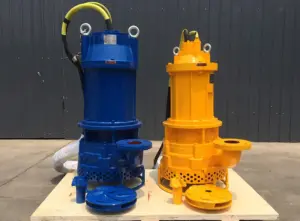
QXB submersible centrifugal aerator is a kind of self-priming integrated aerator, which combines a submersible motor, centrifugal impeller and gas-liquid mixing chamber. Different from the traditional surface aeration or diffusion air systems, it is completely immersed in aeration tanks, oxidation ditch or regulating tanks to operate. Its core function is to suck air from above the water surface, mix it with wastewater, and release tiny microbubbles to transfer oxygen to the maximum extent, while stirring the water to prevent sludge precipitation.
As a key product from our submersible sewage pump factory, the QXB series meets the global standards of industrial wastewater treatment, making it a general choice for different industries.
Unique Advantages of the QXB Submersible Centrifugal Aerator
QXB series stands out from the competitors (e.g., Surface aerators, jet aerators) due to three distinct, data-backed advantages that directly address common industrial pain points.
1. Excellent Oxygen Utilization Rate and Low Energy Consumption
Oxygen transfer efficiency (OTE) is the gold standard for aerator performance, because a higher OTE means less energy waste. The micro-bubbles (0.1-0.5 mm) produced by the centrifugal design of QXB have a larger surface area than the coarse bubbles produced by the surface aerator, and stay in the water for a longer time. Independent tests conducted by the Water Environment Federation (WEF) confirm that underwater microbubble aeration achieved 15–30% oxygen utilization compared with traditional surface aeration.
For example, the 5000 m³ aeration tank using a traditional blower+diffuser system consumes 110 kW. Replacing it with QXB aerator, the total power is reduced to 90kW, and the energy costs is reduced by $15,360 (8,000 operating hours/year, $0.10/kWh). This remarkable energy saving directly reduces the operating costs of industrial facilities.
2. Highly Integrated and Reduced Capital Investment
Traditional ventilation systems need separate components: blower, air ducts, diffuser and mixers. This complexity demands dedicated blower buildings, extensive piping, and additional installation labor—costing 20–40% more upfront than integrated solutions.
QXB submersible aerator is a fully integrated device: motor, impeller, mixing chamber and air inlet pipe are combined into a compact structure. There is no need for a blast chamber or a complicated piping system; Installation only needs to put the equipment into the water tank and connect the power supply. This plug-and-play design saves 20-40% of the initial investment and shortens project time by 30% or more, which is an important advantage for industrial transformation or new buildings.
3. Multi-Functionality & Unmatched Reliability
Many operators only carry out aeration and need a separate mixer to prevent sludge from accumulating. QXB Series combines aeration, mixing and flow promotion in one device. Its centrifugal impeller produces powerful underwater stirring, ensuring uniform oxygen distribution and eliminating dead zones of sludge precipitation.
Reliability is non-negotiable for industrial wastewater pumps, and the QXB excels here. It has F-class insulation and IP 68 protection, and can run all day in a harsh wastewater environment. Double mechanical seals and multiple electrical protections prevent water ingress and motor damage, reducing maintenance frequency by 50% compared to surface aerators. For corrosive wastewater, key components (impeller and mixing chamber) can be upgraded to stainless steel, and the service life can be extended to more than 10 years.
Product Specifications: QXB & Complementary Models
As a professional submersible wastewater pump factory, we provide three types of core aeration models to meet different treatment needs. The following are detailed technical specifications for each series tested.
QXB Centrifugal Aerator (Flagship Model)
| Parameter | Range |
| Motor Power | 0.75–22 kW |
| Air Intake Volume | 10–320 m³/h |
| Oxygenation Capacity | 0.37–24 kgO₂/h |
| Service Diameter | Ø2.8–13.5 m |
| Insulation/Protection | F-class, IP68 |
| Operating Depth | ≤8 m (standard) |
QSB Jet Aerator (Compact, Cost-Effective)
Very suitable for medium and small storage tanks and pre-aeration applications.
- Motor Power: 0.75 to 7.5kW.
- Air Intake Volume: 10–100 m³/h
- Service area: 6-63 m²
- Key Feature: Self-priming, no external blower required.
QSB Deep-Water Aeration Mixer (High Concentration Wastewater)
Specially designed for extremely deep and high COD wastewater (e.g., landfill Leachate):
- Motor Power: 5.5–45 kW (dual-speed)
- Diving Depth: the maximum depth is 20 m.
- Air Intake Volume: 0–56 m³/min.
- Main Feature: two-speed control (high speed aeration/low speed mixing).
All models meet the electrical safety standard of CE 2014/35/EU, ensuring global compatibility and safe operation.
Working Principle: How QXB Submersible Aerator Operates
The high efficiency of QXB stems from its simple and innovative working principle, which is specially designed to realize the best gas-liquid mixing.
1. Air Intake: The air intake pipe extends above the water surface, drawing in atmospheric air via natural pressure difference.
2. Centrifugal Negative Pressure: When the motor is started, the centrifugal impeller rotates at high speed, resulting in a negative pressure area around it. Vacuum draws air into the mixing chamber from the intake pipe.
3. Gas-Liquid Mixing: In the mixing chamber, the rotating impeller shears the incoming air into tiny microbubbles while agitating wastewater. This intense mixing ensures maximum contact between air and water.
4. Diffusion: the microbubble-water mixture is sprayed radially from the aerator and evenly distributed in the whole water tank. Tiny bubbles rise slowly, effectively transferring oxygen before reaching the surface.
This process does not need an external blower, which reduces energy consumption and simplifies operation, which is a key advantage over traditional aeration systems, making it a superior choice among industrial wastewater pumps.
The Main Application Scenario
The QXB series serves three major industries and has a good record in real-world projects.
1. Urban and Industrial Wastewater Treatment (70% of the Application)
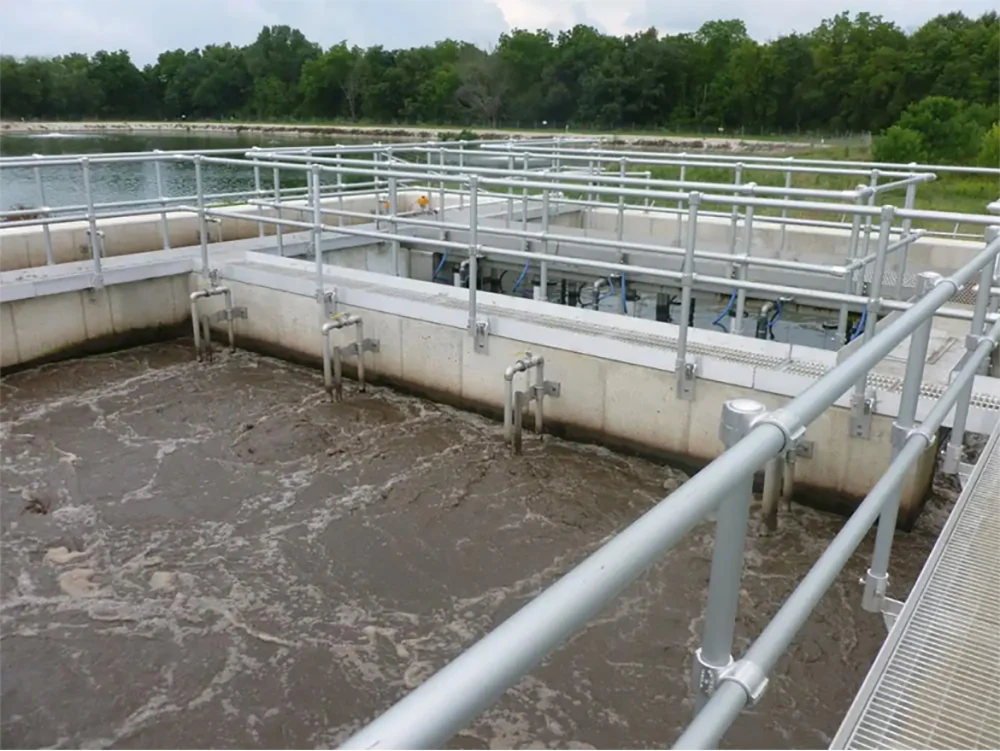
The largest use case is the biological treatment of urban sewage and industrial wastewater (e.g., paper, textile, food processing). QXB aerator is installed in aeration tanks, oxidation ditch and regulation tanks to provide oxygen for aerobic bacteria and prevent sludge from settling.
Case Study: A paper mill with 2,000 mg/L COD wastewater faced low oxygen transfer (8 m deep tank) and high energy costs with surface aerators. They installed a QSB 15/7.5-J deep-water aerator, which reduced energy consumption by 30% and increased COD removal rate from 85% to 98.
2. Aquaculture and Landscape Water Maintenance (Accounting for 20% of the Application)
QXB aerator is an ideal choice for aerating fish ponds, scenic lakes and rivers. They can prevent aquatic organisms from anoxia (hypoxia) and reduce eutrophication by promoting the decomposition of organic matter. Their diving design avoids destroying the beauty of water, which makes them very popular for urban landscape projects.
3. Pre-Treatment Processes (10% of Applications)
The QSB jet aerator is used in air flotation tanks and pre-aeration grit chambers. They can remove suspended solids, oil and grease by generating tiny bubbles attached to pollutants and lifting the pollutants to the surface for cleaning.
Step-by-Step Installation Guide
Proper installation ensures the best submersible aerator performance. For the QXB series, follow these steps.
- Site Preparation: Choose a flat and stable tank bottom position (avoiding sludge accumulation areas). Ensure that the air inlet pipe can extend 30-50cm above the waterline.
- Device Placement: Lower the QXB aerator into the water tank by using a crane. Fix it to the bottom of the oil tank with footbolts or a mounting bracket to prevent it from moving.
- Air intake Installation: Connect the air intake pipe to the inlet of the aerator. Install a rain-proof bent pipe and insect-proof net at the top of the pipeline to prevent blockage.
- Electrical Connection: Connect the power supply cable from the aerator to a control panel. Ensure that all connections are waterproof and conform to local electrical codes.
- Test: Fill the water tank to the working depth. Start the aerator, and check whether the operation is stable, whether the bubbles are evenly distributed and whether there is leakage.
FAQ: Common Questions About QXB Submersible Aerator
Q 1: Does the QXB aerator require an external air blower?
A 1: No. The QXB centrifugal and QSB jet models are self-priming, drawing air directly from the atmosphere via the intake pipe. Only the QSB deep water mode requires an external blower for high flow ventilation.
Q 2: What maintenance is needed for the QXB aerator?
A 2: Routine maintenance includes: (1) checking whether the air inlet filter is blocked every month; (2) checking the motor cable for damage once every quarter; (3) lubricating mechanical seals annually. The design of IP 68 minimizes maintenance requirements, and most equipment only needs annual maintenance.
Conclusion: Partner with a Reliable Submersible Wastewater Pump Factory
For industrial wastewater facilities seeking to cut energy costs, simplify installation, and improve treatment efficiency, the QXB submersible centrifugal aerator is the ultimate solution. Its high oxygen utilization rate, integrated design and reliability have solved the most urgent challenges in modern aeration.
As a trustworthy submersible wastewater pump factory, we combine advanced engineering technology, rigorous testing and decades of industry experience to provide aerators that exceed global standards. Whether you need a small QSB jet aerator for a small pond or a two-speed QSB deepwater model for high-concentration wastewater, our team can provide tailor-made solutions and comprehensive after-sales support.