Introduction
Water control systems in municipal, industrial, and water conservancy projects often require temporary water isolation during equipment maintenance, channel inspection, emergency repair, or drainage operations. Traditional methods, such as temporary barriers or fixed structures, may involve long installation times, higher labor requirements, and increased maintenance costs, making them less suitable for projects that require repeated installation and removal.
A stop log gate is designed for these temporary water control applications. Consisting of stacked log sections installed within guide frames, it allows operators to block water flow, isolate specific areas, and create a safer working environment during maintenance activities. With its reusable and flexible structure, stop logs for water control are widely used in water conservancy, water treatment, industrial, and municipal projects where temporary water blocking is required.
However, choosing the right stop log gate involves more than selecting a standard size. Factors such as water head, channel dimensions, material selection, sealing performance, and operating conditions all affect the gate’s reliability and service life.
This guide explains the key factors to consider when selecting a suitable stop log gate based on specific water control requirements.
What Is a Stop Log Gate and How Does It Work?
A stop log gate is a temporary water control gate system composed of multiple stacked log sections installed within guide frames. Unlike permanent gates, it is designed for applications requiring quick installation, removal, and adjustment of the blocking height according to project requirements.
The stacked structure allows individual logs to be lifted and handled separately, making the system suitable for maintenance work, channel blocking, and temporary water control applications.
Understanding the Structure of a Stop Log Gate
A complete stop log gate system consists of four main components: stacked log sections, guide frame system, sealing system, and hoisting equipment. Each component works together to achieve temporary water blocking, reliable sealing, and efficient installation for maintenance applications.
Stacked Log Sections
The main body of a stop log gate is formed by multiple stacked log sections. The number of log sections can be adjusted according to the required blocking height, allowing the gate to meet different project requirements.
The log sections can be manufactured from aluminum alloy, stainless steel, or coated carbon steel according to the service environment. The modular structure allows individual sections to be transported, installed, removed, and replaced when necessary.
Guide Frame System
The guide frame system is installed on both sides of the channel or opening to guide and support the stacked log sections during installation. It can be designed as an embedded type or wall-mounted type according to site conditions.
A properly installed guide frame helps maintain the vertical alignment of the stacked log sections and ensures stable contact between the sealing components and the supporting structure.
Sealing System
The sealing system is a critical part of a stop log gate because it directly affects sealing performance. Integrated sealing components are installed at the bottom and sides of the stacked log sections to improve sealing reliability and accommodate installation deviations.
Hoisting Equipment
Since each log section is installed and removed separately, suitable lifting equipment is required during operation. Depending on the gate size and project requirements, the system can be equipped with manual lifting beams, semi-automatic lifting devices, or customized lifting equipment.
How Does a Stop Log Gate Work?
The working principle of a stop log gate is based on stacking individual logs inside guide frames to create a temporary water barrier.
The typical operation process includes:
- Installing and checking the guide frames
- Cleaning debris and sediment from the installation area
- Lifting and placing the log sections one by one
- Adjusting the stacked height according to water blocking requirements
- Checking sealing performance before operation
When maintenance work is completed, the logs can be removed, stored, and reused for future projects.
Key Factors to Consider When Choosing a Stop Log Gate
Choosing the right stop log gate requires evaluating the actual operating environment and project requirements rather than only considering the gate size. Factors such as water pressure, installation conditions, material compatibility, sealing performance, and operation frequency all influence the suitability and reliability of the system.
Water Head and Pressure Requirements
Water head is one of the most important considerations when selecting a stop log gate because it determines the pressure applied to the gate structure. Higher water levels require stronger structural design and more reliable sealing performance to maintain effective water isolation.
Before selection, engineers should evaluate the expected water head, pressure conditions, and whether the gate will be used for normal maintenance isolation or higher-load temporary blocking applications.
Channel Dimensions and Installation Conditions
The installation environment directly affects the configuration of a stop log gate. The channel width, opening dimensions, guide frame position, and available installation space should all be considered to ensure proper fitting and stable operation.
Accurate site measurements are essential because dimensional mismatches may affect installation efficiency, sealing contact, and overall water-blocking performance.
Material Selection and Water Environment
Material selection should be based on the operating environment and water characteristics. Factors such as freshwater, seawater, wastewater, chemical exposure, and outdoor installation conditions may influence corrosion resistance requirements.
Common materials used for stop log gates include aluminum alloy, stainless steel, and coated carbon steel. The appropriate material choice helps reduce corrosion risks, lower maintenance requirements, and extend service life in different applications.
Sealing Performance and Leakage Control
Sealing performance is a critical factor for any stop log gate, especially in applications where reliable temporary water isolation is required.
A well-designed sealing system should maintain effective contact between the log sections, guide frames, and supporting structures. Engineers should consider sealing design, installation accuracy, and maintenance requirements when evaluating leakage control performance.
Operating Frequency and Handling Requirements
The expected frequency of installation and removal is another important factor when selecting a stop log gate. Systems used for occasional maintenance may have different requirements from those used for frequent temporary isolation.
Project conditions such as gate size, log weight, available lifting equipment, and site accessibility should be evaluated to determine the most suitable installation and handling method.
Stop Log Gate Applications in Water Control Projects
A stop log gate is widely used in water control projects that require temporary isolation, maintenance operations, or short-term flow control. Its removable stacked structure allows it to be installed, removed, and reused when required, making it suitable for projects that need flexible water blocking solutions.
Water Conservancy Projects
In water conservancy projects, stop log gates are commonly used for pump station maintenance, irrigation canal isolation, gate repair, and channel drainage. They help temporarily block water flow during inspection or repair work, creating a safer and more controlled working environment without the need for permanent modifications to existing structures.
Water Treatment and Wastewater Facilities
In water and wastewater treatment facilities, stop log gates are commonly used in areas such as reaction tanks, sedimentation tanks, filtration systems, and process channels. They allow operators to isolate specific sections for maintenance while keeping other parts of the system in operation. Material compatibility is an important consideration in wastewater environments due to potential corrosion issues.
Industrial Water Systems
In industrial facilities, stop log gates are used during maintenance of cooling water systems, circulating water systems, and other water-related equipment. By temporarily isolating specific sections, they help minimize operational disruptions and improve safety during maintenance activities.
Emergency Flood Control Applications
During flood response or drainage emergencies, stop log gates can be used as temporary stop log flood barriers for applications such as drainage channel blocking, emergency water isolation, and flood control operations. The number of stacked sections can be adjusted to achieve different blocking heights according to site conditions.
Why Choose Kairun’s Stop Log Gate for Temporary Water Control?
Kairun’s stop log gate is designed to provide a reliable and reusable solution for temporary water isolation. With a modular stacked structure, adaptive sealing design, and flexible material configurations, it helps water control projects achieve efficient installation, stable sealing performance, and easier long-term maintenance.
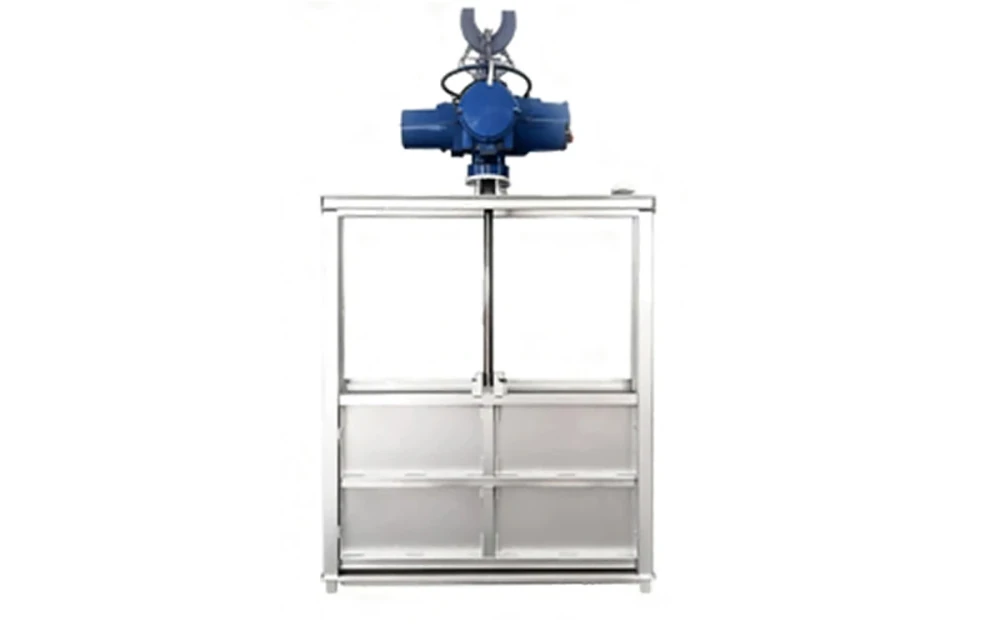
Modular Design for Flexible Installation and Reuse
The stop log gate adopts a modular stacked structure, where individual log sections can be installed, removed, and adjusted according to the required water blocking height.
This design simplifies transportation and on-site installation while allowing the gate to be stored and reused for future maintenance operations. When replacement is required, individual log sections or sealing components can be maintained separately without replacing the complete system.
Adaptive Sealing Structure for Reliable Water Blocking
Reliable sealing is critical for temporary water isolation, especially during maintenance and repair operations.
This stop log gate uses an integrated sealing structure with sealing components installed at the bottom and sides of each stacked log section. The inclined contact design between adjacent sections improves sealing contact, while the replaceable sealing strip structure allows easier maintenance.
According to the technical specifications, the sealing system provides a 3–12 mm seal compression range and can accommodate installation deviations of up to ±12 mm, helping maintain stable sealing performance under different installation conditions.
Material Options for Different Operating Environments
Different water control projects may involve freshwater, seawater, wastewater, or other challenging environments. Material selection is therefore important for corrosion resistance and service life.
Kairun’s stop log gate can be manufactured using aluminum alloy, stainless steel, or coated carbon steel according to project requirements. For example, stainless steel options are suitable for environments with higher corrosion risks, while aluminum alloy provides a lightweight solution for applications where easier handling is required.
Designed for Easier Maintenance and Lower Operating Burden
The modular structure of our stop log gate helps simplify maintenance during long-term use.
The replaceable sealing components reduce the need for complete system replacement when wear occurs. Combined with corrosion-resistant material options and adjustable stacked sections, the design helps improve maintenance efficiency for projects requiring repeated temporary water isolation.
Application Example: Stop Log Gate for Wastewater Facility Maintenance
A municipal wastewater treatment plant applied Kairun’s stop log gate solution for annual maintenance of a 6m-deep sedimentation tank.
Previously, temporary brick barriers required approximately 7 days for construction and 3 days for removal. After adopting the modular stop log gate solution, two workers completed installation in around 4 hours and removal in around 2 hours, significantly reducing preparation time for maintenance operations.
Frequently Asked Questions
Q1: Can a stop log gate provide bidirectional water blocking?
A: The standard stop log gate is designed for one-way water blocking. If bidirectional water pressure resistance is required, a customized sealing structure with double-side sealing components can be provided according to the design water head on both sides.
Q2: What is the maximum water head a stop log gate can handle?
A: The applicable water head of a stop log gate depends on the structural design, log thickness, reinforcement requirements, and operating conditions. For higher water head applications, the gate structure can be customized with reinforced log sections and additional strengthening components to meet specific project requirements.
Q3: How should the material of a stop log gate be selected for seawater applications?
A: Material selection depends on the water environment and corrosion conditions. For freshwater applications, coated carbon steel can be considered. For seawater or saline wastewater environments, stainless steel such as 316L is recommended for improved corrosion resistance and long-term durability.
Conclusion
Selecting the right stop log gate requires a comprehensive evaluation of the specific project conditions rather than relying on standard configurations alone. Factors such as the operating environment, installation requirements, and water control objectives should be considered together to ensure reliable performance.
For projects that require temporary water isolation, maintenance access, or emergency water blocking, choosing a suitable stop log gate design is essential. The right combination of structure, materials, and sealing performance helps improve sealing reliability, reduce maintenance challenges, and support long-term operation. In applications such as water conservancy, wastewater treatment, and municipal drainage systems, properly selected stop logs for water control can provide a flexible and reusable solution.
For special project requirements, working with an experienced manufacturer can help ensure the stop log gate is designed according to actual site conditions. If you need professional guidance or a customized solution, please contact our team for assistance with your water control project.