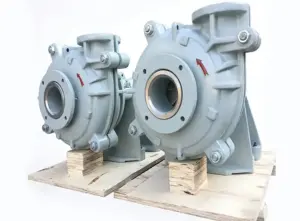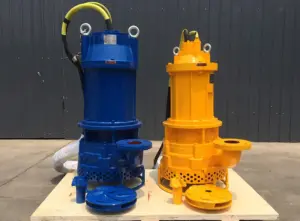
What Is a Submersible Sewage Pump?
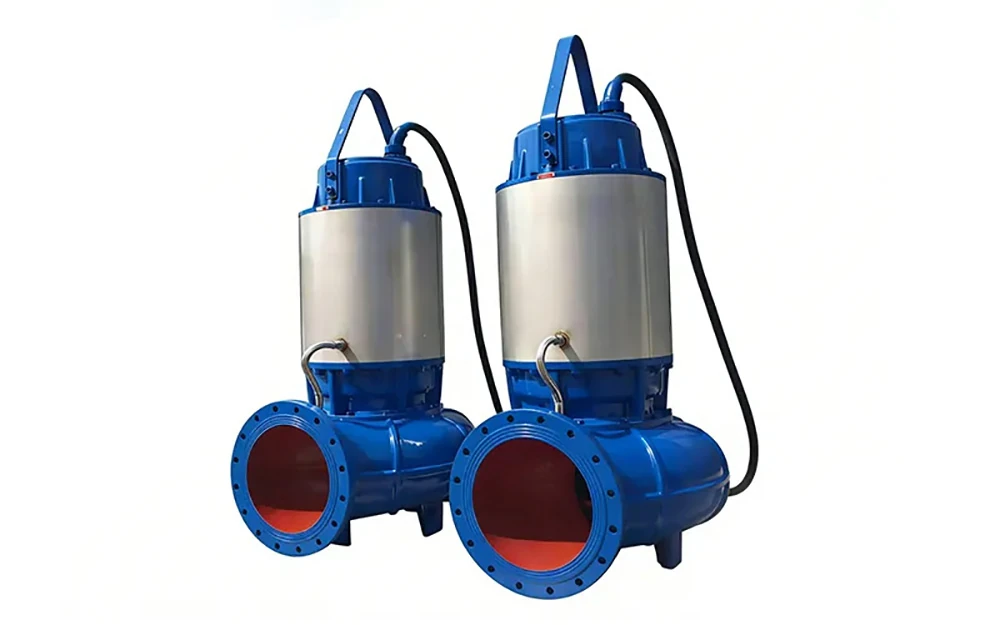
A submersible sewage pump is a fully integrated unit where the pump and motor are housed together in a single, watertight casing, designed to operate while fully submerged in the liquid being pumped. Unlike traditional horizontal or vertical dry-pit pumps, submersible pumps offer a compact footprint and significant space savings – they are installed directly in the wet well, eliminating the need for a separate pump room and reducing civil construction costs.
In essence, the core value of a submersible sewage pump lies in its ability to work “pump and motor, together, underwater”. This seemingly simple design solves many of the common problems associated with conventional pumping systems for wastewater handling.
How Does a Submersible Sewage Pump Work?
Submersible sewage pumps operate on the centrifugal pumping principle. The motor drives the impeller at high speed, generating centrifugal force that flings the liquid from the impeller eye outward, increasing its pressure and discharging it through the outlet. The pump and motor share a common shaft, and a robust sealing system prevents the pumped liquid from entering the motor cavity, ensuring safe and reliable operation.
Given the challenging nature of wastewater – which often contains solids, fibers, and abrasive particles – modern submersible sewage pumps incorporate several key design enhancements:
- Clog-resistant hydraulics: specially designed impellers and volute passages allow the pump to handle solids and fibrous materials efficiently without frequent blockages.
- Cutter/grinder mechanism: many models include a cutting or tearing device at the inlet that chops long fibers and larger debris into smaller pieces, reducing the risk of clogging and often eliminating the need for upstream screens.
- Self-agitating design: some pumps feature a bottom stirring device that uses the discharge flow to resuspend settled sludge and solids from the bottom of the sump, ensuring that accumulated deposits are effectively pumped out.
These engineering features make submersible sewage pumps exceptionally reliable when dealing with “dirty, sticky, and slippery” fluids.
Key Application Areas
Submersible sewage pumps are incredibly versatile and are found in virtually every sector where wastewater, stormwater, or effluent needs to be moved:
Municipal Drainage and Flood Control
In urban stormwater pumping stations, underground passages, and underpass drainage points, these pumps play a critical role in emergency flood response. Their ability to operate fully submerged allows for rapid deployment and high-capacity pumping during heavy rainfall. Many cities have upgraded their drainage systems with advanced submersible pumps to enhance flood resilience.
Municipal Wastewater Treatment
Wastewater treatment plants and municipal sewage lift stations are among the most common applications. In a complete wastewater treatment system, bar screens for wastewater are often installed before pumping equipment to remove large solids and debris. Submersible pumps then reliably transfer raw sewage from lower to higher elevations, handling the remaining solids without frequent maintenance interruptions.
Construction and Building Drainage
Basements, underground garages, tunnels, and other below-grade spaces are prone to water ingress. Submersible pumps provide a dependable solution for dewatering. Portable small-diameter units can be moved easily for temporary duties, such as draining maintenance pits, pipelines, or channels.
Industrial Process and Effluent Handling
From manufacturing wastewater, food processing plants, and textile mills, to mining dewatering, metallurgical cooling water, and chemical/pharmaceutical waste-submersible pumps are indispensable across industries. Corrosion-resistant materials are available for aggressive media.
Agricultural Irrigation and Drainage
High-grade weather-resistant materials extend service life and reduce operational costs in agricultural applications, making submersible pumps a cost-effective choice for both irrigation and field drainage.
How to Select the Right Submersible Sewage Pump
Choosing the wrong pump not only wastes energy and raises operating costs, but can also force the motor to run continuously at overload, dramatically shortening its life. Follow these steps to make an informed selection:
Step 1: Define the Operating Conditions
Start by answering these questions:
- Where will it be used? Municipal, construction, industrial, or agricultural site?
- What is the pumped medium? Clean stormwater, raw sewage with fecal matter, industrial effluent, or corrosive chemicals?
- What solids content is expected? Size and type of solids (fibrous, abrasive, etc.)?
Step 2: Determine Key Hydraulic Parameters
- Flow rate (Q): calculate based on peak drainage demand (L/s) or, if flow regulation is available, on average hourly flow (m³/h).
- Total dynamic head (TDH): sum the vertical lift and all friction losses in the discharge piping.
- Motor power: higher flow and head require larger power ratings – ensure the selected motor can handle the duty point without overloading.
Step 3: Assess Reliability and Protection Features
Look for the following specifications:
- Mean time between failures (MTBF)
- Mechanical seal life expectancy
- Bearing rated life (L10)
- Motor insulation class and design life
- Allowable starts per hour
For pumps above 11 kW, we strongly recommend models equipped with:
- Motor winding overtemperature sensors
- Float switches or level sensors
- Leakage detectors (moisture probes in the seal chamber)
These features enable automatic shutdown or alarm in case of abnormal conditions, preventing catastrophic failure.
Step 4: Verify Quality Standards
Always choose pumps manufactured in accordance with ISO 9906 (or equivalent national standards) and tested by accredited laboratories. Look for international certifications such as CE, ISO 9001, and other recognised marks that guarantee quality and performance.
Maintenance and Troubleshooting
Routine Maintenance
Pre-start checks
Ensure the impeller rotates freely, check oil level in the seal chamber, and verify the rotation direction during the first start-up.
Cable inspection
Examine the power cable for cuts, kinks, or damaged insulation. Confirm that the cable entry into the terminal box is properly sealed.
Long-term storage
If the pump will be idle for extended periods, clean it thoroughly, lift it out of the water, and store it in a dry, ventilated area (protect from freezing). If left submerged, run it for at least 30 minutes every 15 days (never dry-run) to keep seals and bearings lubricated.
Oil change
The mechanical seal chamber oil should be checked annually and replaced if contamination or moisture is detected.
Common Faults and Quick Fixes
| Symptom | Possible Cause | Recommended Action |
| Pump fails to deliver water | Air lock or clogged suction | Vent the pump; inspect inlet screen and piping |
| Low flow or no discharge | Clogged strainer, worn impeller | Clean strainer, inspect/ replace impeller |
| Excessive noise or vibration | Damaged wear parts, loose bolts | Pull the pump for inspection |
| Reduced impeller speed | Incorrect electrical connection | Check wiring and supply voltage |
Important: Even when not running, a pump with compromised seals will gradually lose insulation resistance when left submerged, eventually becoming unusable. Therefore, spare pumps should also be regularly maintained – run them periodically to keep seals wetted and prevent shaft seizure.
Technology Trends in Submersible Pumps
The industry is moving from “just functional” to “highly efficient” and ultimately “smart”.
Energy Efficiency
Modern energy-saving technologies focus on hydraulic optimization, high-efficiency motors, and intelligent control. Innovations like cutter-type impellers have boosted overall pump efficiency by up to 8% over conventional designs, meeting or exceeding the latest IE motor standards.
Intelligent Monitoring and Control
Submersible pumps are evolving from simple on/off automation to fully integrated smart systems that offer remote monitoring, unattended operation, and multi-layer protection (overload, overheat, dry-run, phase failure). Advanced algorithms, including PID control and neural networks, now achieve fault diagnosis accuracy exceeding 90%, enabling predictive maintenance and reducing downtime.
Enhanced Reliability
End-users are demanding longer and more predictable service life. Stricter environmental regulations, deteriorating influent quality, and the push for energy savings are driving manufacturers to invest in clog-free hydraulic designs, corrosion-resistant alloys, and smart electronics that adapt to changing conditions.
Conclusion
Submersible sewage pumps are the workhorses of fluid handling, and their importance continues to grow with rapid urbanisation and tighter environmental standards. Understanding every aspect – from proper selection to diligent maintenance, from traditional operation to intelligent upgrades – ensures that these pumps deliver maximum efficiency, reliability, and longevity in the toughest applications.
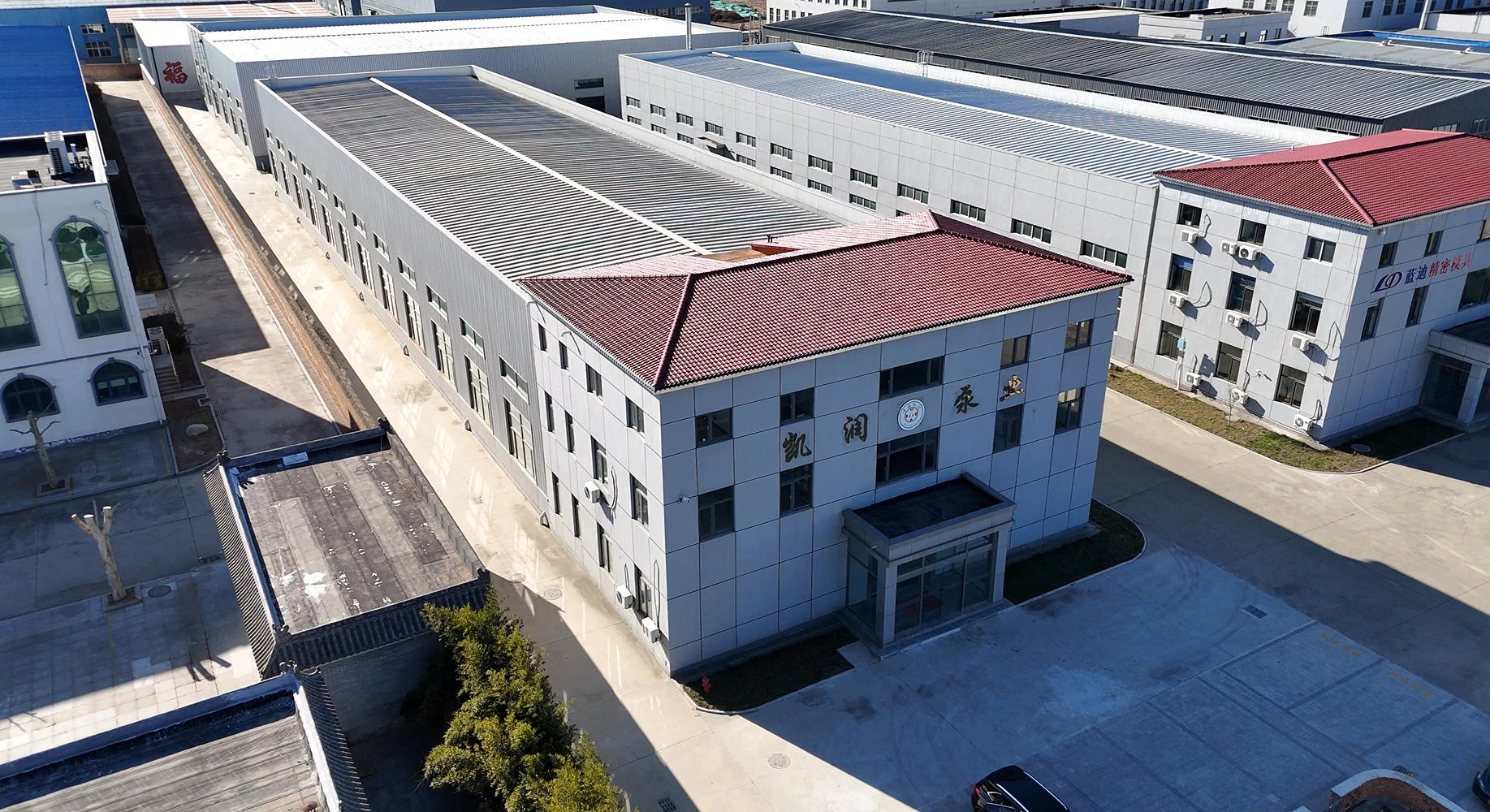
Kairun Pump (KR Pumps) was founded in 2005 and operates a modern manufacturing facility of over 9,000 m² with a dedicated team of more than 200 professionals. Our products are exported to over 100 countries worldwide. We specialise in the R&D and production of submersible sewage pumps, wastewater treatment equipment, and industrial pumping solutions. With CE, ISO 9001, and other international certifications, we are committed to providing reliable fluid handling solutions for global customers.Visit us at https://krpumps.com/ to learn more.