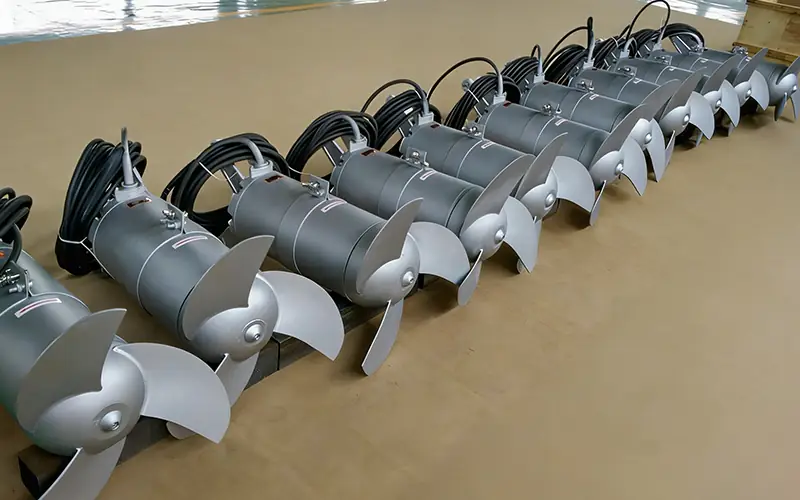
Submersible Mixer
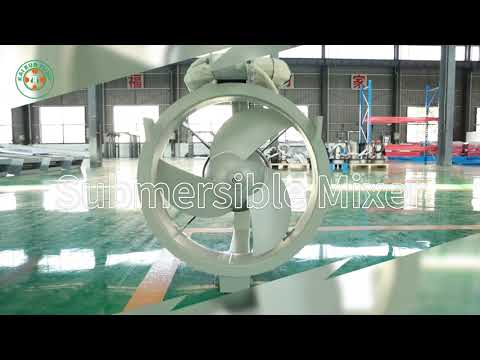
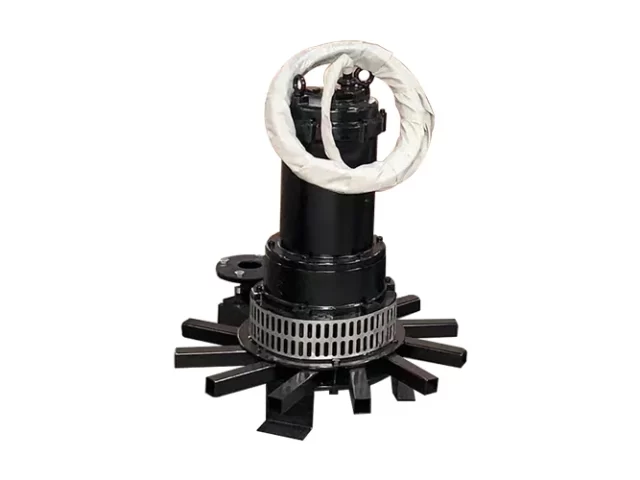
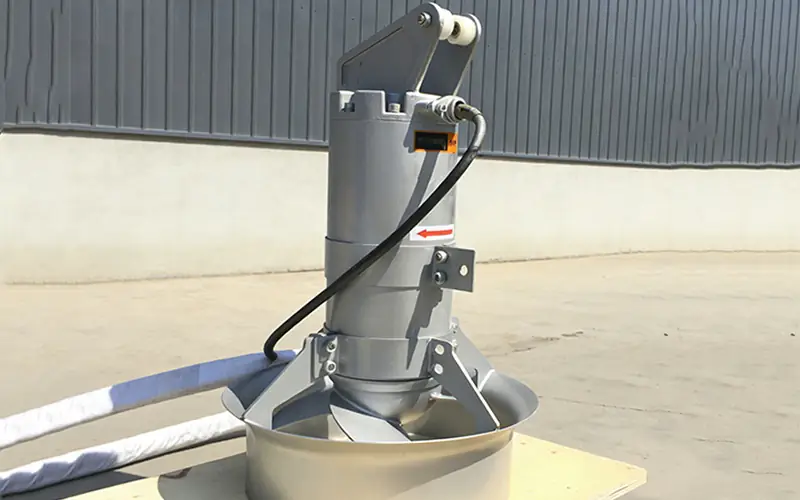
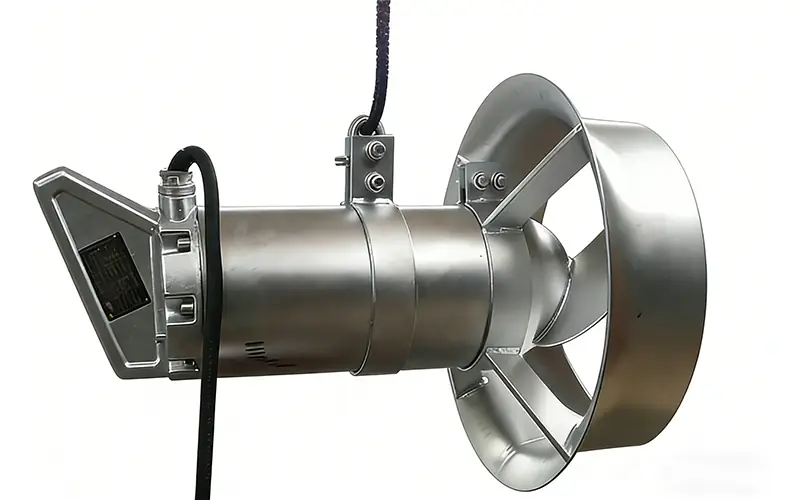
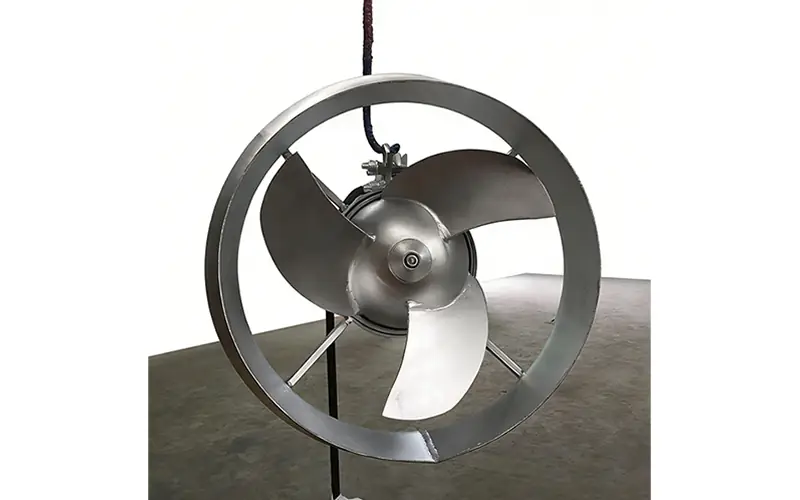
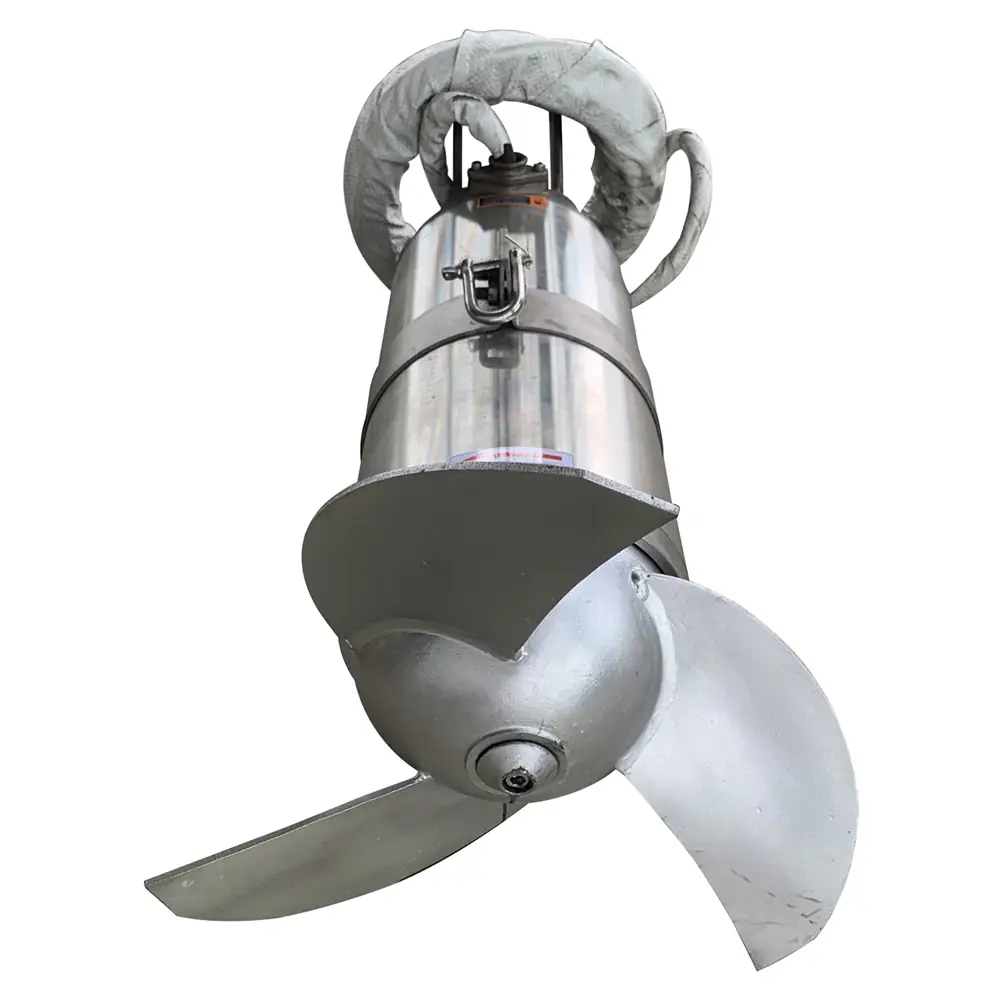
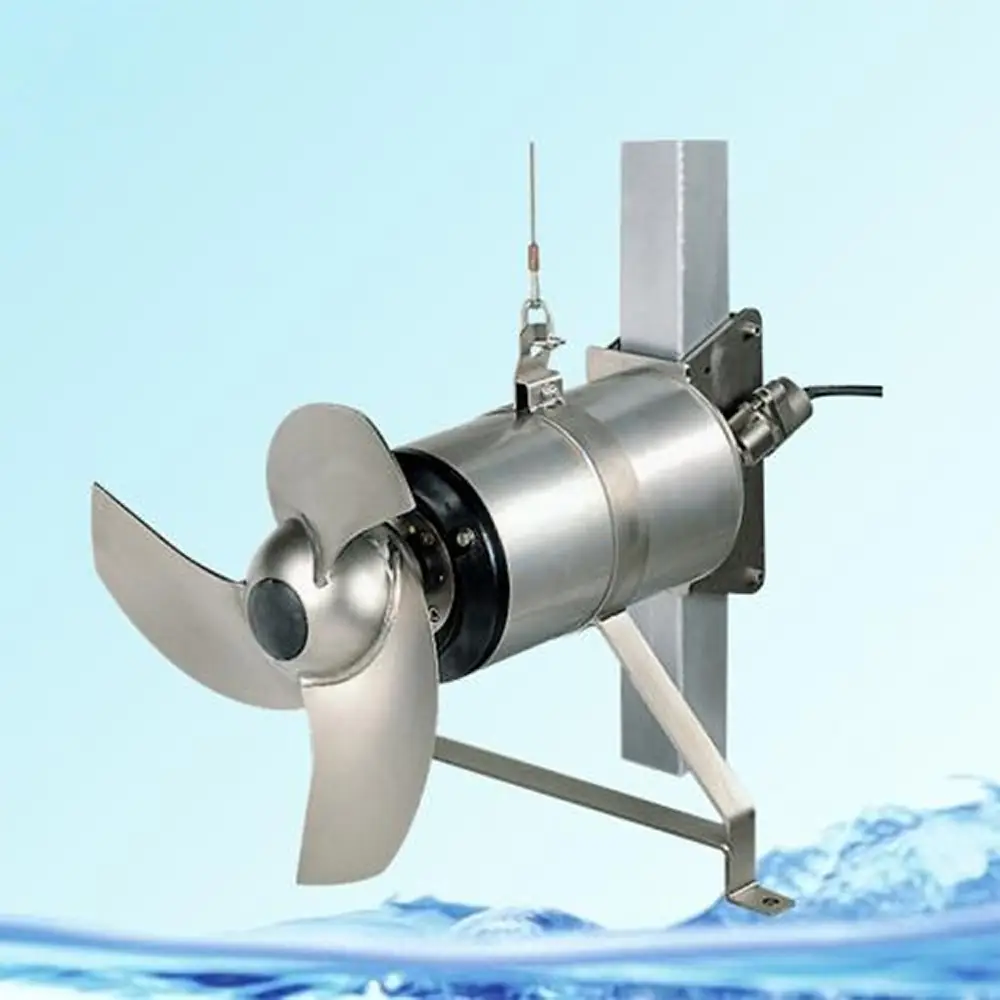
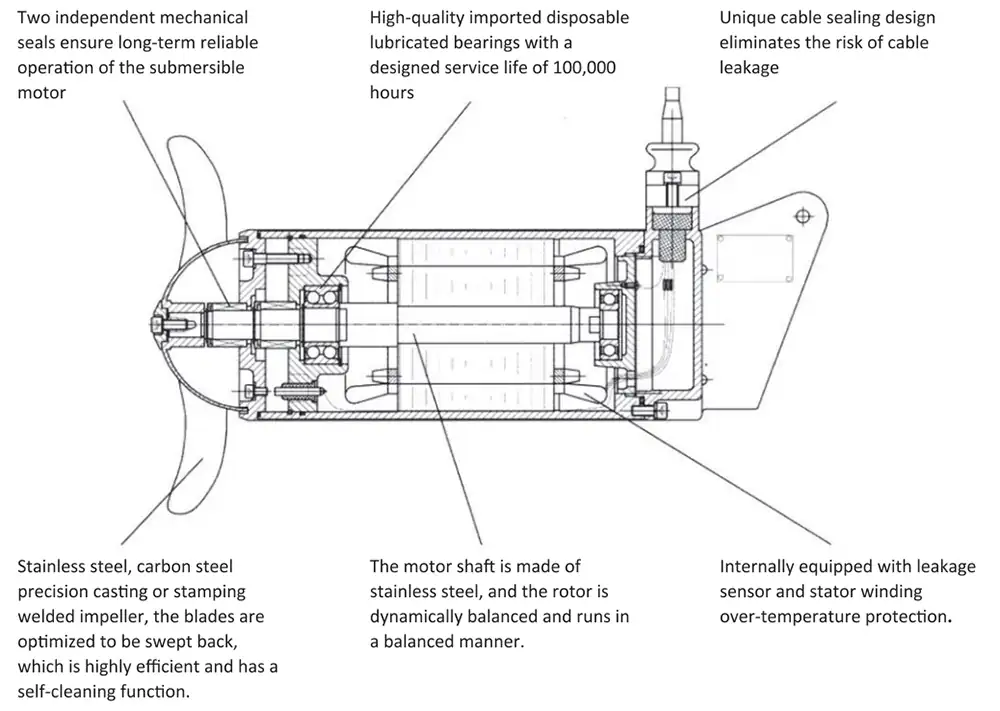
A submersible mixer is a piece of equipment that uses a high-speed rotating underwater impeller to generate powerful flow and mixing. It is primarily used in fields like wastewater treatment to prevent sedimentation and mix liquids.
Submersible Mixer
A submersible mixer is a piece of equipment that uses a high-speed rotating underwater impeller to generate powerful flow and mixing. It is primarily used in fields like wastewater treatment to prevent sedimentation and mix liquids.
Technical parameters
1.Models of Cast Submersible Mixers
| Model | Rated power(KW) | Rated current(A) | Impeller Diameter(mm) | Speed(r/min) | Weight(kg) | Water pushing(N) |
| QJB0.85/8-260/3-740/C/S | 0.85 | 3.2 | 260 | 740 | 55 | 180 |
| QJB1.5/6-260/3-980/C/S | 1.5 | 4 | 260 | 980 | 55 | 260 |
| QJB2.2/8-320/3-740/C/S | 2.2 | 5.9 | 320 | 740 | 110 | 580 |
| QJB4/6-320/3-980/C/S | 4 | 10.3 | 320 | 980 | 115 | 690 |
2.Models of Stamped Submersible Mixers
| Model | Rated power(KW) | Rated current(A) | Impeller Diameter(mm) | Speed(r/min) | Weight(kg) | Water pushing(N) |
| QJB0.37/6-220/3-980/S | 0.37 | 1.5 | 220 | 980 | 40 | 138 |
| QJB0.55/4-220/3-1450/S | 0.55 | 1.6 | 220 | 1450 | 40 | 145 |
| QJB0.85/8-260/3-740/S | 0.85 | 3.2 | 260 | 740 | 55 | 180 |
| QJB1.5/6-260/3-980/S | 1.5 | 4 | 260 | 980 | 55 | 260 |
| QJB1.5/8-400/3-740/S | 1.5 | 5.2 | 400 | 740 | 100 | 600 |
| QJB2.5/8-400/3-740/S | 2.5 | 7 | 400 | 740 | 100 | 800 |
| QJB3/8-400/3-740/S | 3 | 8.6 | 400 | 740 | 100 | 900 |
| QJB4/6-400/3-980/S | 4 | 10.3 | 400 | 980 | 100 | 1100 |
| QJB4/12-620/3-480/S | 4 | 14 | 620 | 480 | 184 | 1200 |
| QJB5/12-620/3-480/S | 5 | 18.2 | 620 | 480 | 184 | 1500 |
| QJB7.5/12-620/3-480/S | 7.5 | 28 | 620 | 480 | 229 | 1900 |
| QJB10/12-620/3-480/S | 10 | 32 | 620 | 480 | 229 | 2200 |
| QJB11/12-620/3-480/S | 11 | 34 | 620 | 480 | 229 | 2450 |
| QJB15/12-620/3-480/S | 15 | 42 | 620 | 480 | 250 | 3300 |
| QJB18.5/12-620/3-480/S | 18.5 | 55 | 620 | 480 | 270 | 3500 |
| QJB22/12-620/3-480/S | 22 | 65 | 620 | 480 | 290 | 3900 |
Conditions of use
Flow field diagram
This flow field diagram shows the boundary water velocity V=0.1m/s in clear water.
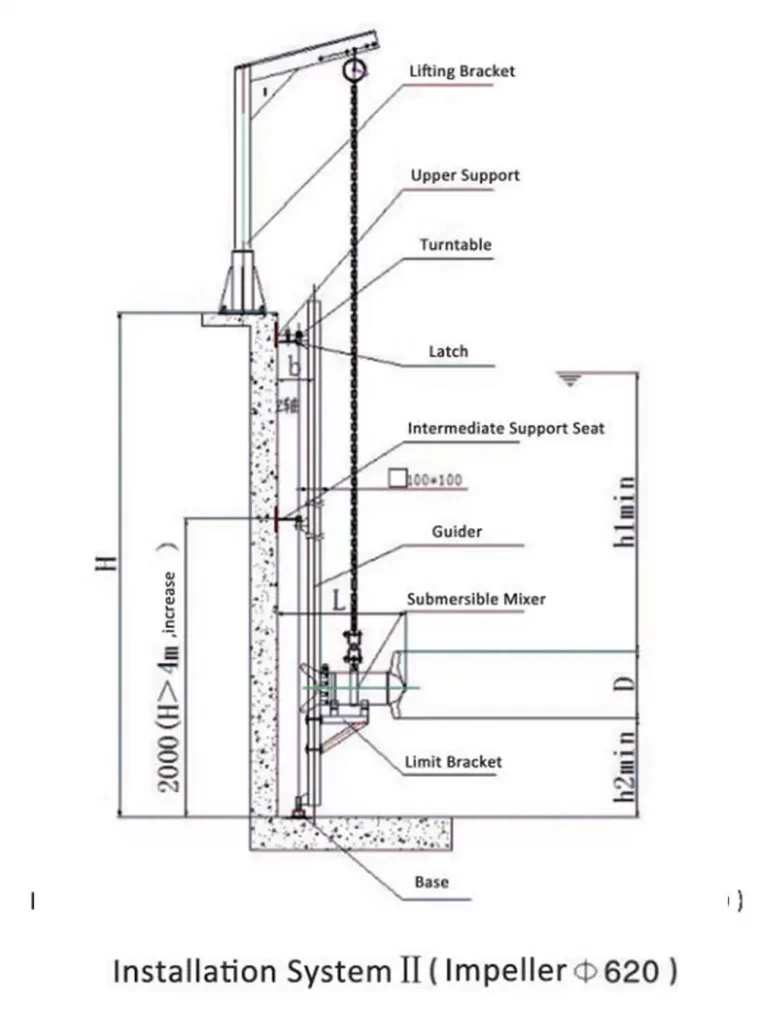
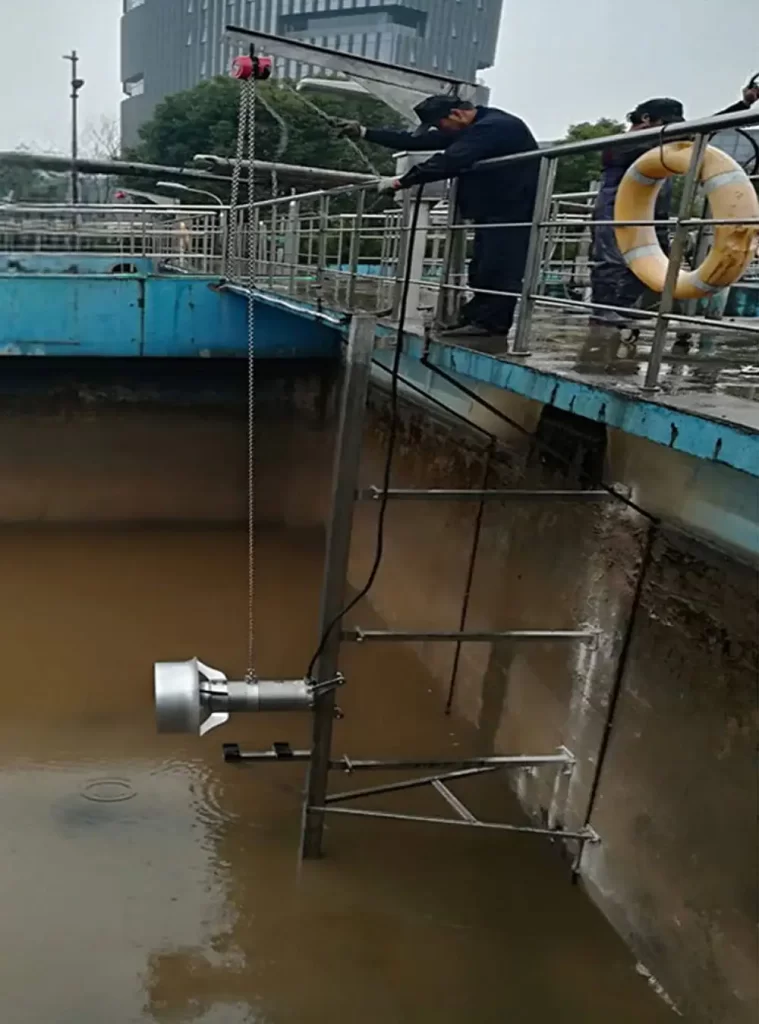
Installation method
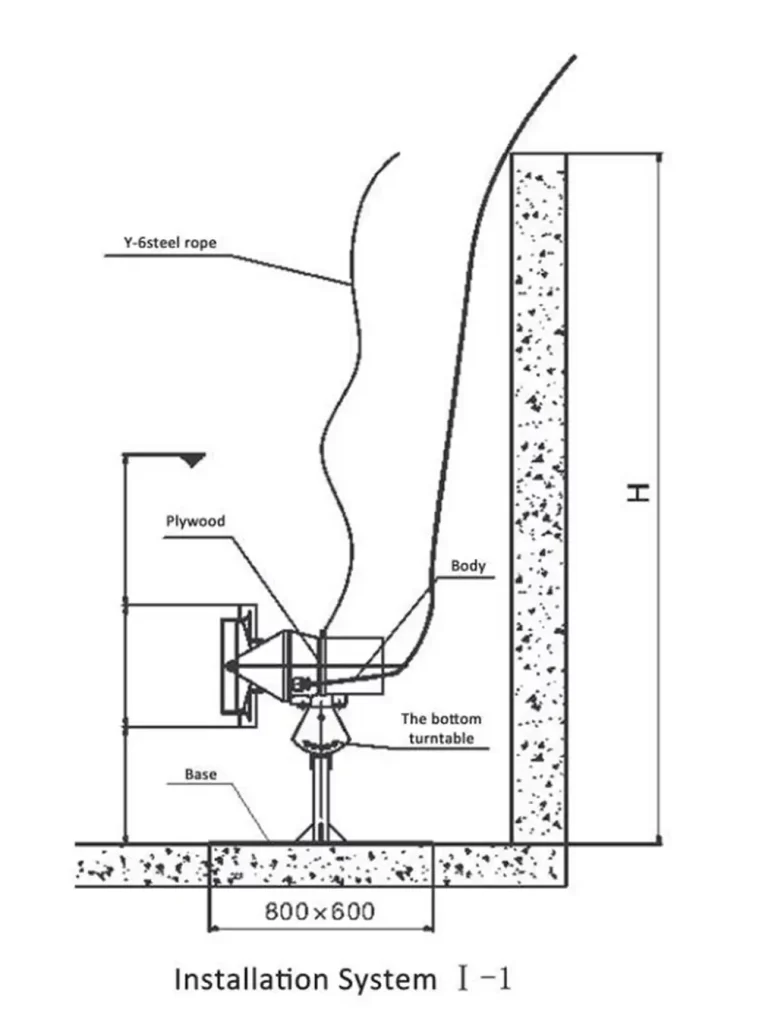
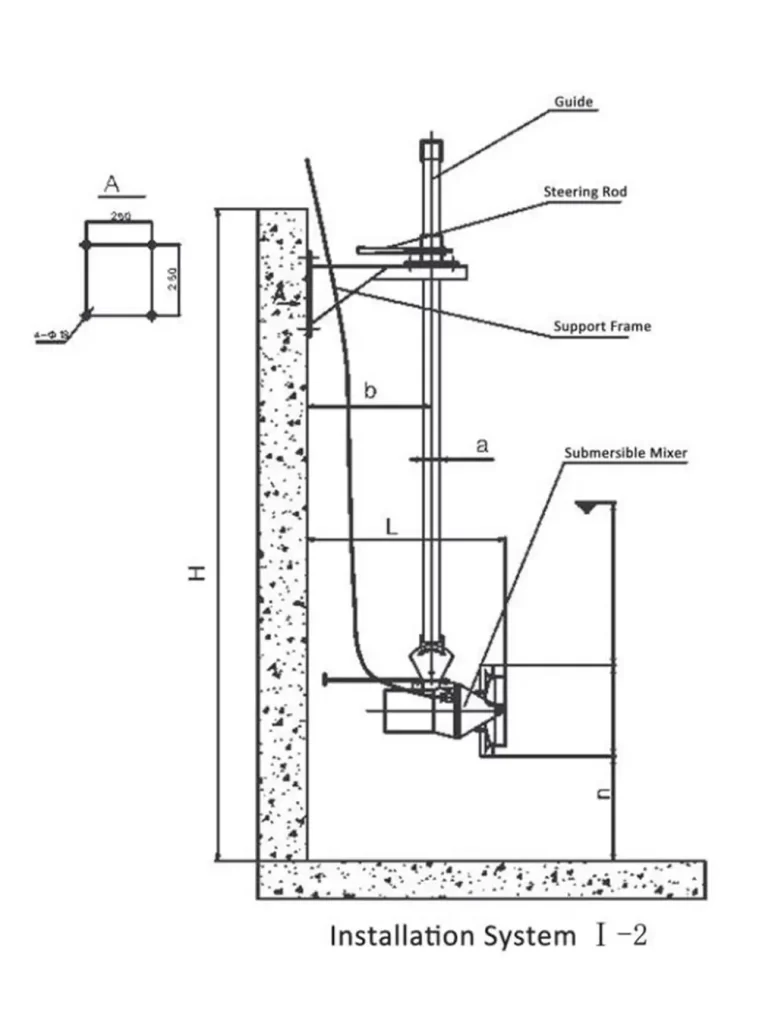
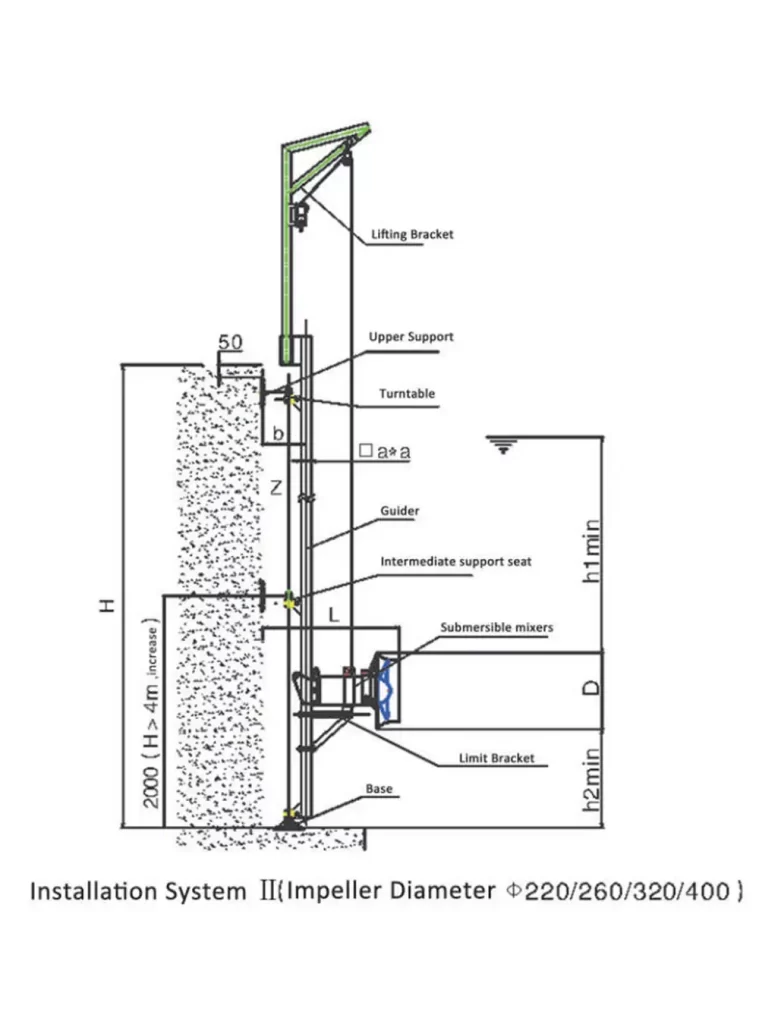
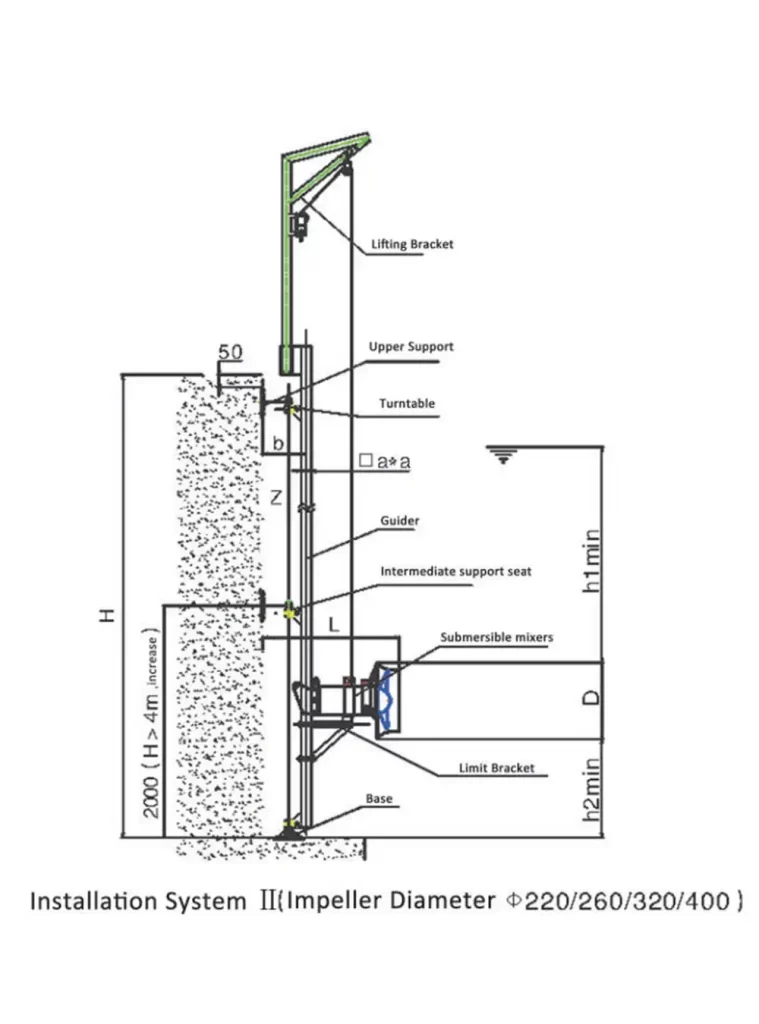
Application scenarios
1.Wastewater Treatment Plants (Municipal Sewage):
2.Industrial Wastewater Treatment:
3.Other Water Treatment Applications:
Operation Mode:
The installation and positioning of the submersible mixer has a great influence on its mixing effect. inorder to achieve the expected operating effect, we recommend that users follow the requirements ofprofessional designers, fully consider the shape of the pool, the location of the water inlet and outletand the vortex caused by the water flow of the mixer reflected to the structure, and try to reduce theshort-circuit cvcle and dead corners, and avoid direct collision with the pool wall to reduce the fowrate. Refer to the following operating mode diagram to help you choose the mixer and installationform reasonably.
Video