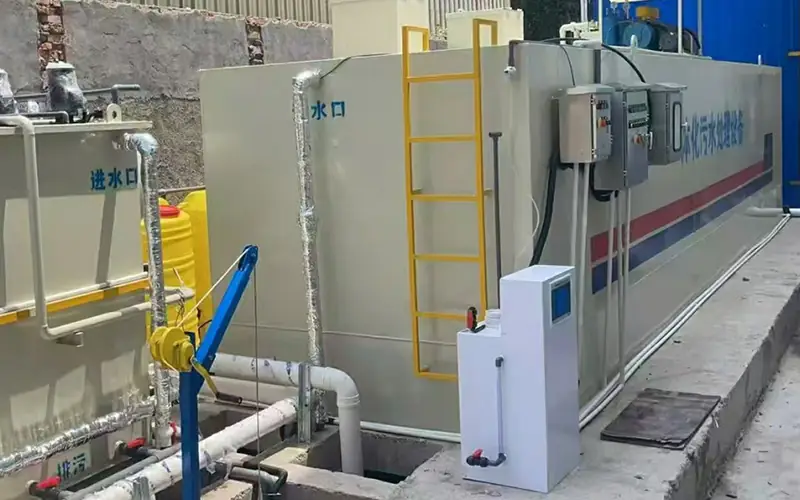
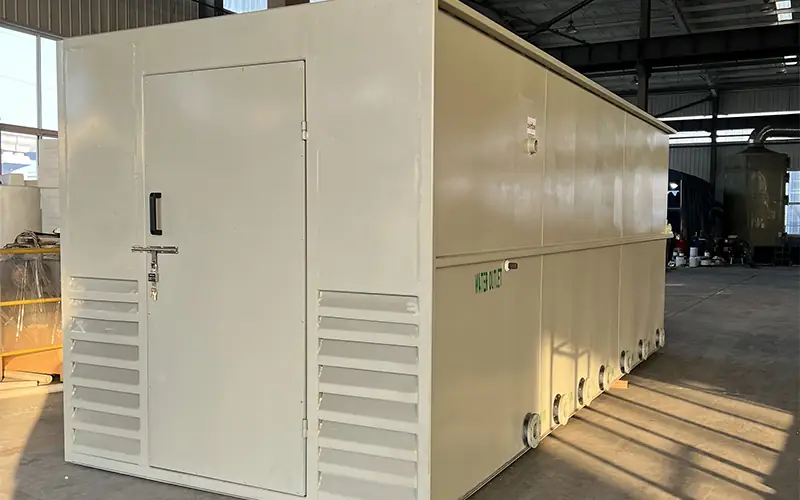
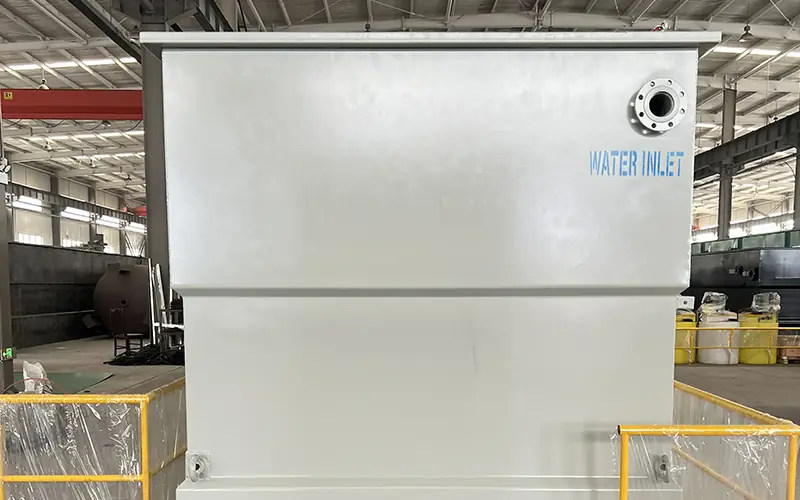
Wastewater treatment plant
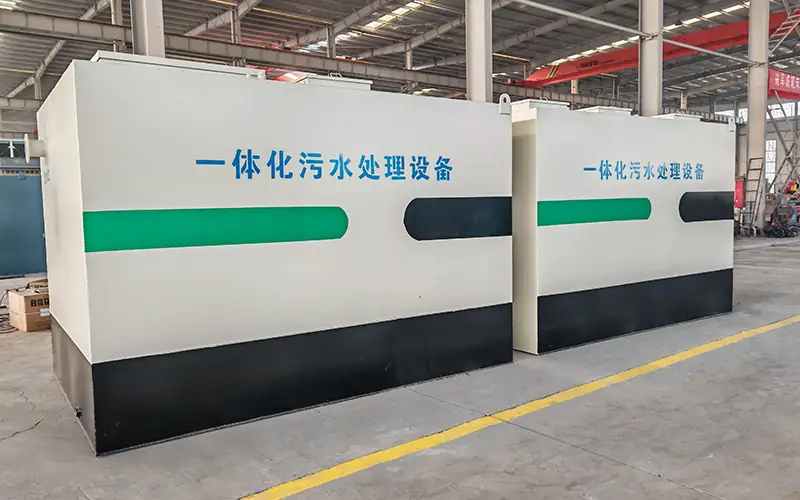
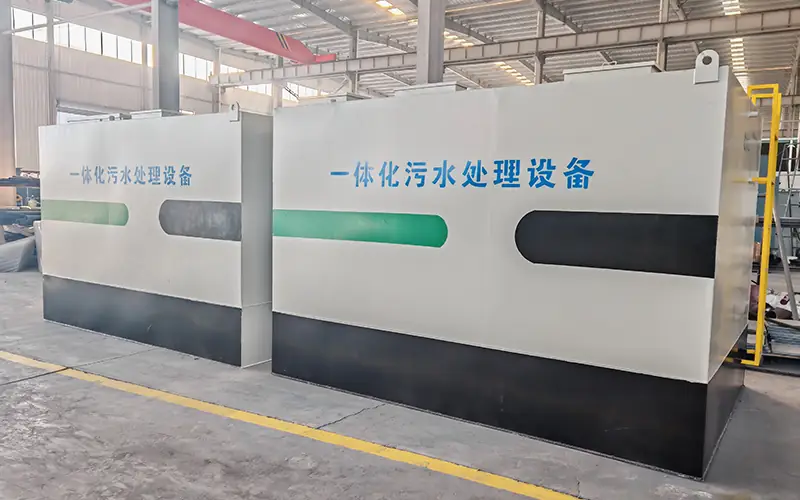
This integrated wastewater treatment plant is a high-efficiency, fully automated sewage purification system engineered for both domestic and industrial applications. By integrating pretreatment, biological degradation, solid-liquid separation, disinfection and optional advanced treatment into a compact, modular design. It achieves stable, compliant effluent while minimizing space usage and operational complexity.
Product Working Principle
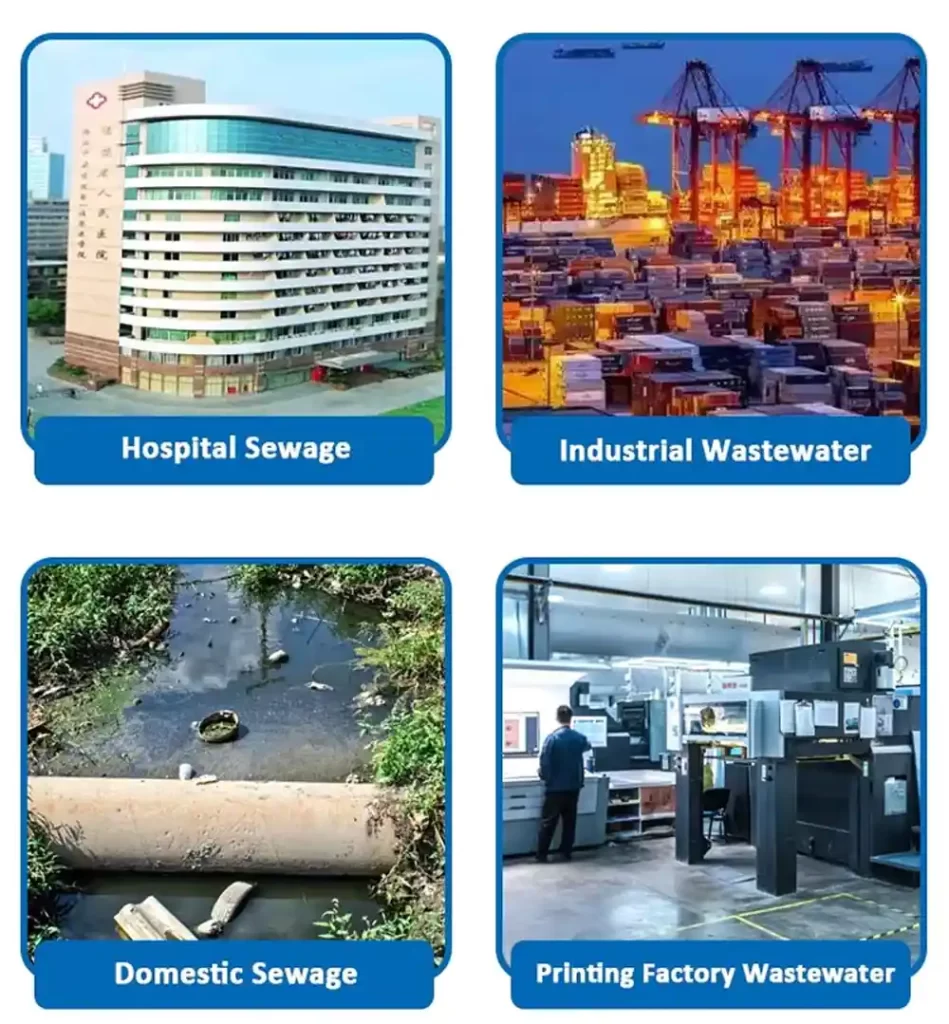
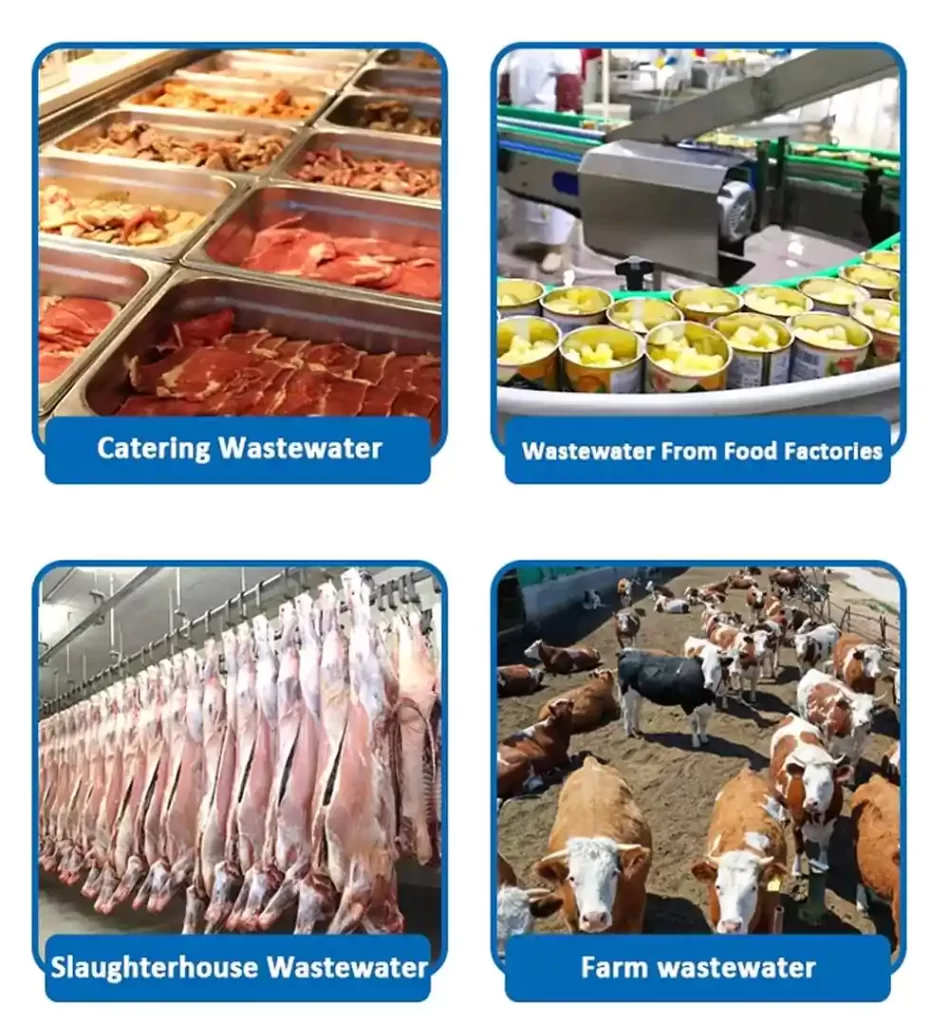
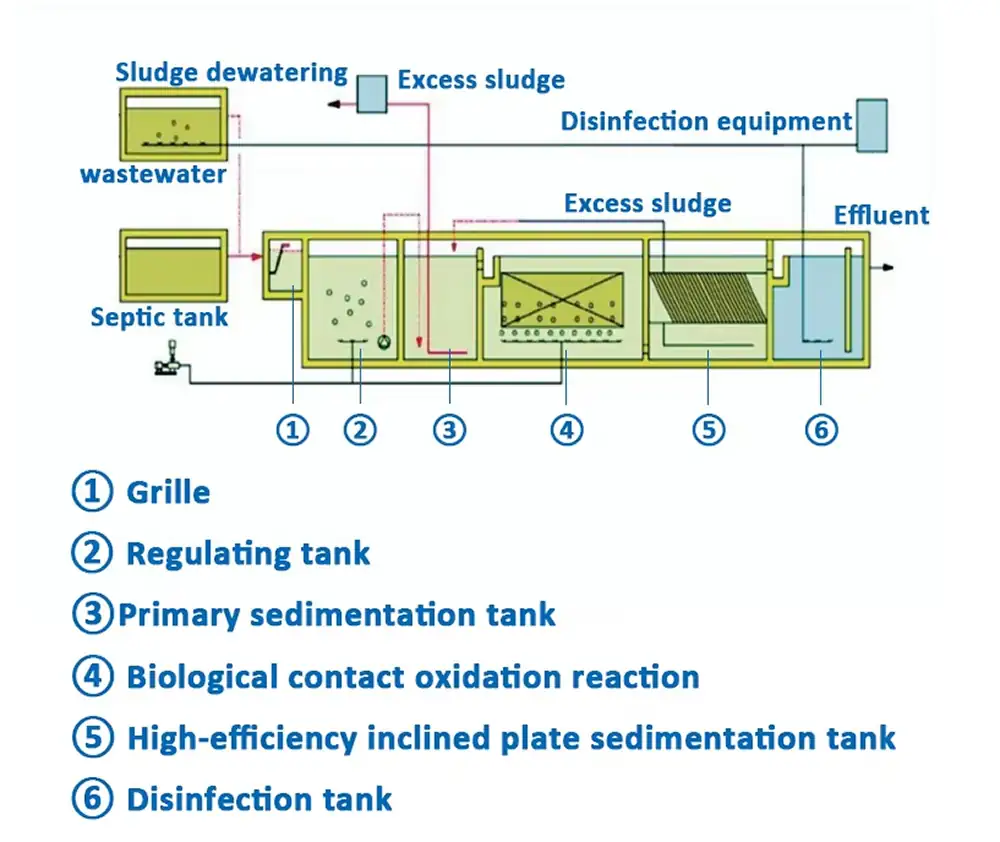
This integrated wastewater treatment plant is a high-efficiency, fully automated sewage purification system engineered for both domestic and industrial applications. By integrating pretreatment, biological degradation, solid-liquid separation, disinfection and optional advanced treatment into a compact, modular design. It achieves stable, compliant effluent while minimizing space usage and operational complexity. Suitable for treating all types of wastewater, from low-pollution domestic sewage to high-concentration industrial wastewater. It is a reliable and cost-effective water management solution suitable for urban, rural, industrial, and emergency environments,even in land-constrained settings.
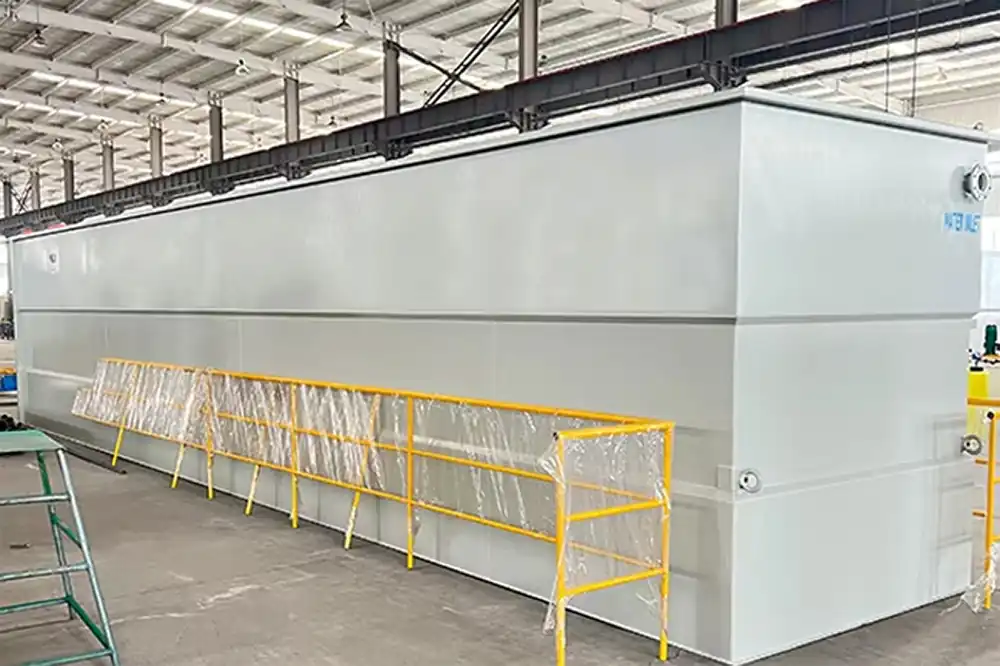
The wastewater treatment plant employs a sophisticated multi-stage purification process, combining physical filtration, biodegradation and chemical disinfection to remove pollutants.
Pretreatment (Grilles & Lift Pump)
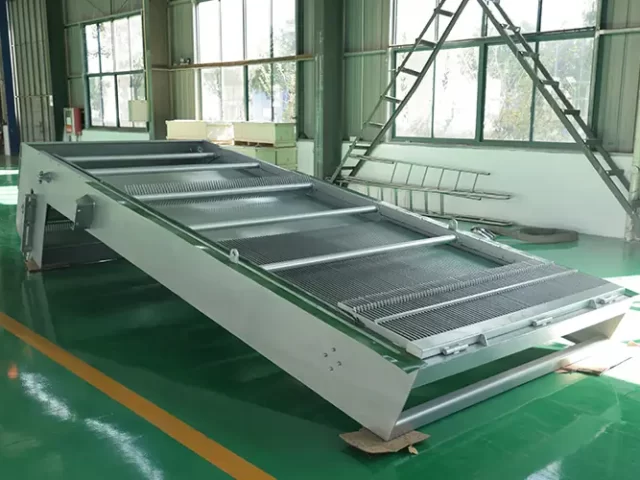
Raw sewage first flows through a coarse grille (10–20mm aperture) to trap large debris such as plastics and branches. It then collects in a sump, where a lift pump raises the water level to feed the next treatment stages. A fine grille (5mm aperture) filters out smaller solids to prevent clogs in downstream equipment. An aerated grit chamber uses aeration to separate sand and gravel from the sewage, ensuring these inorganic particles don’t disrupt subsequent biological treatment.
Biological Treatment (Anaerobic + Anoxic + Aerobic + Post-Anoxic + Membrane Tank)
Anaerobic Tank: Sewage undergoes anaerobic breakdown here—microorganisms break down complex organic matter into simpler compounds, while also releasing phosphorus from their cells (supporting enhanced biological phosphorus removal).
Pre-Anoxic Tank: In an oxygen-free environment, denitrifying bacteria convert nitrate nitrogen into nitrogen gas, achieving initial nitrogen removal.
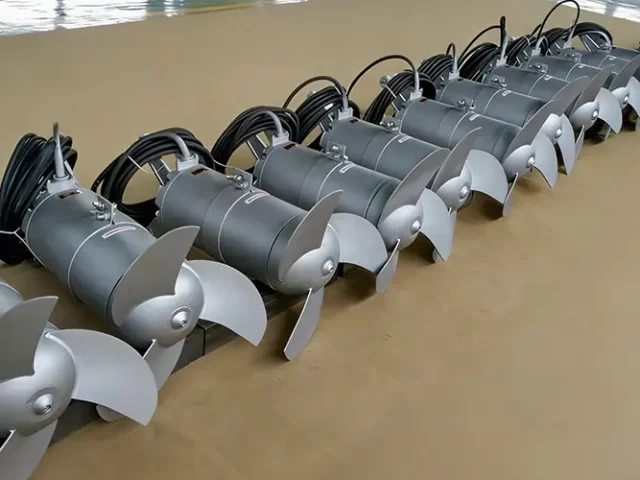
Aerobic Tank: Fitted with aeration systems and biofilm carriers, this tank fosters aerobic microorganisms that decompose organic matter (BOD, COD) and convert ammonia nitrogen into nitrate nitrogen via nitrification. A blower room supplies air to keep dissolved oxygen (DO) levels at 2–4 mg/L, sustaining microbial activity.
Post-Anoxic Tank: Further denitrification takes place here to lower nitrate nitrogen levels, boosting overall total nitrogen removal efficiency.
Membrane Tank (MBR): Ultrafiltration or microfiltration membranes (0.01–0.1 μm pore size) replace traditional sedimentation. These membranes trap microorganisms and suspended solids, producing effluent with SS < 5 mg/L and COD < 30 mg/L—suitable for direct reuse.
Disinfection (Ozone Contact Tank)
The treated water enters an ozone contact tank for disinfection. Ozone (O₃) effectively eliminates pathogens like bacteria and viruses, with a contact time of 15–30 minutes, ensuring the effluent meets sanitary standards for either discharge or reuse.
Sludge Treatment
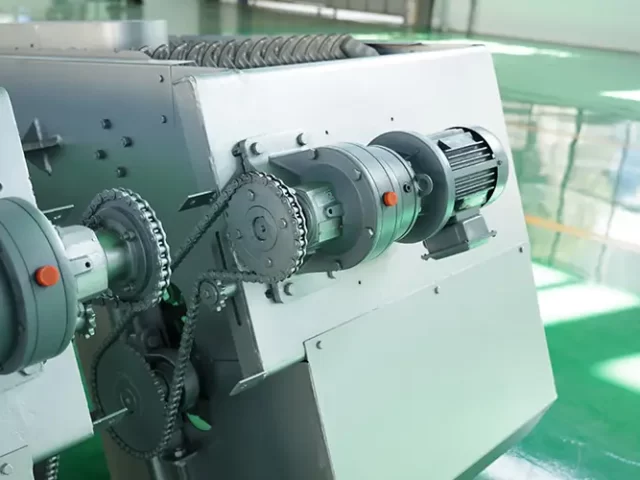
Sludge from the biological tanks and membrane tank is collected in a sludge storage tank. It is then sent to a sludge dewatering room (equipped with devices like screw presses) to reduce moisture content to 80–85%. The dewatered sludge is transported off-site for harmless disposal or resource recycling.
Technical Parameters & Specifications
| Category | Specifications |
| Treatment Capacity | Domestic sewage: 10–500 m³/d (standard models); Industrial sewage: Customizable up to 5,000 m³/d based on pollutant concentration (e.g., high-COD industrial wastewater: 50–1,000 m³/d) |
| Peak Flow Handling | 1.2–1.5 times the design flow |
| Pollutant Removal Efficiency | COD ≥ 90% (influent ≤ 500 mg/L → effluent ≤ 50 mg/L)BOD₅ ≥ 95% (influent ≤ 300 mg/L → effluent ≤ 10 mg/L)SS ≥ 98% (influent ≤ 200 mg/L → effluent ≤ 5 mg/L)NH₃-N ≥ 85% (influent ≤ 50 mg/L → effluent ≤ 5 mg/L)Total Phosphorus (TP) ≥ 80% (influent ≤ 5 mg/L → effluent ≤ 0.5 mg/L, with enhanced phosphorus removal module) |
| Operating Conditions | pH range: 6.5–8.5 (adaptable to 5.5–9.5 with pH adjustment module); Temperature: 10–35℃ (stable operation at 5–40℃ with heating/cooling accessories) |
| Operating Power | 1.5kW (10 m³/d) – 7.5kW (500 m³/d) |
| 0.3–0.8 kWh/m³ treated water |
| Model | Processing Capacity(m³/h) | Blower Model | Blower Power (kW) | Water Pump Model | Water Pump Power (kW) |
| WSZ-0.3 | 0.3 | YC-251S | 0.75 | AS10-2CB | 0.75 |
| WSZ-0.5 | 0.5 | YC-251S | 0.75 | AS10-2CB | 1.1 |
| WSZ-1 | 1 | YC-30S | 0.75 | AS10-2CB | 1.1 |
| WSZ-3 | 3 | YC-20S | 1.5 | AS10-2CB | 1.1 |
| WSZ-5 | 5 | YC-50S | 1.5 | AS10-2CB | 1.1 |
| WSZ-10 | 10 | YC-60S | 2.2 | AS10-2CB | 2.2 |
| WSZ-20 | 20 | YC-100S | 7.5 | AS16-2CB | 2.2 |
| WSZ-30 | 30 | YC-100S | 7.5 | AS16-2CB | 2.2 |
Structural Design
Modular Integration: All treatment units (grille, regulating tank, biological reactor, sedimentation tank, disinfection tank) are integrated into a single module, reducing pipeline connections and on-site installation work.
Installation Options
Underground Installation: Buried 1–2 meters below ground, with the ground available for greening, parking lots, or other facilities—saving 60% land compared to traditional above-ground plants.
Above-Ground Installation: Skid-mounted design for easy inspection and maintenance, suitable for open areas or temporary projects.
Containerized Installation: Plug-and-play with no on-site civil engineering required, ideal for emergency sewage treatment (e.g., natural disasters, temporary construction sites) or remote areas.
Auxiliary Systems
Aeration System: Fine bubble diffusers with oxygen transfer efficiency ≥ 20%, saving 30% energy compared to traditional aerators.
Sludge Dewatering System: Integrated screw press (small-to-medium capacity) or plate-and-frame filter press (large capacity), reducing sludge volume by 70%.
pH Adjustment System (Optional): Automatic acid/alkali dosing to stabilize influent pH, ensuring biological treatment efficiency.
Advantages
Applications