In the complex world of water treatment, the bar screen wastewater treatment plant serves as the critical first line of defense. Before raw sewage or industrial runoff can be processed, it must pass through these essential barriers to remove large debris that could damage expensive equipment or disrupt delicate biological processes.
However, not all bar screens are created equal. The truth is, there is no ‘universal’ solution that fits every facility’s unique challenges. Selecting the right bar screen requires a deep understanding of your specific application—whether you are managing municipal systems or complex industrial processes.
💡 Keyword Focus: This article explores the role of bar screens in wastewater treatment plants and how to choose the right configuration for your needs.
Understanding the Diversity of Wastewater Challenges
Wastewater characteristics vary dramatically from one sector to another, making it imperative to choose a bar screen tailored to the job at hand. Below are the most common application scenarios:
| Application | Typical Waste Characteristics | Screening Priority |
| Municipal | Domestic waste: plastic bottles, rags, branches, organic debris | Protect pumps & piping from clogging |
| Stormwater / Flood Control | Leaves, dirt, sediment, grit | High-flow durability, sediment handling |
| Food Processing | Fibrous materials, organic solids, fats | Fine screening, corrosion resistance |
| Pulp & Paper | Wood fibers, sticky sludge, chemicals | Specialized mesh, chemical resistance |
| Chemical / Pharmaceutical | Corrosive chemicals, fine particulates | Stainless steel, sealed bearings |
Key Selection Criteria: No ‘One-Size-Fits-All’ Approach
When specifying a bar screen, three technical factors must be carefully evaluated to ensure optimal performance:
1. Bar Spacing (Mesh Size)
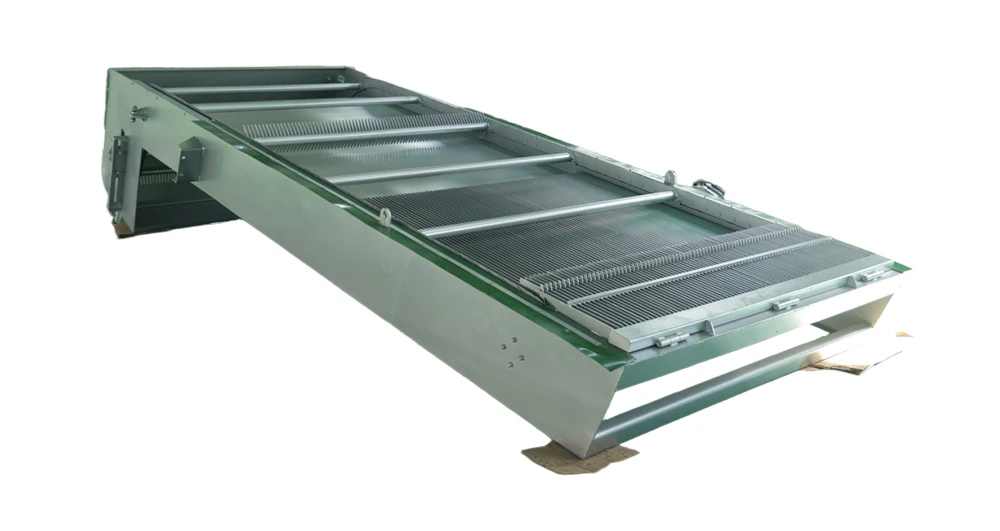
The distance between the bars determines what gets caught and what passes through. Incorrect spacing can lead to either clogging (if too fine) or insufficient pre-treatment (if too coarse). Matching the bar spacing to the typical debris size of your facility is non-negotiable for efficiency.
| Screen Type | Bar Spacing Range | Best For |
| Coarse Screen | 40 – 100 mm | Large debris removal, municipal influent |
| Medium Screen | 10 – 40 mm | General industrial pre-treatment |
| Fine Screen | 1 – 10 mm | Food processing, pulp & paper, tertiary treatment |
2. Material Construction: Stainless Steel vs. Carbon Steel
Corrosion resistance is paramount in wastewater environments. Carbon steel with protective coatings offers a cost-effective solution for less aggressive waste streams. Stainless steel grades (like 304 or 316L) are essential for handling corrosive chemicals, high salinity, or acidic industrial effluents.
- 304 Stainless Steel: Suitable for most municipal and light industrial applications.
- 316L Stainless Steel: Recommended for seawater, chemical plants, and highly corrosive wastewater.
- Carbon Steel + Epoxy Coating: Economical choice for non-corrosive, indoor installations.
3. Drive Mechanism & Automation
Modern bar screens range from simple manual systems to fully automated units equipped with electric or hydraulic drives. Automated systems are crucial for facilities where constant operator presence is not feasible, ensuring continuous cleaning cycles and preventing excessive headloss buildup.
- Manual Operation: Low capital cost, suitable for small-scale or infrequent use.
- Electric Drive: Reliable for continuous operation, easy integration with SCADA systems.
- Hydraulic Drive: High torque output, ideal for heavy-duty industrial applications.
Why Customization Matters for Your Bottom Line
Investing in a custom-engineered bar screen isn’t just about buying a piece of equipment; it’s about securing a long-term asset protection strategy. A screen that is improperly sized or made from the wrong material will lead to frequent breakdowns, increased maintenance costs, and reduced throughput.
Cost of Getting It Wrong
- Pump Damage: Debris passing through an undersized screen can wreck pump impellers within months.
- Downtime: Clogged screens cause process interruptions, leading to SLA breaches and fines.
- Premature Replacement: Wrong material selection in corrosive environments can halve the expected service life.
The Kairun Pumps Advantage
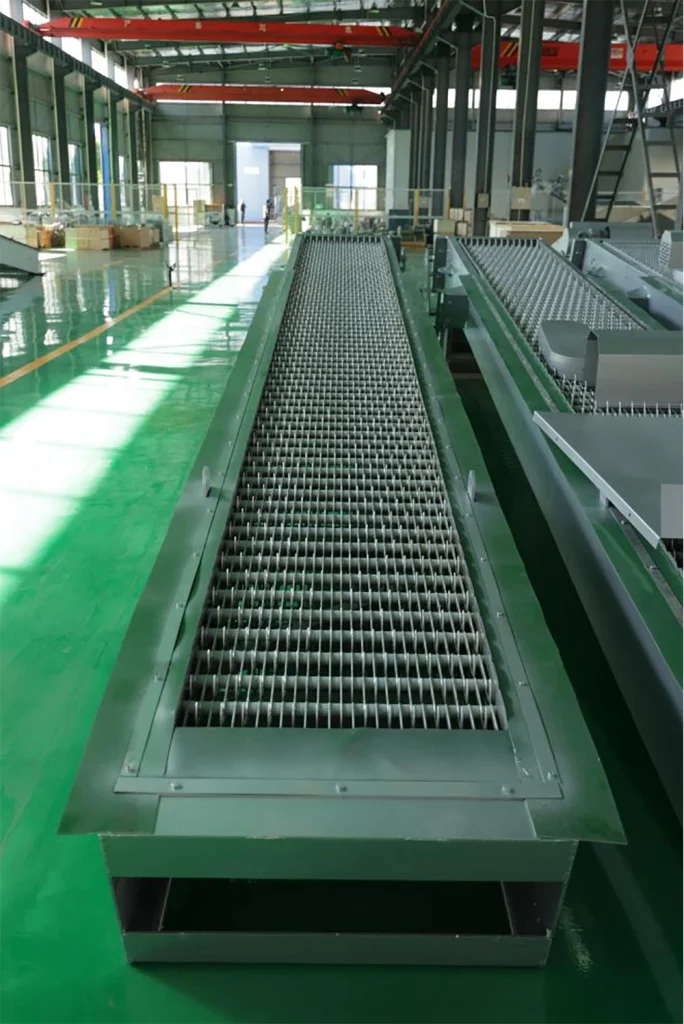
At Kairun Pumps, we specialize in providing comprehensive pre-treatment solutions that seamlessly integrate with our high-performance pump systems. We understand that every channel size, flow rate, and water quality parameter is unique.
Our engineering team conducts thorough site assessments to design a bar screen wastewater treatment plant configuration that maximizes efficiency and longevity. From material selection to drive mechanism, every component is specified to match your exact operating conditions.
Our Customization Checklist:
- Channel dimensions and flow capacity analysis
- Water chemistry and corrosion risk assessment
- Debris type and sizing analysis
- Bar spacing and screening level recommendation
- Material specification (304 / 316L / Carbon Steel + coating)
- Drive mechanism selection (Manual / Electric / Hydraulic)
- Integration with existing pump and control systems
Conclusion
Every wastewater treatment facility faces unique challenges. By understanding your specific application—whether municipal, industrial, or stormwater—you can select a bar screen wastewater treatment plant solution that delivers reliable performance for years to come.
The right bar screen protects your pumps, reduces maintenance costs, and ensures uninterrupted operation. Don’t settle for a generic solution when a custom-engineered system can transform your entire pre-treatment process.
Ready to Find the Perfect Bar Screen? Don’t leave your critical infrastructure to chance. Whether you’re upgrading an existing facility or designing a new installation, the right bar screen makes all the difference. Contact our experts today for a customized consultation and quote.