Introduction
In mining operations, slurry pumps often work under some of the most demanding conditions. The continuous transportation of ore slurry, tailings, and other abrasive mixtures exposes pump components to constant impact and erosion. Without proper maintenance, wear of critical components can lead to reduced efficiency, frequent replacement, and unexpected downtime.
Extending the service life of a heavy duty slurry pump requires more than simply replacing damaged parts. Operators need to understand the causes of wear, maintain key components correctly, and ensure the pump design matches the actual working conditions.
For high-abrasive applications, factors such as slurry concentration, particle size, material selection, sealing performance, and operating adjustments all influence equipment reliability. This article explains how mining operators can reduce wear and improve the long-term performance of slurry pumping systems.
Why Heavy Duty Slurry Pumps Wear Faster in Mining Applications
Abrasive Particles Accelerate Wear on Hydraulic Components
Abrasive wear is one of the main causes of slurry pump failure in mining applications. Materials such as quartz sand, ore particles, and tailings can continuously erode impellers, liners, and other wet-end components.
When ordinary materials are used in severe abrasive conditions, wear parts may require more frequent replacement, increasing maintenance costs and affecting production efficiency.
For this reason, an abrasive slurry pump requires suitable wear-resistant materials that can withstand continuous particle impact. Material hardness, impact resistance, and compatibility with the slurry characteristics are all important considerations when selecting pump components for mining environments.
High Slurry Concentration Increases Pump Load and Wear Risk
Besides particle abrasiveness, slurry concentration also has a significant impact on pump wear. A higher concentration of solid particles increases the amount of material passing through the pump, creating greater stress on the impeller, liners, and sealing components.
In applications such as mineral processing and tailings transportation, slurry conditions can vary significantly depending on the production process. Pumps that are not suitable for high-concentration slurry may experience faster wear, reduced efficiency, and more frequent maintenance requirements.
Therefore, selecting a pump according to actual operating conditions, including solid concentration, particle size, flow requirements, and head requirements, is essential for maintaining reliable operation.
Improper Operation and Maintenance Shorten Wear Life
Even a wear-resistant slurry pump can experience premature damage if operating conditions and maintenance procedures are not properly controlled.
Common factors that may accelerate wear include excessive impeller clearance, delayed inspection of worn components, unsuitable sealing methods, and operation outside the recommended working range.
Regular inspection allows operators to identify wear problems before they cause secondary damage. Timely adjustments and component replacement can help maintain pump efficiency and reduce unexpected downtime.
Key Maintenance Practices to Extend Slurry Pump Wear Life
Inspect Wear Parts Regularly and Replace Them Before Performance Drops
The impeller is one of the most important wear components in a slurry pump, and its condition directly affects pumping performance. As the impeller wears, the pump may experience reduced flow, lower head performance, and declining efficiency.
Operators should inspect the impeller when performance changes are noticed. If adjusting the impeller clearance cannot restore normal operation, replacement may be required.
A practical replacement guideline is to replace the impeller when blade wear exceeds approximately one-third of the original thickness. Regular inspection helps prevent excessive wear from affecting other components and reduces unexpected production interruptions.
Maintain Proper Impeller Clearance to Restore Pump Efficiency
During long-term operation, the clearance between the impeller and the front liner gradually increases due to wear. Excessive clearance can reduce hydraulic efficiency and increase internal leakage.
Maintaining proper impeller clearance is an important maintenance practice because it helps the pump continue operating efficiently after normal wear occurs. Adjustable clearance designs allow operators to compensate for wear by restoring the optimal gap between components.
This approach can help reduce unnecessary component replacement and extend maintenance intervals in continuous mining operations.
Choose the Right Shaft Seal for High-Abrasive Slurry
The sealing system plays an important role in protecting the shaft and bearing components from slurry contamination. Different operating conditions require different sealing solutions.
For abrasive and high-concentration slurry applications, the sealing method should be selected according to the actual working environment. A suitable sealing design can help reduce leakage risks, improve reliability, and minimize maintenance requirements.
In demanding mining conditions, sealing performance is especially important because solid particles can accelerate wear if slurry enters areas that require protection.
How Heavy Duty Slurry Pump Design Helps Extend Wear Life
Wear-Resistant Materials Improve Abrasion Resistance
The material used for wet-end components directly affects resistance to abrasive wear. Components such as impellers, liners, and protective plates are continuously exposed to slurry particles, making hardness and wear resistance important factors.
In severe abrasive environments, conventional cast iron may not provide sufficient durability. Wear-resistant alloys with higher hardness are often selected to improve component life and reduce replacement frequency.
However, material selection should also consider actual working conditions, including particle size, slurry concentration, and impact intensity. A suitable material should provide a balance between abrasion resistance and mechanical reliability.
Pump Structure Influences Maintenance Efficiency
The structure of a slurry pump influences how easily worn components can be inspected, adjusted, and replaced.
A replaceable wear component design can reduce maintenance difficulty because operators do not need to replace the entire pump structure when only exposed parts are worn. This helps reduce spare part consumption and shorten maintenance time.
For mining applications with continuous operation, designs that simplify maintenance can help improve equipment availability and reduce production interruptions.
Sealing Performance and Clearance Adjustment Affect Service Life
Sealing performance and clearance adjustment are two important factors affecting long-term slurry pump reliability.
A suitable sealing system helps prevent slurry from entering protected areas, while proper impeller clearance adjustment helps maintain hydraulic performance as wear develops.
By controlling these factors during operation, operators can reduce unnecessary wear, maintain efficiency, and extend the service life of critical components.
Our Heavy Duty Slurry Pump Solution for High-Abrasive Mining
After understanding the causes of slurry pump wear and the maintenance practices that help extend service life, selecting a pump designed for severe abrasive conditions becomes an important consideration.
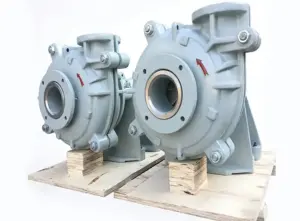
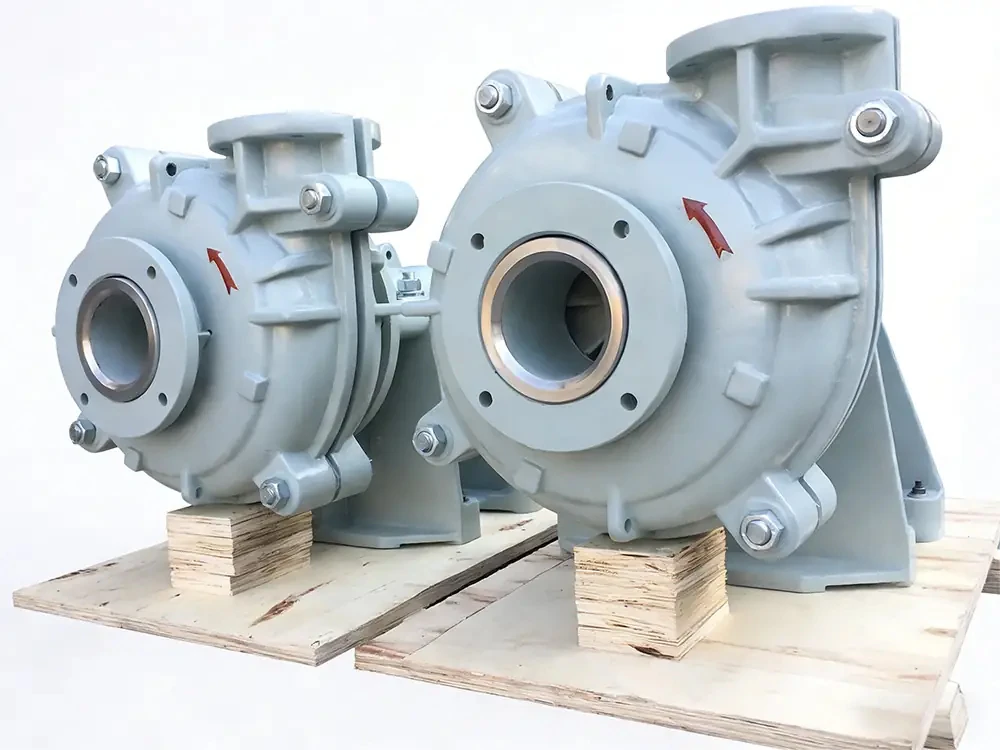
Designed for mining, tailings transportation, dredging, and other abrasive slurry applications, this heavy duty slurry pump combines wear-resistant materials, a durable casing structure, and flexible configurations to handle demanding operating environments.
Flexible Configurations for Different Mining Conditions
To meet different slurry transportation requirements, the heavy duty slurry pump supports a wide range of operating conditions.
| Parameter | Specification |
| Flow Rate | 30–2000 m³/h |
| Head | 10–80 m |
| Motor Power | 7.5–400 kW |
| Speed | 450–1480 r/min |
| Maximum Solid Concentration | 60–70% by weight |
| Maximum Particle Size | 8–50 mm |
| Medium Temperature | 0–80℃ |
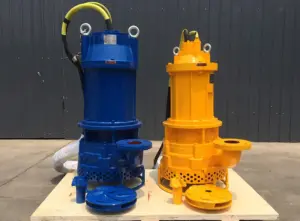
| Installation Options | Horizontal / Vertical / Submersible |
| Shaft Seal Options | Packing Seal / Mechanical Seal / Expeller Seal |
With flexible configurations, the pump can be adapted to different abrasive slurry conditions, including mineral processing, tailings transportation, dredging, and other heavy-duty industrial applications.
Built with Cr26 High Chromium Alloy Wear Components
For high-abrasive mining conditions, the pump uses Cr26 high chromium white cast iron for key wet-end components, including the impeller, front liner, rear liner, and protective components.
With hardness reaching HRC58–62, these high chromium alloy components provide strong resistance against abrasive erosion. Under similar operating conditions, their wear life is 5–8 times longer than ordinary cast iron components.
This wear-resistant design helps reduce the frequency of component replacement and supports more stable operation in applications involving quartz sand, ore particles, and tailings.
Double Casing Structure Reduces Maintenance Costs
The pump adopts a double casing structure consisting of an outer cast iron pressure shell and an inner replaceable wear liner.
During operation, the replaceable liner protects the areas directly exposed to abrasive slurry. When the liner becomes worn, operators only need to replace the wear parts instead of the complete casing.
This structure helps reduce maintenance costs, simplify replacement procedures, and improve equipment availability in continuous mining operations.
Expeller Seal and Adjustable Impeller Clearance Improve Reliability
The pump is available with multiple sealing options, including packing seal, mechanical seal, and expeller seal, allowing different configurations according to operating conditions.
The expeller seal uses an auxiliary impeller to generate reverse pressure, preventing slurry from entering the sealing chamber. This non-contact sealing method is suitable for high-concentration abrasive slurry applications and does not require shaft sealing water.
The adjustable impeller clearance design allows operators to adjust the gap between the impeller and front liner through the bearing assembly. This helps compensate for wear, maintain efficiency, and extend operating performance.
Case Study: Extending Slurry Pump Wear Life in Iron Ore Tailings Applications
A mining customer used a slurry pump for iron ore tailings transportation with 45% slurry concentration and quartz sand particles. Due to severe abrasion, the original pump required frequent maintenance and the wear component service life was only 25 days.
After upgrading to a heavy duty slurry pump with Cr26 high chromium alloy components and a double casing structure, the customer achieved significant improvements:
| Performance Indicator | Before Upgrade | After Upgrade |
| Wear Component Life | 25 days | 120 days |
| Maintenance Downtime | 43 days/year | 9 days/year |
| Replacement Frequency | About 3 shutdowns/month | Extended by 4 times |
| Annual Cost Saving | — | Approx. RMB 1.2 million |
| Payback Period | — | About 6 months |
The results show that a properly configured abrasive slurry pump can improve wear resistance, reduce maintenance requirements, and increase operational reliability in high-abrasive mining conditions.
Frequently Asked Questions
Q1: How Do I Know If a Slurry Pump Impeller Needs Replacement?
A: Replace the impeller when you notice reduced flow, lower head performance, or declining efficiency that cannot be restored by adjusting the impeller clearance. As a general guideline, replacement is recommended when blade wear exceeds about one-third of the original thickness.
Q2: Can a Slurry Pump Run in Reverse Rotation?
A: No. Reverse rotation can reduce pump performance, loosen the impeller nut, and damage components such as the impeller and bearings. Always confirm the motor rotation direction before starting the pump.
Q3: Why Can a High Chromium Alloy Impeller Crack?
High chromium alloy provides excellent hardness and wear resistance but has lower impact resistance than tougher materials. Cracking may occur under large particle impact, sudden temperature changes, or excessive mechanical shock. Material selection should match the actual working conditions.
Conclusion
Extending the wear life of a heavy duty slurry pump requires a combination of proper maintenance practices, suitable operating conditions, and reliable equipment design.
Regular inspection, correct impeller clearance adjustment, and appropriate sealing methods can help reduce unnecessary wear and improve pump reliability. At the same time, wear-resistant materials and durable structures are essential for handling high-abrasive mining environments.
With Cr26 high chromium alloy wear components, double casing structure, adjustable impeller clearance, and flexible sealing options, this heavy duty slurry pump provides a reliable solution for mining, tailings transportation, dredging, and other abrasive slurry applications.
If you are looking for a reliable slurry pump for sale for demanding industrial conditions, experienced china heavy duty slurry pump suppliers can help you select the right configuration based on your working environment and improve long-term operating performance.