In the pretreatment stage of wastewater treatment, the mechanically cleaned bar screen serves as the first line of defense against solids, protecting downstream pumps and processes. Kairun’s flagship GSHZ Rotary Bar Screen is widely adopted for its continuous and reliable debris removal capabilities. However, a “run-to-failure” mindset often leads to costly emergency repairs, motor burnout, and unnecessary downtime. Establishing a proactive maintenance routine is far more economical. Here are six essential tasks to keep your mechanically cleaned bar screen running at peak performance.
1. Rake Chain Tensioning and Noise Inspection
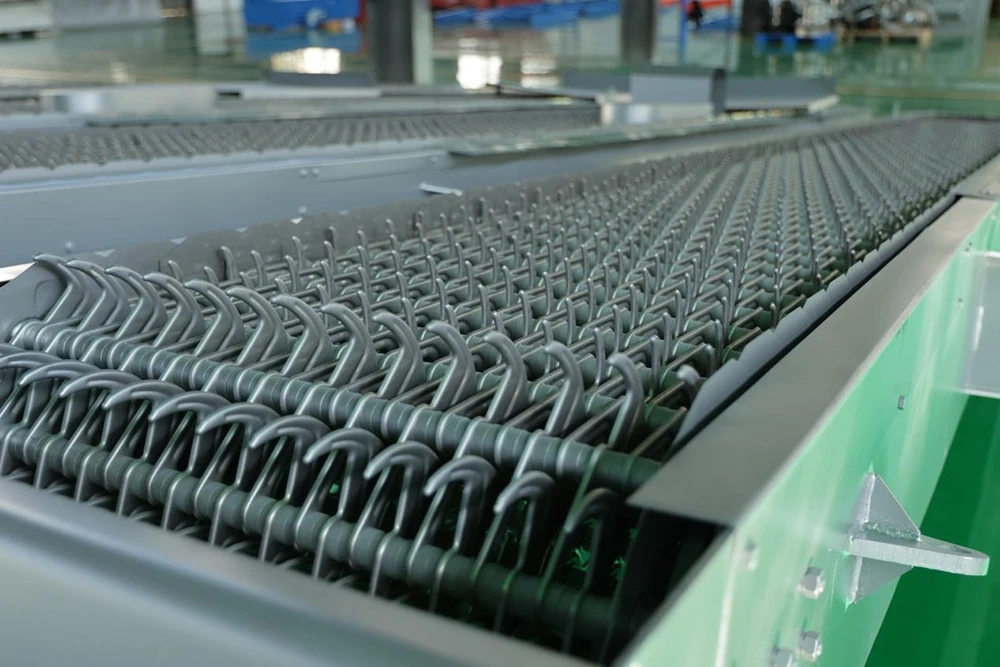
The rake chain is the driving force behind your mechanically cleaned bar screen. Over time, operational wear can cause elongation, leading to chain jumping or derailment.
● Inspection Cycle: Conduct a visual inspection weekly and a tension test monthly.
● Best Practices: Observe the rake teeth as they travel through the guides. A “clicking” sound or vibration indicates a loose chain. Use the integrated tensioning device on the frame for minor adjustments. Avoid over-tightening, as this places excessive load on the gearmotor.
2. Sediment Removal from Bottom Grids and Guide Grooves
Sand and grit from wastewater inevitably settle at the bottom of the channel and within the guide grooves, especially during heavy rainfall or high Total Suspended Solids (TSS) events.
● Risk: Accumulated sediment increases operational resistance, potentially bending rake teeth or causing a complete system lock-up.
● Action: Schedule thorough cleanouts quarterly or based on site conditions. Always ensure strict Lock-Out/Tag-Out (LOTO) procedures are followed before any manual cleaning.
3. Gearbox Lubrication and Overload Reverse Testing
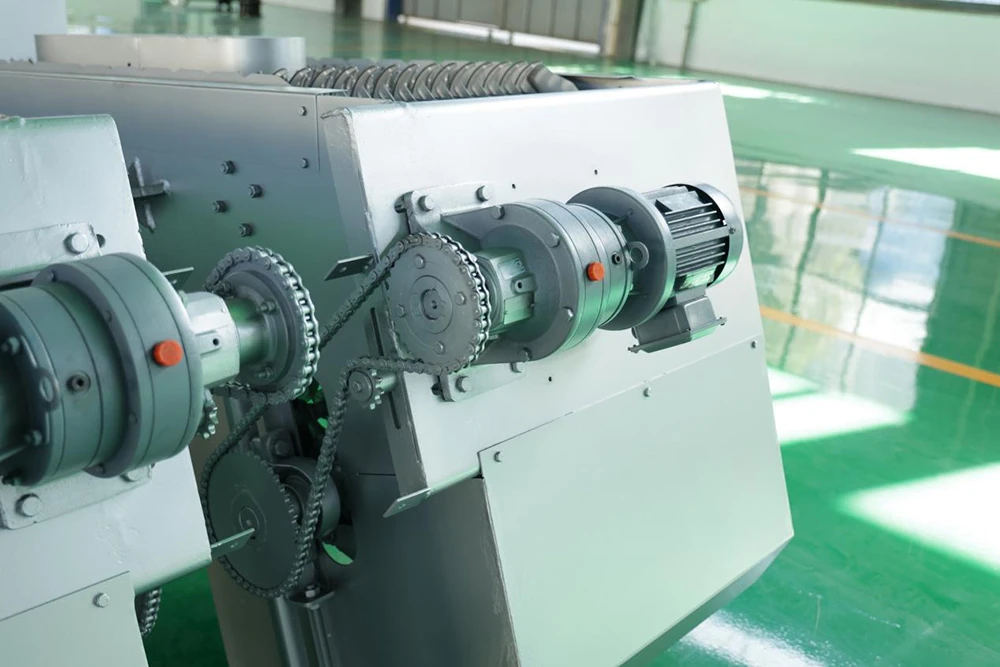
The gearmotor is the heart of the Kairun GSHZ series. While we equip our screens with high-quality gearmotors, proper lubrication and electrical protection are vital.
● Lubrication Schedule: Change the gear oil after the first 200–300 hours of operation. Subsequently, replace it every 3–6 months, depending on operating conditions and oil analysis.
● Overload Test: Perform a monthly check of the overload protection logic. A properly configured mechanically cleaned bar screen should automatically reverse 0.5–1 meter when encountering excessive resistance. If obstructions persist, the system should trigger an alarm and shut down to prevent motor burnout.
4. Rubber Seal Aging and Replacement
Rubber seals are installed between the rake teeth and the sidewalls to prevent bypass flow of solids.
● Signs of Wear: Look for hardening, cracking, or sections missing from the seal strips.
● Consequences: Failed seals allow fine fibers and grease to pass into downstream processes, increasing wear on pumps and clogging pipes.
● Replacement Schedule: Inspect the seals annually. Immediate replacement is recommended at the first sign of degradation.
5. Kairun’s Modular Seals: Replace Parts, Not the Whole Machine
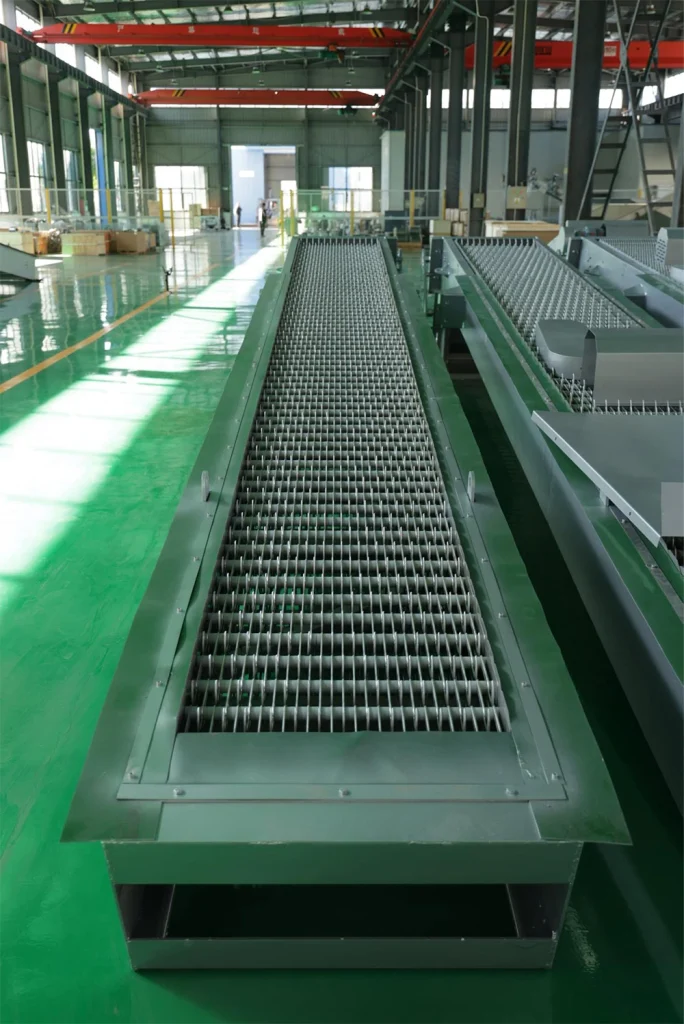
This is a key design advantage of the Kairun mechanically cleaned bar screen. Unlike conventional screens where seal failure requires a complete overhaul, Kairun utilizes a modular design.
● The Advantage: Seals are designed as independent, replaceable wear parts. If local wear occurs, simply unbolt the old strip and fit the new one.
● Value: This “parts-only” approach reduces maintenance costs by over 70% and minimizes downtime—a single-side replacement typically takes less than 30 minutes.
6. Control Panel and Level Differential Calibration
Beyond the mechanical hardware, the control system dictates the efficiency of your screen.
● Calibration: Verify the accuracy of the level differential transmitters (ultrasonic or hydrostatic) every quarter. Fouling on the sensors can cause the screen to cycle unnecessarily or, worse, fail to activate during a debris surge.
● Interlock Test: Ensure the mechanically cleaned bar screen activates automatically based on the preset level differential (e.g., 200mm–300mm) and resets correctly once the cleaning cycle is complete.
Conclusion
For any mechanically cleaned bar screen, prevention is always more cost-effective than emergency repairs. By adhering to these six maintenance tasks, your Kairun GSHZ Rotary Bar Screen will maintain optimal interception efficiency, ensuring the long-term stability of your entire wastewater treatment process.
Need the detailed maintenance manual or a spare parts list for your Kairun GSHZ series?
[Contact Kairun Technical Support for PDF Resources] | [View GSHZ Product Details]