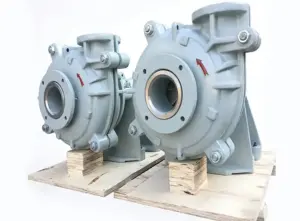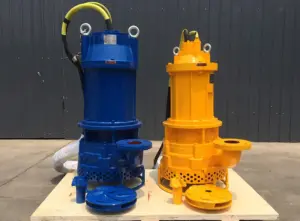
Submersible pumps are widely used in municipal wastewater treatment, industrial water management, agricultural irrigation, mining, flood control, and construction dewatering. Their ability to operate while fully submerged makes them highly efficient, space-saving, and reliable. However, even the highest-quality submersible pump requires proper maintenance to achieve its expected service life.
Without routine inspection and preventive maintenance, common issues such as seal failure, motor overheating, impeller wear, and electrical faults can significantly reduce pump efficiency and increase operating costs.
This guide explains the essential maintenance practices that help maximize the service life of submersible pumps while reducing downtime and repair costs.
Why Is Regular Submersible Pump Maintenance Important
A submersible pump operates under demanding conditions, including continuous immersion, abrasive particles, corrosive liquids, and fluctuating operating loads. Over time, these factors gradually wear internal components.
Proper maintenance offers several benefits:
* Extends the pump’s lifespan
* Improves hydraulic efficiency
* Reduces unexpected failures
* Lowers maintenance costs
* Minimizes energy consumption
* Protects the motor from water intrusion
* Ensures stable system performance
Preventive maintenance is considerably more cost-effective than emergency repairs or complete pump replacement.
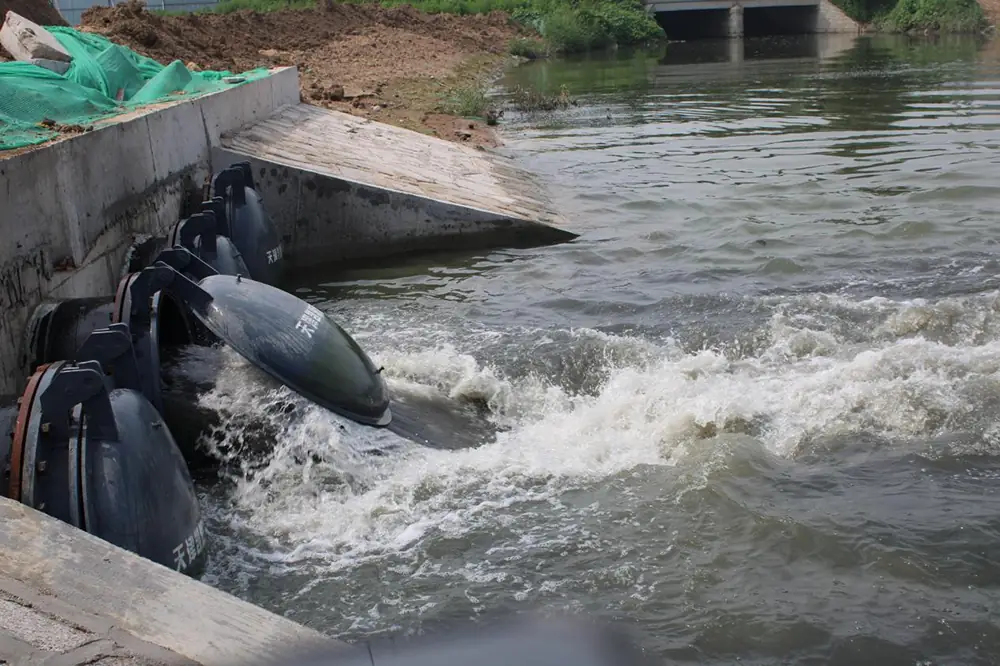
Understand the Main Components of a Submersible Pump
Before creating a maintenance plan, it is important to understand the pump’s major components:
| Component | Function |
| Pump Motor | The sealed electric motor provides the driving force while remaining completely isolated from water. |
| Mechanical Seal | The mechanical seal prevents water from entering the motor housing. It is one of the most critical components affecting pump reliability. |
| Impeller | The impeller converts motor energy into fluid movement. It is particularly vulnerable to wear when pumping sand, sludge, or abrasive particles. |
| Bearings | Bearings support the rotating shaft and maintain smooth operation. |
| Shaft | The shaft transfers power from the motor to the impeller while maintaining proper alignment. |
| Cable Entry | The cable sealing system protects electrical connections from moisture infiltration. |
Monitor Pump Performance
Performance monitoring provides early warning of internal wear.
Key operating parameters include:
Flow Rate
A noticeable reduction may indicate:
* Impeller wear
* Blockage
* Pipe leakage
* Clogged intake
Head Pressure
Lower pressure often suggests hydraulic wear or internal damage.
Power Consumption
Increasing power usage generally indicates:
* Bearing wear
* Impeller obstruction
* Mechanical friction
* Motor overload
Recording these parameters over time helps identify gradual performance degradation.
Essential Maintenance for Submersible Pumps
Keep the Pump Clean
One of the simplest maintenance tasks is regular cleaning.
Submersible pumps operating in wastewater frequently accumulate:
* Fibers
* Hair
* Plastic debris
* Sand
* Sludge
* Organic waste
These materials may wrap around the impeller or clog the suction inlet.
Cleaning intervals depend on the application:
| Application | Recommended Cleaning |
| Clean Water | Every 6–12 months |
| Municipal Wastewater | Every 2–3 months |
| Industrial Wastewater | Monthly or as needed |
| Slurry Applications | Weekly inspection |
Inspect the Mechanical Seal
Mechanical seal failure is among the leading causes of submersible pump damage.
Signs of seal wear include:
* Water inside the motor chamber
* Oil contamination
* Increased leakage
* Motor insulation failure
If the seal becomes damaged, water can enter the motor housing and cause complete motor failure.
Inspect the seal during every scheduled maintenance shutdown.
Check Bearings Regularly
Bearings experience continuous rotational stress.
Common symptoms of bearing wear include:
* Abnormal vibration
* Grinding noise
* High operating temperature
* Reduced efficiency
If worn bearings are not replaced promptly, they can damage the shaft and motor.
Prevent Impeller Wear
The impeller experiences the highest hydraulic wear.
Abrasive materials such as:
* Sand
* Gravel
* Sludge
* Fly ash
* Mining slurry
gradually erode the impeller surface.
Inspect for:
* Cracks
* Corrosion
* Excessive wear
* Imbalance
* Broken vanes
Replacing a worn impeller early prevents further damage to the pump casing.
Protect the Motor
The motor is the most expensive component of a submersible pump.
Recommended protection measures include:
- Avoid Dry Running
Submersible pumps rely on surrounding liquid for cooling.
Running without sufficient water may quickly overheat the motor.
Install:
* Float switches
* Water level sensors
* Dry-run protection systems
- Prevent Overloading
Continuous overload increases winding temperature and insulation aging.
Monitor motor current and compare it with the rated value.
- Maintain Proper Voltage
Voltage fluctuations shorten motor life.
Ideally:
* Voltage imbalance should remain below 1%
* Operating voltage should stay within ±10% of the rated value
- Check Electrical Components
Electrical failures account for many pump shutdowns.
Inspect:
* Power cables
* Cable glands
* Terminal connections
* Grounding
* Insulation resistance
Damaged cables should be replaced immediately to prevent short circuits.
Prevent Corrosion
Corrosive liquids accelerate deterioration.
For chemical wastewater or seawater applications:
Choose pumps manufactured from:
* Stainless steel
* Duplex stainless steel
* High-chrome alloy
* Corrosion-resistant coatings
Regularly inspect exposed metal surfaces for corrosion.
Avoid Frequent Starts and Stops
Repeated starting creates high inrush current and mechanical stress.
Frequent cycling can damage:
* Motor windings
* Bearings
* Couplings
* Electrical controls
Where possible:
* Install variable frequency drives (VFDs)
* Use level controllers
* Optimize operating cycles
Schedule Preventive Maintenance
Instead of waiting for failures, establish a preventive maintenance schedule.
Daily
* Check vibration
* Monitor current
* Observe flow
* Inspect leakage
Monthly
* Clean pump
* Inspect cables
* Check mounting bolts
Quarterly
* Inspect impeller
* Test insulation resistance
* Check bearings
Annually
* Replace worn seals
* Inspect shaft
* Replace oil if required
* Conduct comprehensive performance testing
A documented maintenance program greatly improves equipment reliability.
Common Signs That a Submersible Pump Needs Maintenance
Do not ignore the following warning signs:
* Reduced pumping capacity
* Excessive vibration
* Loud noise
* Frequent tripping
* Motor overheating
* Increased energy consumption
* Water leakage
* Oil contamination
* Seal failure
* Difficulty starting
Early intervention prevents expensive repairs.
Best Practices for Long-Term Reliability
To maximize service life:
* Select the correct pump for the application.
* Operate within the recommended performance range.
* Avoid dry running.
* Prevent cavitation whenever possible.
* Keep the intake free from debris.
* Replace worn components before failure.
* Follow the manufacturer’s maintenance schedule.
* Use genuine replacement parts.
* Record maintenance history for trend analysis.
* Train operators on proper startup and shutdown procedures.
Consistent adherence to these practices can significantly reduce lifecycle costs and improve system reliability.
Conclusion
Submersible pumps represent a critical investment in wastewater treatment, industrial processing, mining, agriculture, and municipal infrastructure. Their long-term performance depends not only on equipment quality but also on proper operation and preventive maintenance.
By conducting regular inspections, monitoring operating conditions, protecting key components such as the mechanical seal and motor, and following a structured maintenance schedule, operators can dramatically extend pump service life while minimizing downtime and repair costs.
Whether used in sewage handling, slurry transfer, stormwater drainage, or industrial fluid management, a well-maintained submersible pump delivers higher efficiency, lower operating costs, and dependable performance throughout its entire lifecycle.