Choosing equipment for a wastewater treatment plant usually comes down to three things: efficiency, reliability, and how much it will cost to run over time. According to the U.S. Environmental Protection Agency (EPA), pumping and mixing systems can account for up to 15% of a treatment facility’s total electricity consumption. A wrong choice doesn’t just affect process stability—it usually shows up later in higher energy bills. The following guide offers a structured method for evaluating these systems based on verifiable performance data and practical experience.
Understanding Submersible Equipment
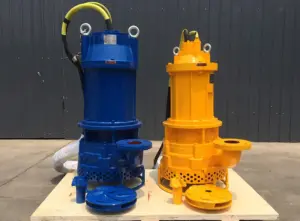
A submersible waste water pump is simply a pump that works while fully submerged in the liquid it’s pumping. It is commonly used to transfer raw sewage, recirculate mixed liquor, or drain tanks. Since it runs directly in the water, the motor housing and cable entry have to be properly sealed to avoid early failure.
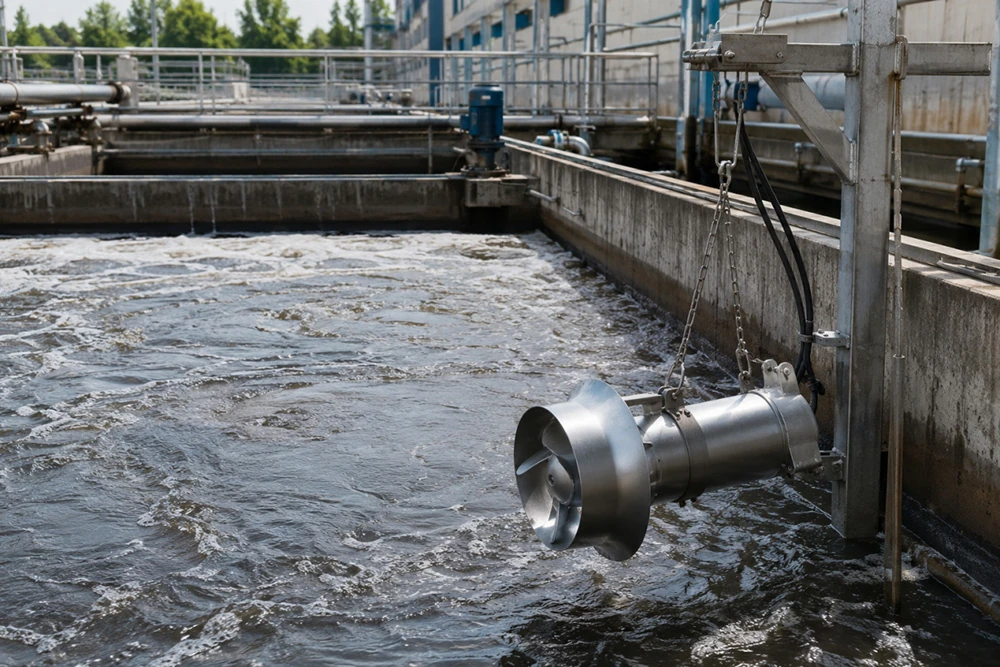
Submersible mixers, on the other hand, don’t move water out of the tank—they just keep it circulating inside the basin. Their job is to keep solids from settling and make sure oxygen or chemicals are evenly mixed. Although both are submersed devices, the hydraulic demands placed on them are quite different.
Handling Solids and Heavy Sludge
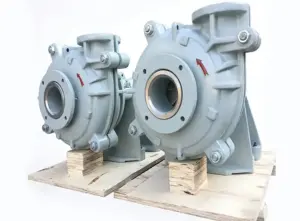
For handling unscreened influent or thick sludge, an industrial sewage pump is typically required. These pumps use large flow passages, usually with vortex or single-channel impellers, so they can handle solids and fibrous materials without clogging. Their robust construction makes them suitable for the most demanding inlet works and sludge transfer stations.
The broader category of equipment found in these facilities is sometimes referred to collectively as wastewater pumps. However, each type has distinct design priorities, and matching the correct device to the specific task prevents both overspending and premature wear.
The Role of the Equipment Supplier
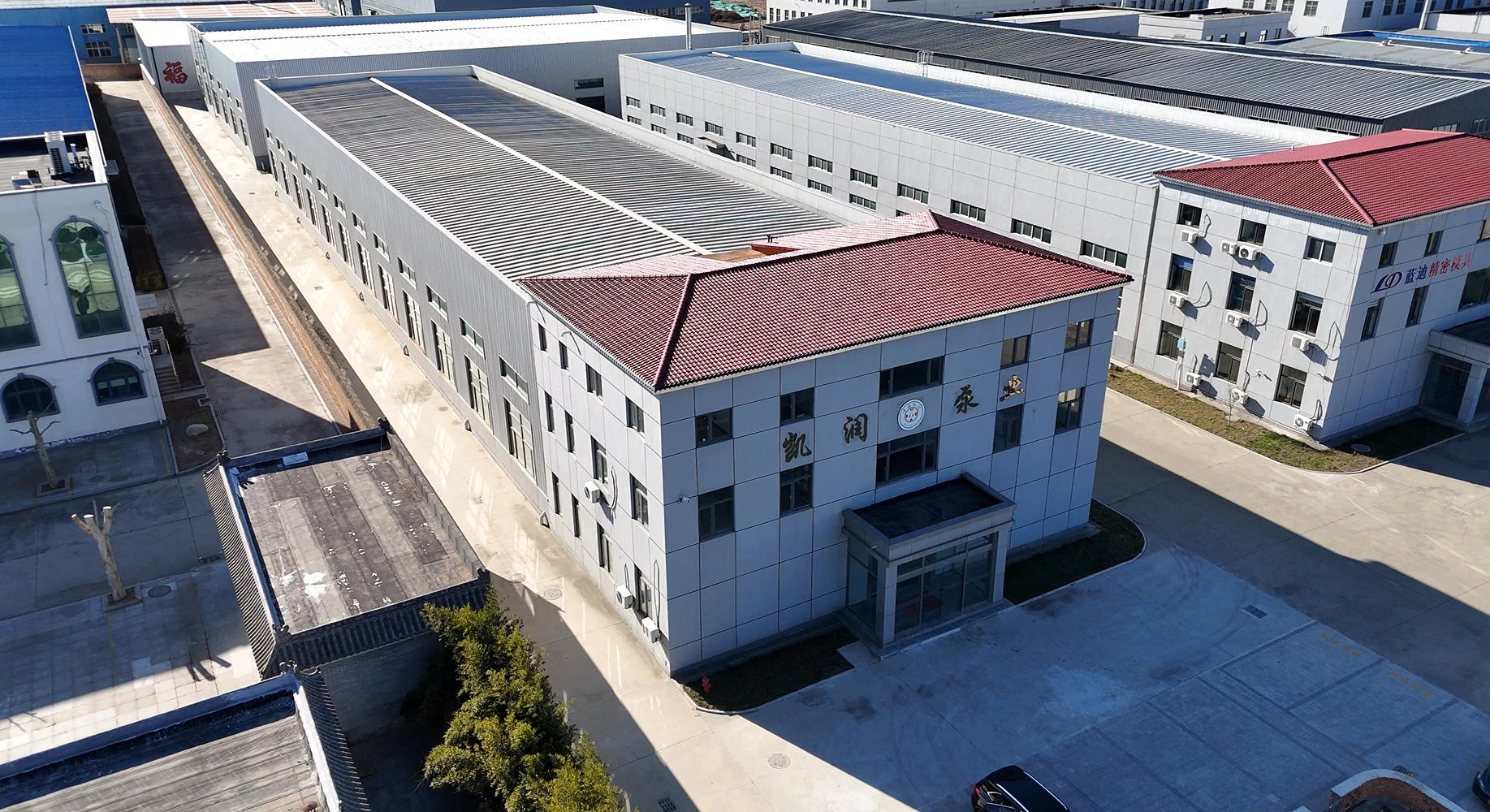
A responsible industrial pumps manufacturer will offer more than just hardware. They usually help with performance curves, sizing, and choosing materials based on the actual fluid conditions. This support is essential because off-the-shelf selections rarely account for site-specific factors like variable inflow or corrosive trade waste.
Impeller Design and Mechanical Sealing
One key area where engineering quality becomes visible is the impeller. A back-swept, self-cleaning profile made from pressed stainless steel resists fibre buildup and reduces axial thrust fluctuations. This in turn lowers the load on bearings and extends the service interval, a detail that significantly influences total maintenance costs.
When specifying a wastewater treatment pump, the shaft sealing arrangement deserves close attention. A robust design uses a tandem mechanical seal pair—tungsten carbide faces with fluoroelastomer O-rings—housed in an oil-filled chamber. A leakage sensor in this chamber provides an early warning if the primary seal is compromised, allowing planned maintenance before water reaches the motor windings.
Energy Efficiency and Lifecycle Cost
Over the life of the equipment, electricity is usually one of the biggest costs. If the pump and impeller are well designed, energy savings of 20% or more are often achievable. This finding underscores the value of selecting high-efficiency hydraulic designs.
A carefully chosen submersible waste water pump equipped with an optimised impeller and premium-efficiency motor can reduce power draw markedly. In documented cases, a 10 kW unit running 8,000 hours per year has saved around 23% in electricity compared with an older conventional model, translating to roughly $12,000 in annual savings at typical industrial rates. Actual results depend on system conditions and local energy prices.
Product Specifications at a Glance
The table below provides typical performance parameters for a medium-sized submersible mixer range. These figures serve as a preliminary reference and must be verified against the specific requirements of the intended duty.
| Parameter | Specification / Range |
| Motor Power Range | 0.85 kW – 15 kW |
| Impeller Diameter | 260 mm – 900 mm |
| Ingress Protection | IP68 (fully submersible) |
| Insulation Class | F (155°C) |
| Medium pH Range | 5 – 9 (standard); wider range with special alloys |
| Medium Temperature | 0°C – 40°C |
| Maximum Submersion Depth | ≤ 20 metres |
| Certifications | ISO 9001:2015, CE (machinery and EMC directives) |
Primary Application Scenarios
Real-world applications show that the industrial sewage pump is heavily used in municipal wastewater treatment, which accounts for roughly 55% of installations. Industrial plants such as chemical and food processing facilities represent about 30%, while agricultural and livestock operations make up the remaining 15%. Each sector imposes unique demands on materials and hydraulic design.
Real-World Retrofit Case
One illustrative case involved a large municipal facility in East China. Its biological treatment basin was suffering from persistent dead zones where sludge settled, leading to fluctuating effluent nitrogen levels. The existing mixers could no longer maintain adequate circulation in the 2,000-cubic-metre tank.
The supplier’s engineering team installed three 15 kW low-speed, high-thrust submersible mixers. These were positioned to create a consistent, basin-wide flow pattern. After the retrofit, sludge buildup was reduced, and the biological process became much more stable. The treatment line’s wastewater treatment pump operations also saw more uniform sludge transfer, contributing to the overall improvement. In total, the plant recorded annual electricity savings of approximately 600,000 RMB.
Step-by-Step Selection Guide
The selection usually starts with basic data like tank size, liquid depth, and process requirements. For mixing, the target average velocity is generally 0.15–0.3 m/s. For pumping, the total dynamic head and flow rate must be calculated from the system curve.
It is at this calculation stage that input from an industrial pumps manufacturer becomes most valuable. Using the fluid characteristics—pH, temperature, solids content, and any fibrous or abrasive elements—they can recommend the appropriate impeller type, shaft material, and seal arrangement. This step turns generic requirements into a fit-for-purpose specification.
Design Features for Challenging Conditions
Attention must also be given to upset conditions. For streams with high rag content, a cutting device on the impeller hub helps prevent clogging. In chemically aggressive environments, upgrading to 316L or duplex stainless steel can be specified. Cold-climate installations benefit from anti-condensation heating tapes embedded in the motor windings to keep insulation dry during idle periods.
Frequently Asked Questions
Q: What causes a submersible mixer to draw excessive current?
A: If the current goes up suddenly, it’s usually because the impeller is blocked, the liquid is heavier than expected, or the motor insulation has started to degrade. In that case, it’s better to stop the unit and check it before restarting. Check the leakage sensor and manually rotate the impeller to confirm free movement before restarting.
Q: How can I select the correct motor size for a mixer without overpaying for energy?
A: Motor sizing must be based on the required thrust to achieve the target tank velocity, not simply on the volume of the basin. Providing precise dimensions and process targets to the equipment supplier allows them to model the flow and recommend a unit that meets the need without excessive power consumption.
Conclusion
In summary, a wastewater treatment pump or mixer should be evaluated on total lifecycle performance, not just its initial purchase price. Features such as high-efficiency impellers, dual mechanical seals with leakage detection, and corrosion-resistant alloys directly determine uptime and energy costs. By taking a data-driven approach and collaborating with experienced engineering teams, treatment plants can secure equipment that reliably meets their process goals while keeping operational expenses under control.