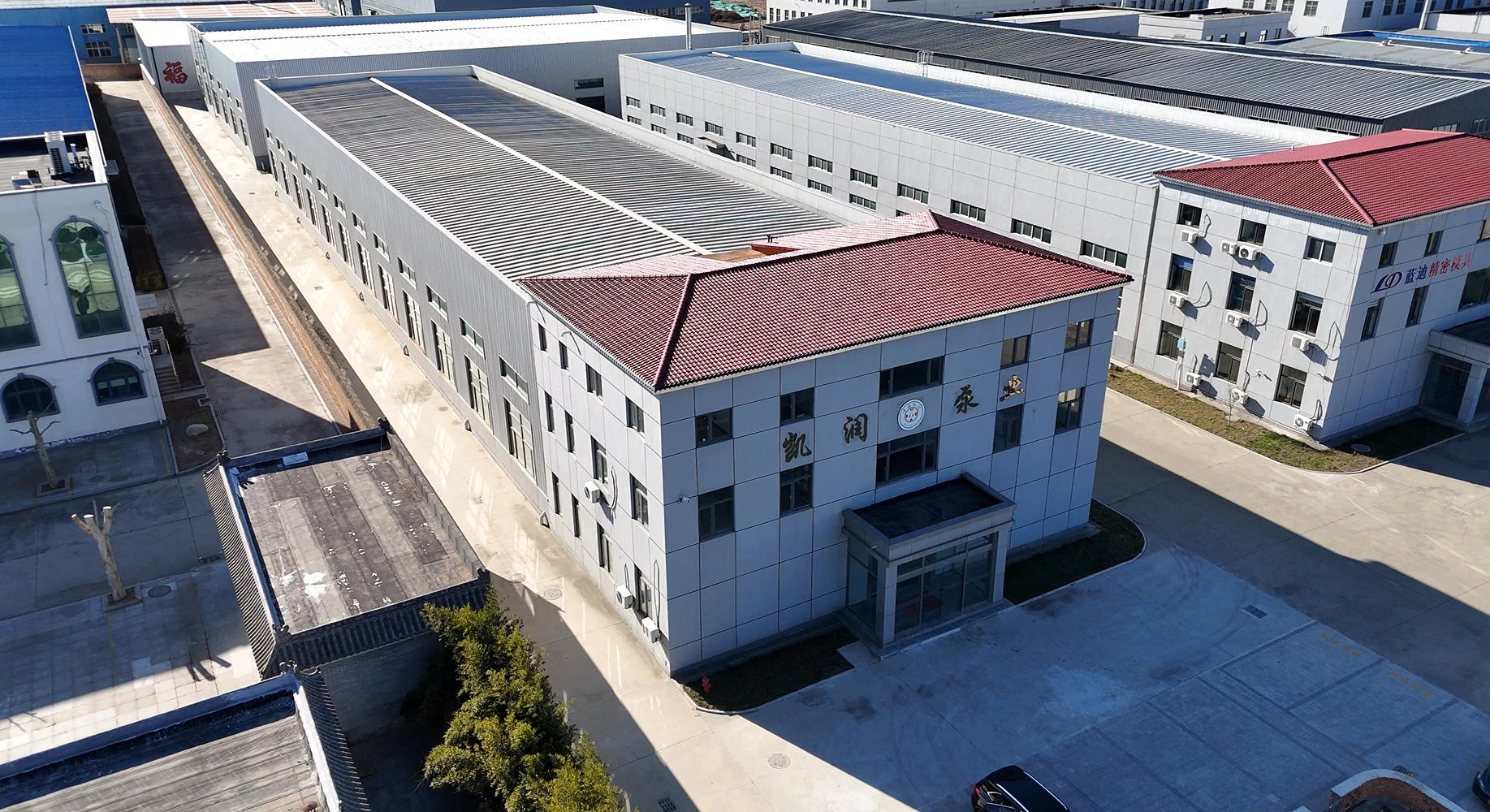
Overview: What Is an Aerator?
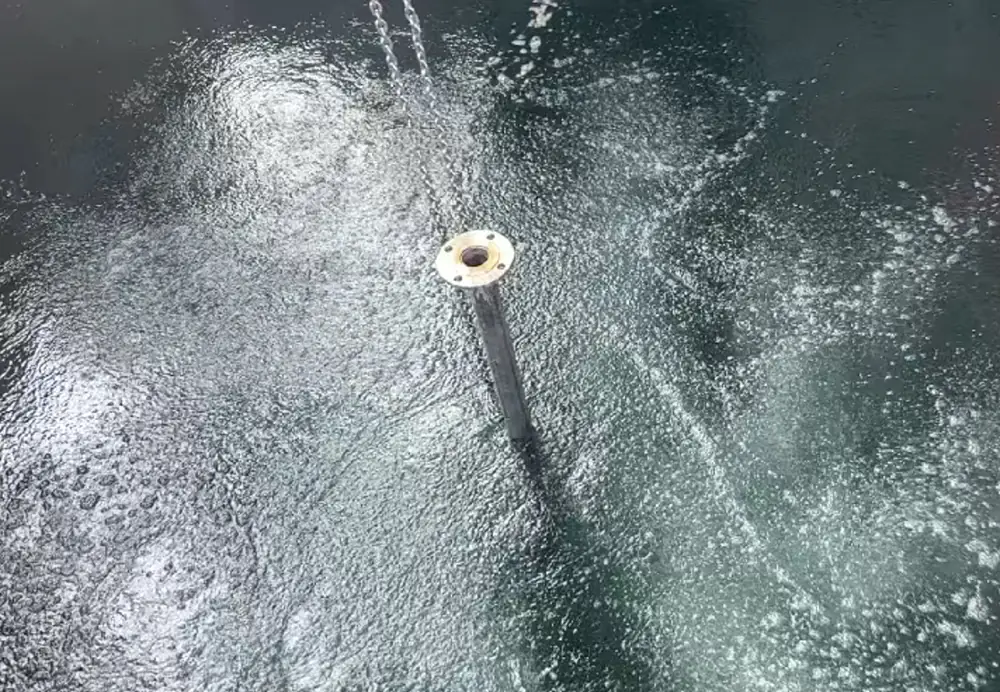
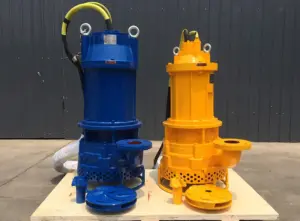
An aerator is the core oxygenation equipment of biological wastewater treatment. It transfers oxygen from the air into the mixed liquor so aerobic microorganisms can break down organic pollutants, while its mixing action keeps the activated sludge in suspension. Mechanical aerators fall into two families: submersible aerators, which are installed directly in the water, and surface aerators, whose drive unit sits above the water surface with only the impeller or blades submerged.
Compared with conventional blower + pipeline + diffuser systems, self-contained mechanical aerators offer a simpler and more economical alternative:
- No blower room, no air piping and no distribution manifolds — the aerator is the complete aeration system;
- Self-priming or surface air intake — no compressed-air supply required;
- Small footprint — no additional civil structure, foundation or air-supply room;
- Aeration and mixing in one device — no separate agitators are required;
- Wide coverage — suitable for oxidation ditches, aeration tanks, SBR reactors, ponds and aquaculture.
This guide covers our four aerator families: the QXB submersible centrifugal aerator, the QSB submersible jet aerator, the DSB inverted-umbrella surface aerator, and surface aerators (PEL vertical pump-E, rotary brush and rotary disc types). For each type it introduces the working principle, key features and advantages, typical applications, and technical parameters.
QXB Series — Submersible Centrifugal Aerator
Overview
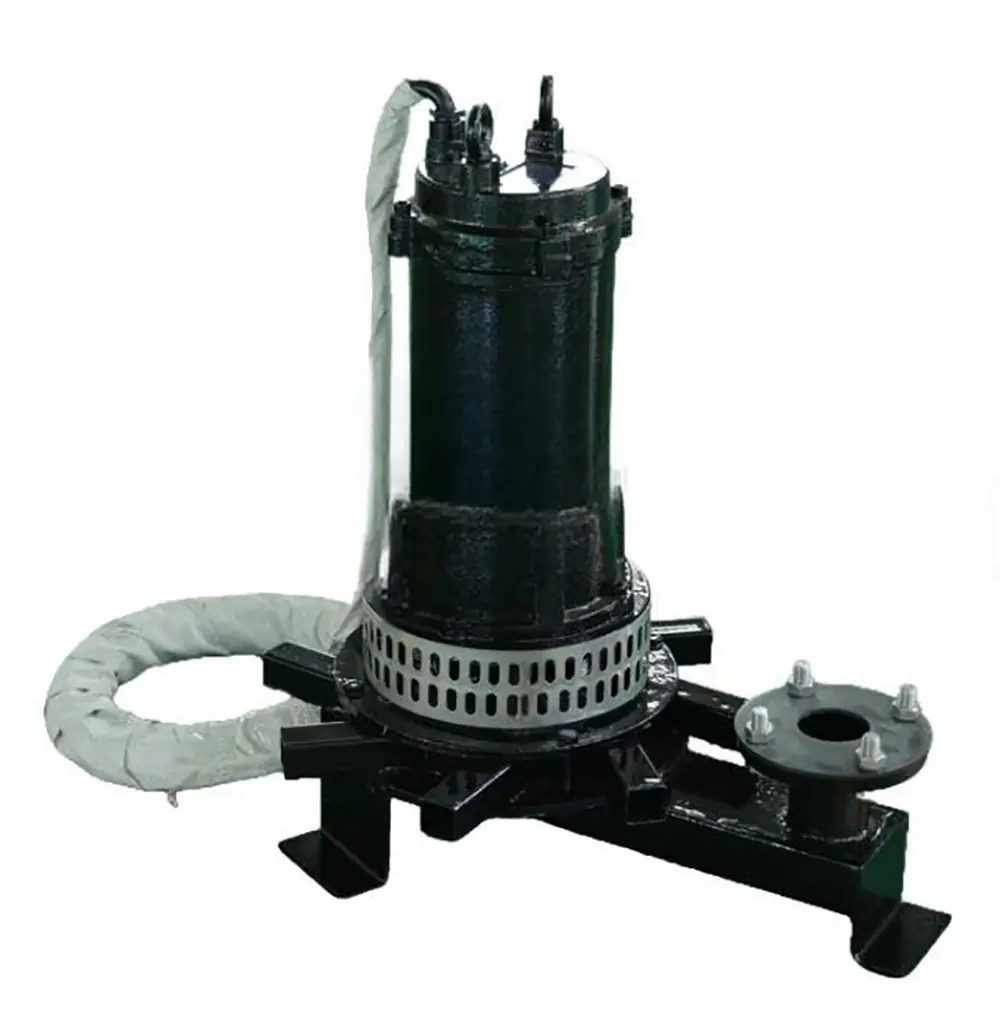
The QXB submersible centrifugal aerator is the most widely used type of submersible aerator. It is a direct-drive, self-priming unit: the rotating impeller generates centrifugal force that creates a negative-pressure zone, drawing air in through the intake pipe. The air and water are mixed and sheared in the mixing chamber into dense fine bubbles, then discharged radially at high speed.
Working Principle
- The submersible motor drives the impeller at high speed (about 1,470 rpm).
- Centrifugal force creates negative pressure at the impeller inlet.
- Air is drawn in through the intake pipe, whose top end stays above the water surface.
- Air and water are mixed in the mixing chamber; high-speed shear breaks the air into fine, dense bubbles.
- The air-water mixture is ejected radially from the discharge outlets, creating circulation and convection that flush the whole tank — no dead zones remain.
Key Features and Advantages
- Self-priming air intake — no blower, no air piping, lower investment and simpler layout;
- Fine, dense micro-bubbles — high oxygen transfer efficiency and wide aeration coverage;
- No dead zones — the horizontal bubble-laden flow scours every corner of the tank bottom;
- Integrated mixing — aeration, agitation and circulation in one unit; keeps sludge in suspension;
- Self-weight positioning — easy installation; units can be freely rearranged without interrupting operation;
- Compact and quiet — submersible motor, minimal footprint, low noise;
- Reliable — heavy-duty bearings and an oil-bath shaft seal support 24-hour continuous operation;
- Guide-rail installation option — the unit can be lifted out for maintenance without draining the tank.
Applications
Aeration tanks, aerated grit chambers, oxidation ditches, SBR reactors, equalization tanks, integrated sewage treatment units, and aquaculture or fish ponds.
Technical Parameters
Standard conditions: 380 V / 50 Hz, insulation class F. Values shown are typical manufacturer data; confirm exact figures with the factory for project-specific selection.
Table 1. QXB series — main technical parameters
| Model | Power (kW) | Air intake (m³/h) | Current(A) | Max depth (m) | Service diameter (m) |
| QXB0.75 | 0.75 | 10 | 2.4 | 2.5 | 2.8 |
| QXB1.5 | 1.5 | 22 | 4 | 2.5 | 4.2 |
| QXB2.2 | 2.2 | 35 | 5.8 | 3 | 5 |
| QXB3 | 3 | 50 | 7.8 | 3.5 | 5.8 |
| QXB4 | 4 | 75 | 9.8 | 4 | 6.6 |
| QXB5.5 | 5.5 | 85 | 12.4 | 5 | 7.8 |
| QXB7.5 | 7.5 | 100 | 17 | 5 | 9 |
| QXB11 | 11 | 160 | 24 | 6 | 10 |
| QXB15 | 15 | 200 | 32 | 6 | 11 |
| QXB18.5 | 18.5 | 260 | 39 | 6 | 12.4 |
| QXB22 | 22 | 320 | 45 | 6 | 13.5 |
QSB Series — Submersible Jet Aerator
Overview
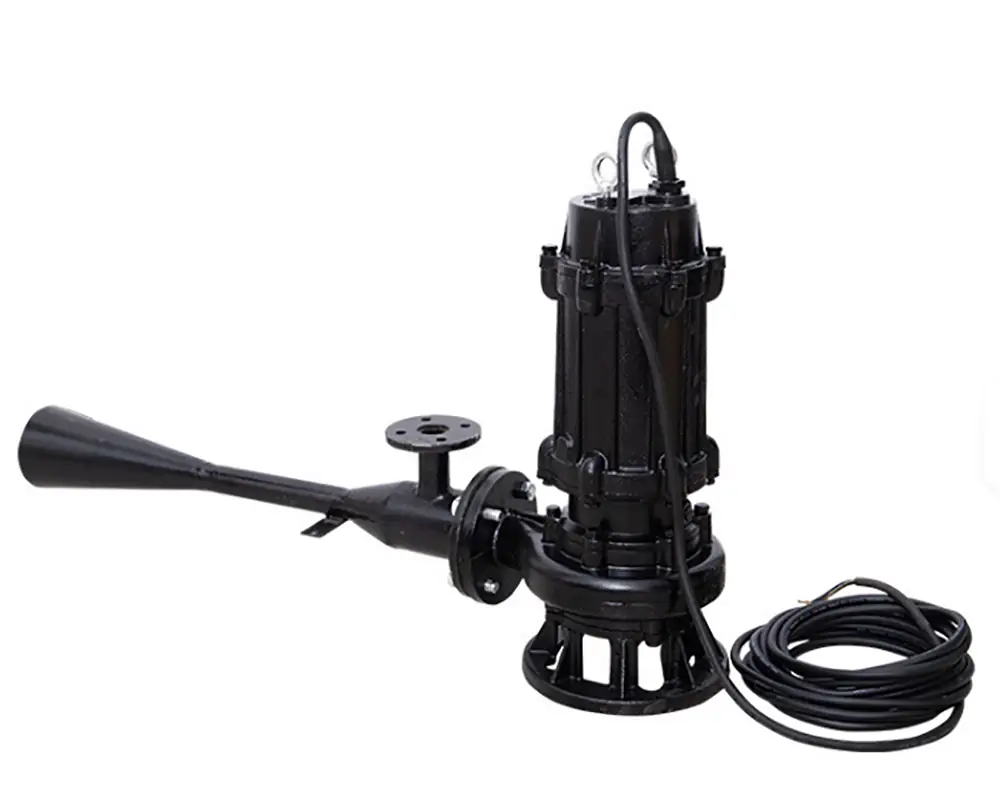
The QSB submersible jet aerator combines a submersible pump with a jet-nozzle assembly. The pump discharges a high-velocity water jet through the nozzle; the jet creates negative pressure around the nozzle and draws in atmospheric air. Air and water are mixed in the mixing chamber and the trumpet-shaped diffuser tube, and the bubble-laden two-phase jet is ejected at high speed into the water.
Working Principle
- The submersible pump produces a high-velocity water jet through the nozzle.
- The jet creates a vacuum around the nozzle, drawing in air.
- Air and water mix in the mixing chamber and diffuser tube.
- The air-water jet is ejected at high speed, creating strong vortex stirring and circulation over a wide area.
- Because a pump (not a blower) supplies the energy, shaft power does not change with submerged depth, and the air intake volume can be adjusted.
Key Features and Advantages
- Clog-resistant — open, non-clog impeller design; no blockage by rags, fibers or sludge;
- Stable at varying depth — shaft power stays nearly constant as the water level changes;
- Adjustable air intake — the process can be tuned to the oxygen demand;
- Strong directional flow — effective convection prevents sludge settling and surface foam;
- Two installation options — self-coupling guide-rail type (maintenance without entering the tank) and mobile type.
Applications
Deep aeration tanks, oxidation ditches, equalization tanks, tanks with large water-level fluctuations, industrial effluent treatment, and aquaculture ponds.
Technical Parameters
Table 2. QSB series — main technical parameters
| Model | Power (kW) | Air intake (m³/h) | Current(A) | Max depth (m) |
| QSB0.75 | 0.75 | 10 | 2.4 | 3 |
| QSB1.5 | 1.5 | 22 | 4 | 3 |
| QSB2.2 | 2.2 | 35 | 5.8 | 3.5 |
| QSB3 | 3 | 50 | 7.8 | 4 |
| QSB4 | 4 | 75 | 9.8 | 4 |
| QSB5.5 | 5.5 | 85 | 12.4 | 5 |
| QSB7.5 | 7.5 | 100 | 17 | 5 |
DSB Series — Inverted-Umbrella Surface Aerator
Overview
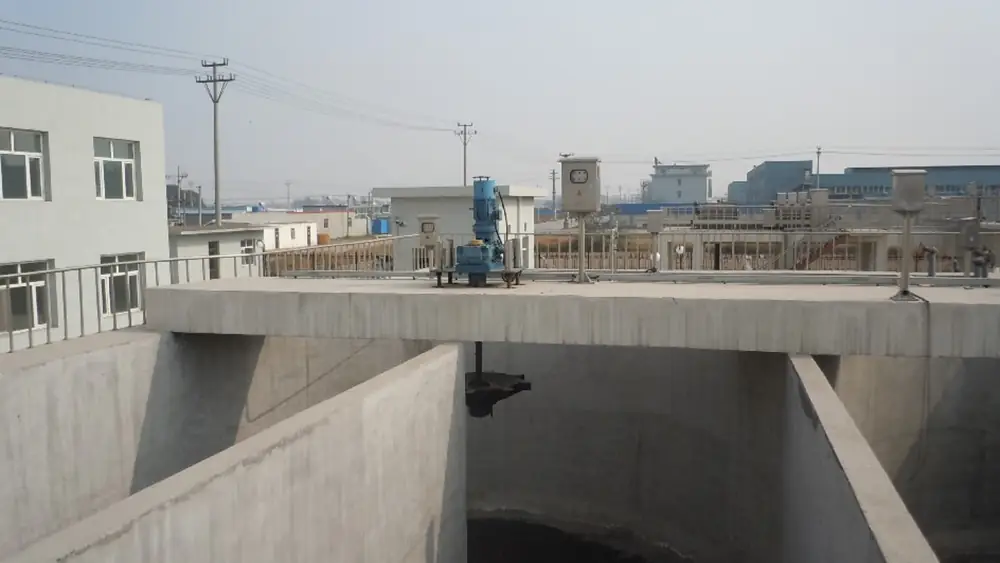
The DSB inverted-umbrella surface aerator is a vertical-shaft, low-speed surface aerator — the classic aeration equipment of the Carrousel oxidation ditch process. The drive unit sits on a platform above the water; only the inverted-umbrella impeller is submerged. It performs aeration, mixing and flow propulsion in a single unit, making it widely used in municipal and industrial biological treatment.
Working Principle
- The motor drives the inverted-umbrella impeller at low speed (typically 30–60 rpm) through a vertical reducer.
- The rotating impeller lifts bottom mixed liquor and sludge upward in a spiral, inverted-cone pattern.
- The ascending water is thrown outward from the impeller edge as a water curtain, creating a hydraulic jump that entrains large amounts of air.
- A negative-pressure zone behind the blades also draws air into the liquid.
- Oxygen dissolves as the surface is continuously renewed, while the strong rotation pushes the water forward through the ditch at more than 0.3 m/s, keeping the activated sludge suspended.
Key Features and Advantages
- Aeration + mixing + flow propulsion in one unit — ideal for oxidation-ditch circulation;
- Strong radial flow-pushing and a wide fully-mixed zone; high power efficiency (about 2–2.5 kgO₂/kWh);
- Self-cleaning, non-clogging impeller; reversible rotation available;
- Vertical reducer with no horizontal oil seal — eliminates shaft-end oil leakage; compact and lightweight;
- Adjustable immersion depth (±100 mm) via the lifting platform — oxygen output can be tuned to process demand;
- Variable-frequency drive (VFD) option for stepless speed control and energy saving;
- Motor mounted above the water — protected from splash and easy to maintain.
Applications
Carrousel oxidation ditches (single or multiple parallel ditches), municipal sewage treatment, industrial wastewater treatment (petroleum, chemical, printing & dyeing, leather, pharmaceutical, paper, food and gas industries), rivers and oxidation ponds.
Technical Parameters
Standard conditions: clean water at 20 °C, 1 atm. In wastewater, oxygen transfer is typically about 80–85 % of the clean-water value. Larger and smaller impeller diameters are available on request.
Table 3. DSB series — main technical parameters
| Model | Power (kW) | Oxygenation(kgo2/h) | Speed(r/min) |
| DSB-1400 | 11 | 20 | 62 |
| DSB-1650 | 15 | 26 | 52 |
| DSB-2550 | 30 | 58 | 43 |
Type Comparison and Selection Guide
The table below summarizes the four aerator families at a glance so buyers can shortlist the right technology for their project.
Table 7. Aerator type comparison
| Type | Core technology | Power range | Max depth | Blower required | Best-fit applications |
| QXB | Centrifugal self-priming (submersible) | 0.75–22 kW | ≤ 4 m | No | Aeration tanks, oxidation ditches, grit chambers, ponds |
| QSB | Jet (Venturi), submersible | 0.75–7.5 kW | ≤ 5.5 m | No | Deep tanks, variable water level, clog-prone media |
| DSB | Inverted-umbrella surface | 11–45 kW | Ditch 3–6 m | No | Carrousel oxidation ditches, municipal & industrial wastewater |
Selection Steps
- Determine the required oxygen demand (kgO₂/h) and the dissolved-oxygen set point.
- Confirm the tank shape, dimensions and water depth.
- Evaluate the water quality — temperature, pH, BOD/COD and suspended solids.
- Choose the technology family: submersible aerators (QXB, QSB) for enclosed or deep tanks and ponds; surface aerators (DSB, PEL, ZSQ, ZD) for open oxidation ditches and shallow tanks.
- For oxidation ditches, select the DSB inverted-umbrella aerator for Carrousel circulation, or the PEL / rotary brush / rotary disc aerators for plug-flow layouts; match the impeller or brush diameter to the ditch width.
- Select the model by oxygen transfer capacity and service area, then choose materials — carbon steel for normal municipal sewage; 304/316 stainless steel for corrosive industrial wastewater.
Get a Model Recommendation
Every project is different. Send our engineers your tank dimensions, water depth and oxygen demand, and we will recommend the right aerator type, model and layout.