I. Overview
Bar screen is the core pretreatment equipment of wastewater treatment systems, widely installed at the front end of sewage pumping stations and treatment plants to intercept sundries such as branches, plastic bags, fiber strips, gravel and domestic garbage in raw sewage. It effectively prevents large impurities from entering pumps, pipelines and subsequent treatment units to avoid blockage, abrasion and equipment failure.
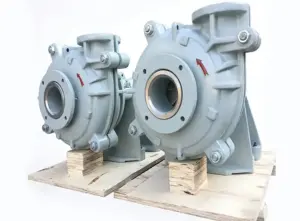
Different from simple manual grille, automatic mechanical bar screen realizes continuous automatic slag collection and slag discharge, greatly cutting manual cleaning workload. It matches perfectly with horizontal self-priming sewage pumps, forming a complete sewage lifting pretreatment system. The equipment adapts to municipal domestic sewage, chemical, food, printing and dyeing industrial wastewater, river intake pretreatment and other working conditions, solving industry pain points including frequent pump clogging, high manual maintenance cost and unstable system operation caused by uncontrolled sundry inflow.
II. Core Working Principle & Structural Design
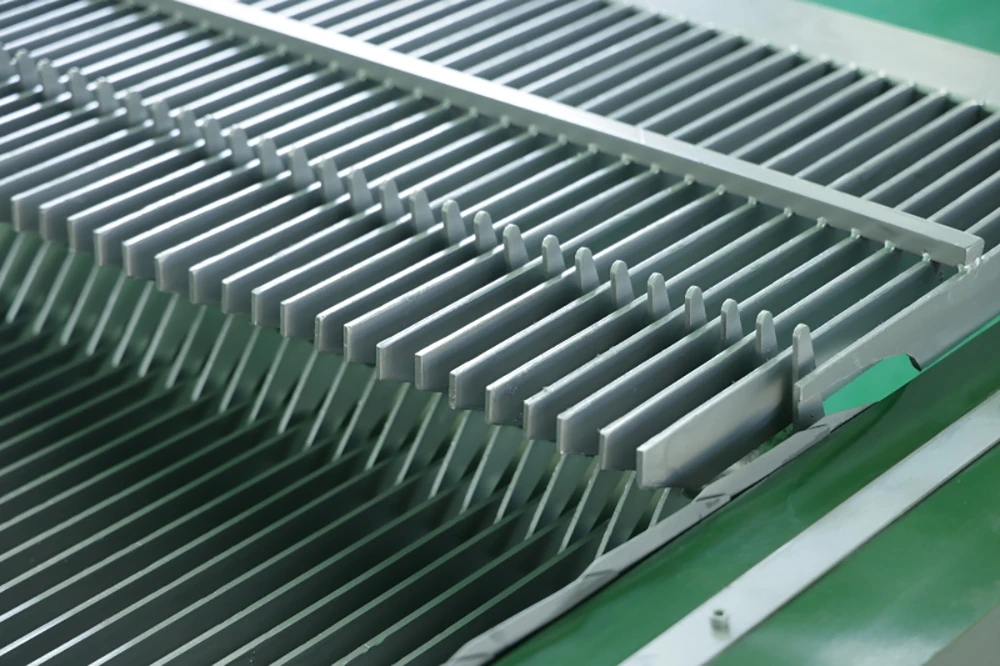
This equipment adopts inclined installation structure with tooth rake chain drive system. The screen rack is arranged with parallel grid bars with fixed gaps. When sewage flows through the screen surface, solid impurities are blocked on the front of grid bars. Driven by the reducer, the rake teeth circulate upward along the screen surface, hook intercepted slag out of the water surface, and push sundries into the slag hopper through the slag scraper at the top for centralized collection. After slag discharging, the rake teeth reset and circulate to complete uninterrupted interception operation.
Key optimized anti-blocking & corrosion-resistant structure
1. Grid gap customization: Coarse screen 10–50mm, medium screen 5–10mm, fine screen 3–5mm; fine gap models target industrial wastewater with tiny fiber impurities.
2. Full stainless steel flow-passing parts: 304/316 stainless steel grid bars, rake teeth and frame, resisting acid, alkali and chloride corrosion, suitable for chemical and marine wastewater.
3. Closed chain drive with self-cleaning brush: Prevent sundries from winding on transmission components, reduce stuck failure and extend service life.
4. Overload protection device: Automatic shutdown and alarm when foreign matter jams the rake tooth, avoiding motor burnout and structural deformation.
III. Core Product Advantages
1. Complete impurity interception, protect downstream pump equipment
Effectively intercept all kinds of large and tiny solid pollutants. Combined with horizontal self-priming sewage pump, the pump impeller clogging rate drops by over 90%, greatly lowering pump maintenance frequency and seal replacement cost. It eliminates frequent shutdown cleaning caused by sundry winding.
2. Fully automatic intelligent operation, low labor cost
Equipped with PLC automatic control system, supporting continuous operation or intermittent start-stop according to water level difference. Built-in remote monitoring, fault early warning and linkage function with pump station central control system. No full-time operator on duty is required for daily running, cutting labor expenditure significantly.
3. Modular integrated design, flexible installation & short construction cycle
Integrated whole machine structure without complex on-site assembly; can be embedded in new concrete tank or retrofitted to old pumping station channels. Multiple width and inclination angle specifications are optional, supporting customized size matching different water channel flow. Small footprint, no complicated civil foundation transformation required.
4. Wide media adaptability, multiple material options
- Carbon steel with anti-rust coating: For general municipal domestic sewage, cost-effective for conventional projects.
- SUS304 stainless steel: For freshwater, river intake and general industrial wastewater.
- SUS316 stainless steel: For chemical, printing and dyeing, salt-containing and acidic/alkaline corrosive wastewater.
Applicable scenarios cover municipal sewage plants, industrial workshops, river water intake stations, septic tank pretreatment and emergency drainage projects.
IV. Core Application Scenarios
1. Municipal Wastewater Treatment Plants
Installed at the water inlet of urban and county sewage treatment plants and regional sewage pumping stations. Intercept daily domestic garbage, cloth strips and leaves in raw sewage to protect subsequent sedimentation tanks, horizontal self-priming sewage pumps and sludge treatment equipment. Medium and fine bar screens are mostly adopted; matched with automatic slag conveyor to realize unmanned continuous pretreatment, widely used in new-built third and fourth-tier city sewage plants and old factory renovation projects.
2. Industrial Wastewater Treatment
- Applied to chemical, pharmaceutical, food processing, textile printing and dyeing factories. Industrial wastewater contains chemical fiber, food residue, chemical sediment and corrosive medium, requiring fine-gap 3–5mm stainless steel bar screens with strong anti-corrosion performance. It avoids pipeline blockage and pump abrasion caused by industrial residues, helping factories meet national discharge standards.
3. River Water Intake & Agricultural Irrigation Pumping Stations
Set at river intake channels to intercept dead branches, aquatic plants, gravel and floating garbage in seasonal fluctuating river water. Cooperates with horizontal self-priming sewage pumps to guarantee stable water supply for urban landscape water replenishment and farmland irrigation; inclined structure adapts to flood season high water level operation without equipment flooding risk.
4. Emergency Drainage & Temporary Sewage Projects
Small mobile integrated bar screen is available for construction foundation pit drainage, urban rainstorm waterlogging emergency treatment and temporary septic tank transfer. Lightweight structure, fast hoisting and deployment without fixed channel civil works.
V. Key Indicators for Bar Screen Selection
1. Grid gap: Coarse bar screen for large floating garbage; medium screen for municipal sewage; fine bar screen for industrial wastewater with tiny fiber impurities.
2. Material configuration: Coated carbon steel for freshwater low-corrosion working conditions; SUS304/SUS316 stainless steel for corrosive wastewater and long-term outdoor use.
3. Processing flow width: Match the actual channel width to avoid sewage bypass and incomplete interception.
4. Intelligent configuration: Select models with remote monitoring and fault alarm for large pumping station unmanned operation; basic mechanical type for small simple projects to control cost.
Mainstream complete specifications: Channel width 300–3000mm, processing flow 50–5000m³/h, supporting power 0.75–7.5kW. Explosion-proof motors and anti-corrosion customized versions can be provided for chemical flammable and corrosive environments.
VI. Comparison: Automatic Mechanical Bar Screen VS Manual Simple Grille
1. Operation mode
Mechanical bar screen runs automatically 24h with PLC control; manual grille requires regular manual slag fishing, heavy labor.
2. Interception efficiency
Continuous full-flow interception, no overflow leakage; manual grille easily causes garbage overflow when cleaning.
3. Maintenance cost
Long maintenance cycle, only regular lubrication of transmission parts; frequent cleaning required, easy to cause downstream pump clogging and extra pump repair cost.
4. Service life
Stainless steel models serve 15–25 years; manual grille thin steel sheet is easy to rust and deform, replacement cycle within 3–5 years.
Defect limitation: Ultra-large flow super-wide channels need multi-unit parallel installation; tiny dissolved pollutants cannot be intercepted, and secondary sedimentation tank process is required for further purification.
VII. Market Industry Background & Development Trend
The global wastewater treatment bar screen market scale exceeded $4.5 billion in 2025, with a year-on-year growth of 8.3%, and the five-year compound growth rate stays above 8%. Asia is the core growth engine of the global market: China occupies nearly 40% global market share driven by municipal pipe network construction and industrial environmental protection upgrading. Southeast Asia and South Asia’s rapid urbanization bring continuous incremental demand, and Chinese equipment gains market recognition for stable quality and short delivery cycle.
Intelligentization and modularization are the core technological competition directions. Products equipped with central control linkage, automatic cleaning frequency adjustment and fault warning become mainstream. In the next 3–5 years, high-precision, anti-corrosion and low-energy-consumption bar screens will be the mainstream demand, and Southeast Asian emerging markets will remain the key growth region of the global market.
VIII. Conclusion
As the first barrier of wastewater treatment system, bar screen solves the hidden trouble of downstream pump and pipeline blockage caused by sundries in raw sewage. Matched with horizontal self-priming sewage pump, it forms a complete set of sewage lifting pretreatment system. With automatic operation, wide medium adaptability and flexible installation advantages, mechanical bar screen becomes standard supporting equipment for municipal sewage plants, industrial wastewater stations and river intake projects, providing reliable wastewater treatment plant bar screens solutions.
Benefiting from global water environment governance and industrial zero-discharge policy promotion, bar screen equipment will maintain steady market demand growth in the long run.