The handling of abrasive slurries—mixtures of liquid and solid particles—persists as a core challenge across mining, construction, dredging, and industrial processing. Standard dewatering pumps, designed primarily for clean or lightly contaminated water, frequently fail when exposed to high-density fluids containing sharp, coarse solids. The global submersible slurry pump market reflects this growing demand: according to a 2025 report by Research and Markets, the solids-handling submersible pump segment is projected to expand steadily over the next decade, driven by increasing requirements in mining, infrastructure, and wastewater treatment (Source: Solids Handling Submersible Pump Market – Global Forecast to 2030).
The SS Series Heavy Duty Submersible Slurry Pump addresses these challenges through a combination of wear-resistant metallurgy, integrated agitation, and multi-layered sealing protection. This article examines the pump’s design, specifications, applications, and the technical rationale behind its configuration.
What Is the SS Series Heavy Duty Submersible Slurry Pump?
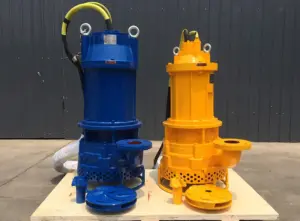
The SS Series is a heavy-duty electric submersible slurry pump engineered for continuous operation in abrasive, high-density slurry environments. Unlike conventional submersible pumps that prioritise flow efficiency for clean water, the SS Series is built with wet-end components—pump casing, impeller, backplate, and agitator—cast from 27% chromium white iron. This high-chrome alloy provides exceptional hardness, typically exceeding 600 Brinell, making it suitable for handling sharp, coarse particles in mining tailings, ore transport, and similar applications.
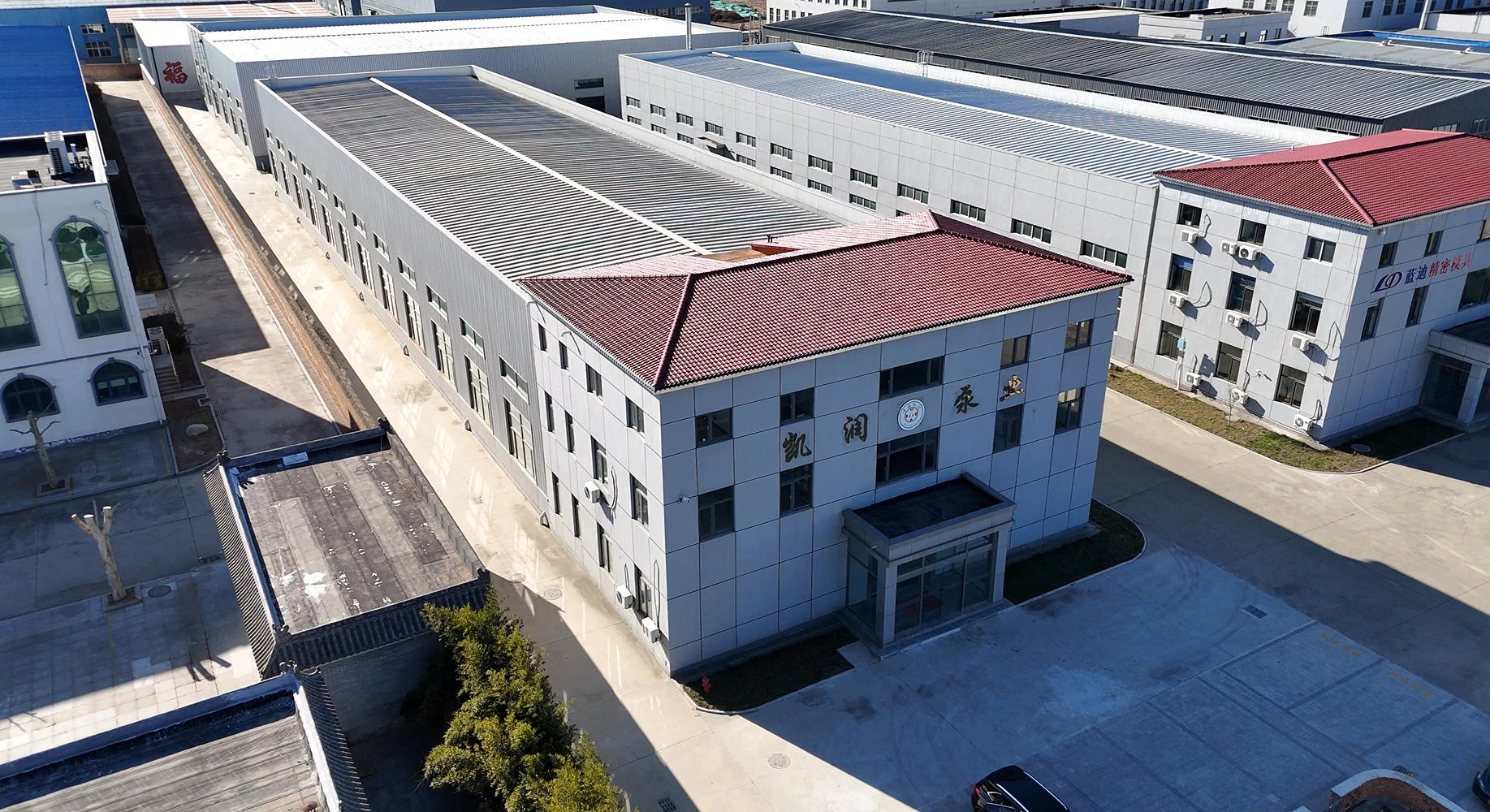
With its integrated agitator, the pump functions effectively as a slurry agitator pump: the rotating agitator fluidises settled solids, preventing the common problem of “pumping clear water while solids accumulate”, which often leads to dry running and motor burnout. The pump operates fully submerged, eliminating the need for suction piping, priming systems, or support structures. This submersible configuration reduces installation footprint, simplifies deployment, and enables operation in confined spaces such as mine sumps, quarry pits, and tailings ponds. Every unit is produced by a specialised slurry pump factory that follows ISO 9001:2015 quality management systems, ensuring consistent material quality and dimensional accuracy.
Core Design Features and Technical Specifications
Wet–End Metallurgy
The SS Series wet end—comprising the pump casing, impeller, backplate, and agitator—is manufactured from 27% chromium white iron. This material selection is critical for slurry pump durability: high-chrome white iron offers superior abrasion resistance in erosive conditions while maintaining sufficient toughness for most mining and industrial slurries. The backplate is replaceable, allowing operators to restore clearance and performance without replacing the entire casing.
Integrated Agitator
Each SS Series pump includes a standard integral agitator, also cast from 27% chromium white iron. Positioned below the impeller, the agitator rotates to break up sediment layers and create a homogeneous slurry mixture. This feature directly addresses a common failure mode in standard pumps. By maintaining solids in suspension, the agitator enables the pump to continuously handle high-concentration slurries. In practice, this design makes the SS Series a true slurry agitator pump that reduces manual sump cleaning and extends operating cycles.
Double Mechanical Seal with Oil Bath
The sealing system employs a double mechanical seal configuration with an oil bath intermediate chamber. The wet-end seal (carbon/ceramic) and drive-end seal (tungsten/ceramic) are separated by an oil-filled chamber that lubricates both seal faces, provides a buffer between the pumped slurry and the motor, and houses a leakage detection probe. When the probe detects water ingress into the oil chamber (indicated by milky oil), operators receive early warning before slurry reaches the motor. This two-stage defence transforms a catastrophic failure mode—sudden motor burnout from water ingress—into a manageable maintenance event.
Motor Protection
The motor is rated Class F insulation as standard for ambient temperatures up to +40°C, with Class H insulation available as an option for environments up to +70°C. Protection systems include stator temperature probes, thrust bearing temperature/humidity sensors, and the oil chamber leakage probe. An optional external cooling jacket, supplied with clean water circulation, extends operating range in high-temperature slurry applications.
Hydraulic Performance Range
The SS Series offers 72 power ratings from 7.5 kW (10 hp) to 315 kW (420 hp), covering discharge diameters from 80 mm (3.15 inches) to 400 mm (16 inches). Flow rates range from 23 m³/h (100 USGPM) to 2,400 m³/h (10,560 USGPM), with maximum head up to 64 metres (210 feet) depending on the model. Maximum solids passage is 60 mm (approximately 2.4 inches), enabled by large cut-water clearance that reduces clogging and localised erosion.
Certifications
The SS Series is manufactured under ISO 9001:2015 quality management systems and carries CE certification (2014/35/EU) for the European market. This certification confirms that the electric submersible slurry pump meets essential health, safety, and environmental protection requirements for the European Economic Area.
Key Applications and Industry Distribution
Based on field application tracking, the SS Series serves the following industry segments:
- Mine dewatering and sump pumping (approximately 40%): underground mine sumps, open-pit floor dewatering, and tunnel drainage where water contains drill cuttings, blasting debris, and sedimentary solids.
- Dredging, sand extraction, and aggregate recovery (approximately 25%): river and canal dredging, sand and gravel pit dewatering, and material recovery from settling ponds.
- Tailings return water, power plant ash handling, and chemical slurry transfer (approximately 20%): transport of mill tailings, fly ash slurries, and chemical process slurries.
- Other applications (approximately 15%): construction site dewatering, tunnel boring, steel mill scale pit cleaning, and similar abrasive-handling duties.
In each of these settings, the pump’s ability to act as a reliable slurry agitator pump proves essential, as settled solids are continuously re-suspended and moved toward the impeller inlet.
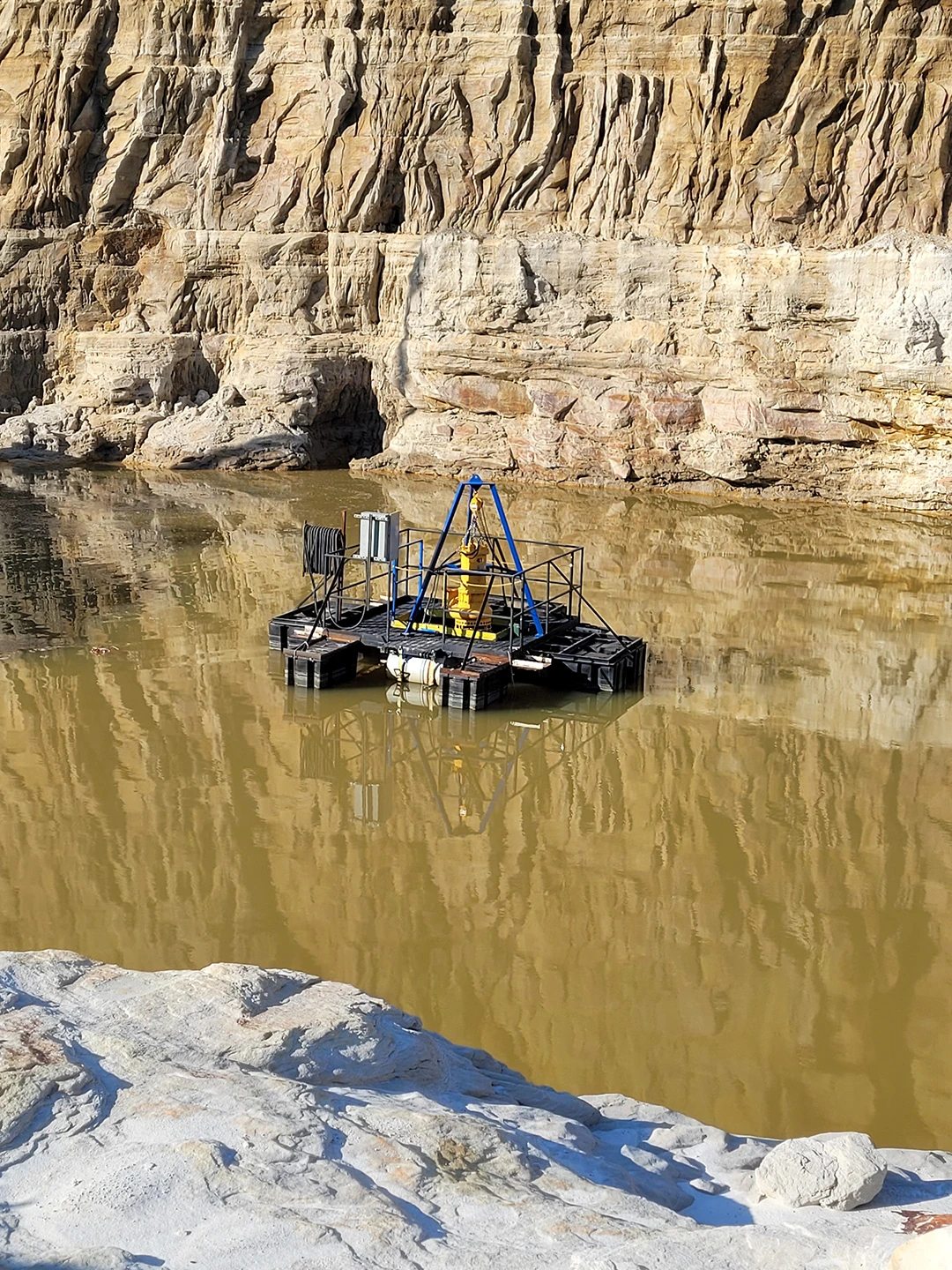
Case Study: Open–Pit Limestone Mine
An open-pit limestone mine faced persistent pump failures during seasonal rains. Runoff combined with blasting debris created slurry with specific gravity of 1.3–1.5, containing rock fragments up to 50 mm. Conventional submersible pumps experienced two blockages per month on average and approximately one motor burnout annually, requiring crane-assisted pump retrieval and costly production delays.
The mine replaced its existing pumps with SS 100-18-11 and SS 150-15-15 models, sized according to sump volume and required head. The integral agitator maintained solids in suspension, preventing the “pump water, leave solids” condition that previously led to dry running. The large cut-water clearance allowed occasional coarse fragments to pass without jamming, and the double mechanical seal with oil bath kept slurry away from the motor. A support frame with circular base and strainer prevented the pump from settling into soft sediment, while high-temperature operation was accommodated with Class H insulation and cooling jacket provisions.
During the following rainy season, the mine reported zero blockages or seal-related failures. Maintenance shifted from monthly repairs to weekly visual inspections and quarterly oil sample analysis. The mine operator noted that the higher initial pump cost was insignificant compared with the expense of production stoppages and crane mobilisation. This case illustrates how a properly selected electric submersible slurry pump from a qualified slurry pump factory can reduce total cost of ownership in harsh environments.
How Does the SS Series Compare with Standard Submersible Pumps?
Standard submersible pumps are designed for clean water or lightly contaminated liquids, with thin castings, narrow flow passages, and single mechanical seals. When exposed to abrasive slurries, they experience rapid wear, frequent clogging, and seal failure. In contrast, the SS Series is purpose-built for slurry service. The table below summarises key differences:
| Feature | Standard Submersible Pump | SS Series Slurry Pump |
| Wet-end material | Cast iron, bronze, or stainless steel | 27% Cr white iron |
| Agitator | Usually not provided | Integral 27% Cr agitator |
| Seal configuration | Single mechanical seal | Double mechanical seal with oil bath |
| Solids passage | Limited (< 25 mm typical) | Up to 60 mm |
| Wear life in abrasive service | Weeks to months | Months to years |
This comparison highlights why many operations choose the SS Series when they need a robust slurry agitator pump that can handle high-density, particle-laden fluids without frequent intervention.
Return on Investment Considerations
While the SS Series carries a higher initial cost than standard pumps, total cost of ownership analysis favours the slurry pump in abrasive applications:
- Reduced pump replacement frequency: high-chrome white iron wet ends provide service life 3–5 times longer than conventional materials in abrasive environments.
- Lower maintenance labour: fewer emergency interventions reduce crane, crew, and supervision costs.
- Minimised production downtime: unplanned pump failures in mining and processing often cost more in lost production than the pump itself.
- Agitator efficiency: the agitator consumes minimal additional power relative to total pump input, but eliminates the cost of manual sump cleaning and the risk of dry-running damage.
For large-scale operations, sourcing this equipment from a reputable slurry pump factory ensures consistent metallurgy and assembly quality, further improving reliability.
FAQ
Q1: What is the difference between a submersible slurry pump and a standard submersible pump?
A1: Standard submersible pumps are designed for clean or lightly contaminated water, with thin castings, narrow passages, and single seals. Submersible slurry pumps like the SS Series use 27% chromium white iron wet ends, large clearances for solids passage, integral agitators to fluidise settled material, and double mechanical seals with oil bath protection. The slurry pump is built to operate continuously in abrasive, high-density mixtures where a standard pump would fail rapidly. In other words, the SS Series is a true slurry agitator pump with enhanced solids-handling capability.
Q2: What is the maximum solid size the SS Series can handle?
A2: The maximum solids passage is 60 mm (approximately 2.4 inches), though this varies by model. Smaller discharge sizes (80–100 mm) typically handle 12–20 mm solids, while larger models (200–400 mm) accommodate up to 60 mm. Selection should consider the particle size distribution (d85) rather than just the maximum particle size.
Q3: Does the agitator consume significant extra power?
A3: The agitator consumes a relatively small portion of total pump power. Its function is to fluidise settled solids using tip-speed rotation rather than high-torque mixing. The operational benefit—continuous pumping without dry running, reduced manual cleaning, and elimination of “pump water, leave solids” conditions—typically outweighs the modest additional power consumption. This makes the electric submersible slurry pump more efficient in real-world slurry applications.
Q4: What happens if the motor becomes submerged or water enters the seal chamber?
A4: The SS Series double mechanical seal with oil bath provides two layers of protection. The oil chamber sits between the wet-end seal and the motor, with a leakage detection probe. If the wet-end seal fails, slurry enters the oil chamber (visible as milky oil) and triggers the probe before water reaches the motor. Routine maintenance includes checking oil condition and probe readings; milky oil indicates a planned seal replacement rather than a sudden motor burnout.
Q5: What certifications does the SS Series carry?
A5: The SS Series is manufactured under ISO 9001:2015 quality management systems and carries CE certification (2014/35/EU). Motors meet Class F insulation standards as standard, with Class H available for elevated temperatures. These certifications are a testament to the production standards maintained at the slurry pump factory where the pump is built.
Q6: Can the SS Series handle corrosive slurries?
A6: The standard 27% chromium white iron wet end is primarily wear-resistant and performs well in neutral to mildly acidic slurries. For strongly acidic or corrosive environments, the pump can be specified with alternative materials including 316 stainless steel or duplex stainless steel, with corresponding seal face upgrades. Material selection should be based on detailed slurry analysis including pH, temperature, and chloride content.
Conclusion
The SS Series Heavy Duty Submersible Slurry Pump combines 27% chromium white iron wet ends, an integral agitator, a double mechanical seal with oil bath, and flexible power ratings to provide a durable solution for abrasive slurry handling. Its design as a dedicated slurry agitator pump ensures that settled solids are kept in suspension, while its manufacturing pedigree from a specialised slurry pump factory guarantees consistent quality. Whether deployed in mine dewatering, dredging, or tailings transport, this electric submersible slurry pump offers a measurable reduction in unplanned downtime and maintenance costs. The market data cited earlier underscores the growing need for such robust equipment, and field experience confirms that the SS Series delivers on its promise of reliable, long-term service in the most demanding conditions.