Introduction
Submersible sewage pumps are essential underwater fluid handling equipment for global wastewater treatment, flood drainage, and water circulation projects. In 2026, the global export market for Chinese submersible sewage pumps continues steady growth, driven by booming overseas infrastructure construction, upgraded environmental protection standards, and rising demand for efficient water treatment solutions worldwide. With a year-on-year export growth of 11.2%, Chinese manufacturers now hold over 35% of the global mid-end market, serving municipal, industrial, and ecological governance projects across Southeast Asia, the Middle East, Africa, Europe, and North America.
Unlike conventional floor-mounted water pumps, modern submersible sewage pumps adopt an integrated fully submersible design. They combine sewage lifting, solid-liquid conveying, sludge dredging, and water circulation functions in one compact unit. Requiring no complex pipelines or blower systems, these pumps solve common industry pain points including pipeline blockage, sludge deposition, low energy efficiency, and high maintenance costs. As reliable, cost-effective, and low-carbon water treatment equipment, they have become the preferred choice for new installations and renovation projects in global water environment governance.
Submersible Sewage Pump Product Description
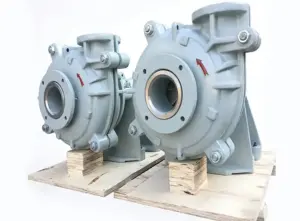
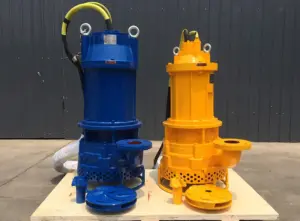
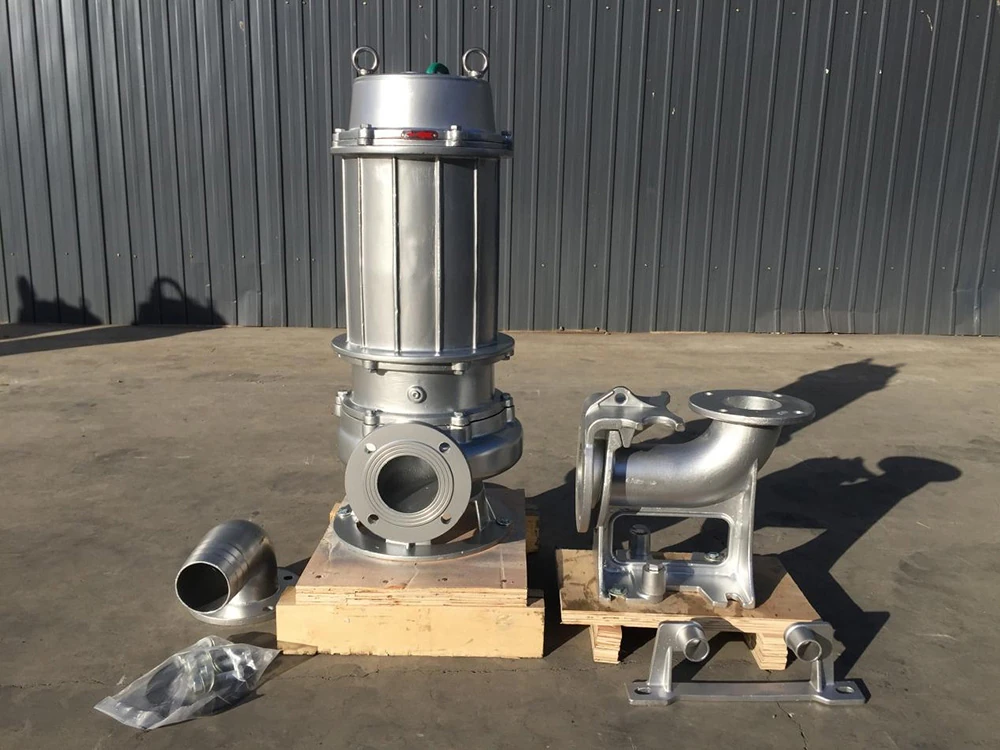
A submersible sewage pump is a sealed integrated pumping device composed of a waterproof submersible motor, corrosion-resistant pump body, precision sealing system, and intelligent protection module. The entire unit operates fully submerged in water, enabling 24-hour continuous stable operation in sewage, sediment-laden water, and corrosive wastewater environments.
All standard models feature IP68 full waterproof protection and built-in overheat, overload, and leakage prevention systems, ensuring long-term durability under harsh working conditions. To meet diversified 2026 overseas market demands, products are fully serialized with power ranging from 0.75kW to 132kW, covering small integrated sewage treatment facilities and large municipal pumping stations.
Manufacturers provide targeted material configurations for different scenarios. Regular cast iron and carbon steel models deliver high cost performance for municipal domestic sewage projects. Custom 304/316L stainless steel versions resist acid, alkali, and salt corrosion, ideal for chemical, printing and dyeing, and marine wastewater treatment. New-generation 2026 products are equipped with intelligent monitoring modules to track temperature, vibration, and flow in real time, matching the intelligent upgrade trend of global environmental protection projects.
Compared with traditional split pumping systems, submersible sewage pumps eliminate bulky ground facilities and complex pipeline layouts. They reduce civil engineering investment, lower operating noise, and minimize daily maintenance workload, delivering higher operational stability and comprehensive cost advantages for global end users.
Working Principle of Submersible Sewage Pumps
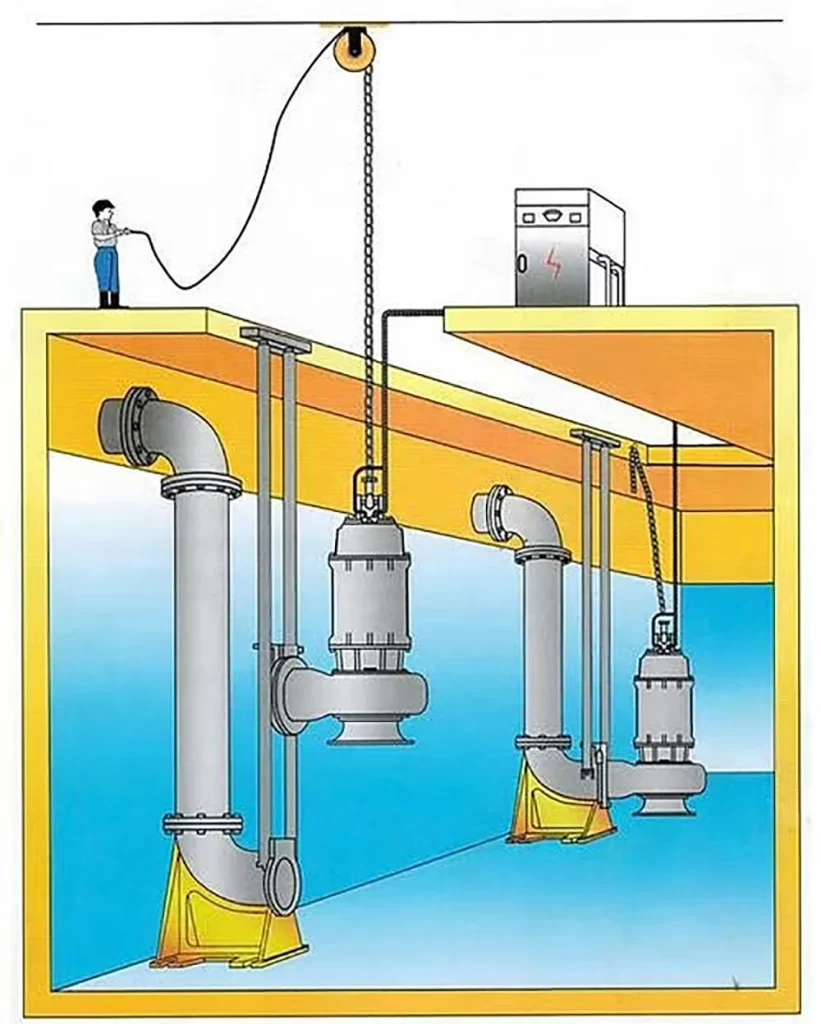
The submersible sewage pump operates based on centrifugal fluid mechanics, achieving automatic sewage suction, pressurization, and discharge through integrated underwater structural design. When powered on, the fully sealed submersible motor drives the built-in impeller to rotate at high speed inside the pump chamber.
High-speed impeller rotation generates stable negative pressure at the pump inlet, continuously sucking sewage containing sludge, suspended solids, and fibrous impurities into the pump body. Under strong centrifugal force, the mixed water and impurities are fully stirred and pressurized inside the chamber. This process avoids local sediment deposition and pipeline blockage, realizing uniform water mixing and stable pressurized water output.
The directional circulating water flow completes sewage lifting, pool dredging, and water body replacement without manual intervention. The fully submerged structure completely avoids cavitation defects of traditional ground pumps, ensuring stable water pressure and consistent flow. Optimized hydraulic structural design reduces fluid resistance and energy loss, enabling over 20% energy saving compared with conventional pumping equipment. This energy-efficient performance fully complies with global low-carbon environmental protection standards in 2026, enhancing product competitiveness in overseas high-end markets.
Main Impeller Types of Submersible Sewage Pumps
The impeller serves as the core component determining a submersible sewage pump’s anti-clogging capability, conveying efficiency, and service life. To adapt to diverse global working conditions in 2026, mainstream submersible sewage pumps adopt three professional impeller types, covering all common sewage treatment scenarios.
Single/Double Channel Non-Clogging Impeller
This impeller features a wide curved flow channel with no dead corners, providing strong particle passing capacity. It smoothly discharges large sediment, suspended solids, and soft fibrous impurities without entanglement or blockage. As the most widely used type in overseas markets, it suits conventional municipal sewage treatment, residential sewage discharge, and urban river dredging projects with stable performance and ultra-low failure rate.
Cutting-Type Impeller
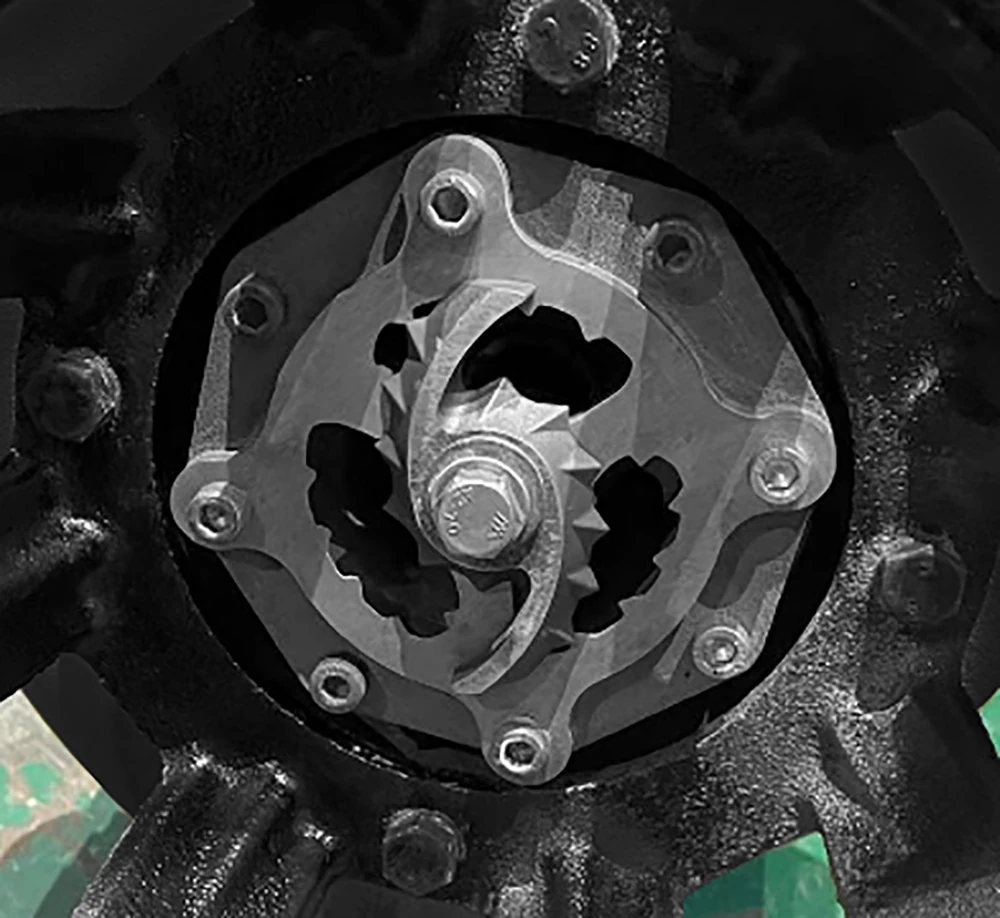
Equipped with high-hardness alloy cutting blades, the cutting impeller crushes plastic strips, long fibers, branches, and mixed debris into fine particles during operation. It realizes integrated crushing and conveying, solving blockage problems in complex impurity-rich sewage. In 2026, the export volume of cutting-type submersible sewage pumps increases by 18.5% year-on-year, perfectly matching rural sewage, market sewage, and complex water environment projects in Southeast Asia and Africa.
Vortex-Type Impeller
With a hidden vortex structure, this impeller generates powerful rotating water flow to drive suspended solids and sewage movement without direct contact with impurities. It effectively reduces mechanical wear and adapts to high-corrosion and high-abrasion working conditions. It is widely used for chemical wastewater, printing and dyeing wastewater, and mine drainage projects, delivering extended service life in harsh industrial environments.
Core Application Fields of Submersible Sewage Pumps
Benefiting from their strong adaptability, stable performance, and low operating costs,submersible sewage pumps are widely applied in municipal construction, industrial production, ecological governance, flood control, and special marine engineering. In the 2026 global market, the Asia-Pacific region dominates with 41.5% of total demand, while the Middle East and Africa become the fastest-growing emerging markets with a year-on-year growth rate of 8.3%.
Municipal Environmental Protection Engineering
This is the core application scenario for submersible sewage pumps. They are extensively used in urban sewage treatment plants, community sewage discharge, municipal pipe network dredging, and pumping station renovation. Replacing traditional inefficient ground pumps, they reduce municipal construction and maintenance costs, effectively improving urban sewage treatment efficiency for overseas urban renewal projects in Central Asia, Southeast Asia, and other regions.
Industrial Production Wastewater Treatment
Customized anti-corrosion and wear-resistant submersible sewage pumps are applicable to chemical, printing and dyeing, papermaking, food processing, and mining industries. They stably convey acidic, alkaline, and high-sediment industrial wastewater, eliminate pipeline blockage and sludge deposition, and help overseas industrial parks meet international environmental discharge standards.
Ecological Water Body Governance
Submersible sewage pumps drive continuous water circulation to eliminate stagnant water dead zones, reduce sludge deposition, and improve water self-purification capacity. They are widely used in black and odorous river treatment, lake ecological restoration, and rural water environment improvement projects, providing reliable technical support for ecological governance in developing countries.
Urban Flood Control and Drainage
Against the backdrop of frequent global extreme weather in 2026, high-power submersible sewage pumps play a key role in urban flood control. With fast startup speed and large water delivery volume, they are used for road waterlogging drainage, underground garage water removal, and reservoir water level regulation, guaranteeing urban operational safety.
Marine and Special Engineering
Fully sealed anti-corrosion customized models adapt to high-salt and high-humidity marine environments. They are suitable for offshore platform sewage discharge, port water cleaning, and salt lake water treatment, filling the market gap of high-end special pumping equipment for overseas marine engineering projects.
Conclusion
In 2026, global environmental protection upgrading and infrastructure expansion continue to drive robust demand for submersible sewage pumps. Featuring integrated design, diverse impeller options, high energy efficiency, and low maintenance, submersible sewage pumps have become indispensable core equipment for global water treatment and water conservancy projects. Chinese manufacturers rely on serialized products, customized solutions, and mature engineering experience to continuously expand global market share. With broad application prospects in emerging markets such as the Middle East, Africa, and Central Asia, submersible sewage pumps will further empower global low-carbon environmental governance and urban infrastructure upgrading.