Introduction
In water control projects, sluice gate performance directly affects system reliability, maintenance requirements, and long-term operating costs. As a key flow control device, a sluice gate needs to maintain stable operation under different operating conditions.
In practical applications, many projects still encounter problems such as water leakage caused by insufficient sealing performance, gate blockage caused by sediment accumulation, corrosion damage in harsh environments, or difficulties during maintenance.
These problems are often caused by selecting a gate that is not suitable for the actual operating conditions. A sluice gate designed for one application may not deliver reliable performance in another. Factors such as water quality, corrosion level, operating frequency, pressure conditions, and control requirements can all influence the final selection.
Selecting a suitable sluice gate before project installation can prevent common problems such as leakage, difficult operation, and premature component replacement.
This article provides practical guidance to help project owners and engineers select a suitable sluice gate based on actual operating conditions and project requirements.
What Is a Sluice Gate and How Does It Work?
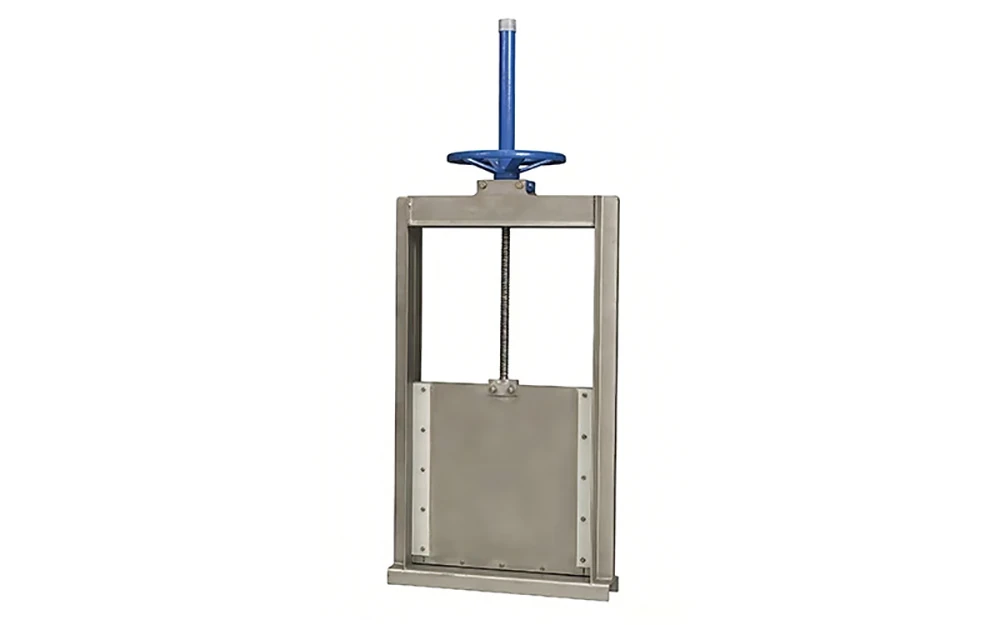
A sluice gate is a flow control device designed to regulate flow or isolate sections of a water system in channels, tanks, pipelines, and hydraulic structures. By moving the gate plate vertically, operators can adjust the opening size or isolate a specific section of the system.
The Basic Structure of a Sluice Gate
Gate Plate
The gate plate is the main component responsible for controlling water flow and withstanding hydraulic pressure. During operation, the plate moves vertically along the guide system to open or close the water passage.
The structural strength of the gate plate directly affects its ability to withstand hydraulic pressure and maintain reliable sealing performance.
Gate Frame
The gate frame, including the embedded guide slots, provides guidance for the movement of the gate plate. A properly designed frame helps ensure smooth gate movement, stable positioning, and accurate installation of sealing components.
Sealing System
The sealing system is designed to minimize water leakage between the gate plate and frame. Rubber sealing strips are commonly used as sealing components, with EPDM rubber often selected for its durability and resistance to chemicals and wastewater environments. A properly designed sealing system helps maintain effective water isolation and reduce leakage during operation.
Lifting Mechanism
The lifting mechanism controls the opening and closing movement of the gate.
Depending on project requirements, sluice gates can be operated manually or electrically. The selection of the operating method depends on factors such as gate size, operating frequency, and automation requirements.
Common Applications of Sluice Gates
Municipal Wastewater Treatment Plants
Municipal wastewater treatment plants are one of the most common application areas for sluice gates. In these systems, sluice gates are mainly used for flow control and section isolation during daily operation and maintenance.
Water Supply Plants and Pumping Stations
Water supply facilities and pumping stations require reliable flow control equipment to maintain stable operation. Sluice gates are commonly used in these systems for pipeline isolation, equipment maintenance, and water flow management.
Irrigation and Aquaculture Systems
Irrigation channels and aquaculture facilities use sluice gates to manage water levels and distribution. For outdoor applications, factors such as outdoor exposure, sediment accumulation, and operating frequency should be considered when selecting a suitable sluice gate.
Key Factors to Consider When Selecting a Sluice Gate
Choose the Right Material for Different Water Conditions
Material selection is one of the most important factors when choosing a sluice gate. Different operating environments may require different levels of corrosion resistance, durability, and structural strength.
| Material | Characteristics | Suitable Applications |
| 304 Stainless Steel | Provides good corrosion resistance and durability for general water control applications. | Municipal wastewater treatment plants, general water control systems, and standard industrial environments. |
| 316L Stainless Steel | Offers higher corrosion resistance than 304 stainless steel, especially in chloride-containing or highly corrosive environments. | Seawater applications, chemical wastewater treatment, and other highly corrosive conditions. |
| Carbon Steel with Anti-Corrosion Treatment | Provides good mechanical strength and can be considered when structural performance and cost control are important. | Applications where high mechanical strength is required and corrosion protection can be properly maintained. |
| Ductile Iron | Provides good mechanical strength and durability for traditional hydraulic applications. | Hydraulic projects where structural strength is a key consideration. |
Selecting the appropriate material according to water quality and operating conditions can help improve equipment durability and reduce maintenance requirements.
Consider Sealing Performance and Leakage Control
Sealing performance directly affects the reliability of a sluice gate. A poor sealing system may lead to continuous leakage, increased water consumption, and difficulties during maintenance operations.
When evaluating sealing performance, attention should be paid to several factors. The sealing material should maintain elasticity and sealing ability during long-term operation, while also providing resistance to aging and corrosive chemicals commonly found in wastewater applications. In addition, the sealing structure should maintain stable performance under repeated opening and closing cycles.
Select the Appropriate Operating Method
The operating method should be selected according to project size, automation requirements, and operating frequency.
Manual Sluice Gate
Manual operation is suitable for smaller systems or applications where frequent adjustment is not required.
Advantages include:
- Simple operation structure
- Lower maintenance requirements
- No additional power supply required
Electric Sluice Gate
An electric actuator is commonly selected for larger water control systems or projects requiring automated operation.
Advantages include:
- Easier operation control
- Improved operating efficiency
- Better integration with automation systems
For large wastewater treatment plants and pumping stations, electric sluice gates can provide more convenient operation management.
Evaluate Working Conditions Before Selection
Different operating environments may require different structural designs and material selections. The following factors should be considered when selecting a sluice gate for specific working conditions.
| Working Condition | Main Challenge | Key Considerations |
| High Water Pressure | Gate deformation and sealing issues | Strong gate structure, proper reinforcement, and suitable actuator capacity |
| Low Temperature | Lubrication and sealing material performance changes | Low-temperature lubricant and cold-resistant sealing materials |
| Sediment-Rich Water | Gate movement obstruction caused by sediment accumulation | Optimized guide structure and easier cleaning design |
Why Choose Kairun as Your Sluice Gate Manufacturer?
Customized Sluice Gate Solutions for Different Applications
Each water control project has unique requirements for materials, operation methods, and structural design. Kairun provides sluice gate solutions designed for various working conditions, with options including 304 stainless steel, 316L stainless steel, carbon steel with anti-corrosion treatment, and ductile iron.
The gates can be equipped with manual or electric operating systems according to project requirements. This flexibility allows Kairun sluice gates to meet the requirements of applications such as municipal wastewater treatment plants, water supply facilities, pumping stations, and other water control projects.
Reliable Sealing and Structural Performance
Sealing performance and structural strength are critical factors affecting sluice gate reliability. Kairun sluice gates use an EPDM composite sealing structure to improve water isolation performance and reduce leakage risks during long-term operation.
The gate plate adopts an integrated welded structure with internal reinforcement ribs, which improves load-bearing capability and helps maintain stable performance under different water pressure conditions. Combined with a durable sealing system, the design helps ensure reliable shut-off performance in demanding water control applications.
Integrated Design for Easier Installation and Maintenance
Kairun provides integrated gate and actuator solutions, with the gate structure and operating system assembled before delivery. This design reduces on-site installation requirements and helps reduce on-site installation time.
In addition, modular sealing components allow easier replacement during maintenance without requiring complete gate removal. This approach helps reduce maintenance workload and improve long-term operating efficiency.
Manufacturing Capability and Quality Assurance
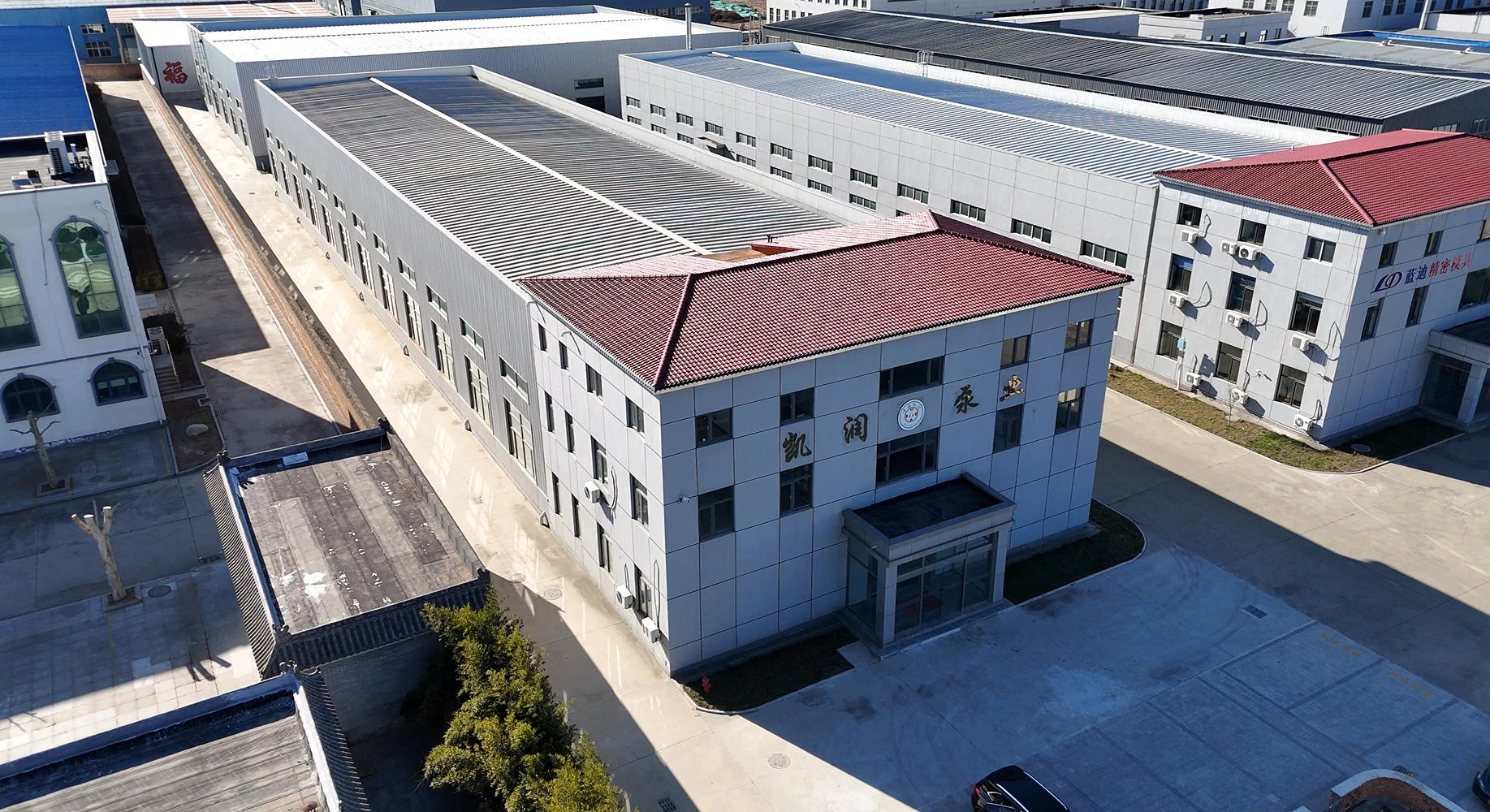
With nearly 20 years of experience in fluid equipment manufacturing, Kairun has expanded from a pump manufacturer into a provider of integrated water control solutions.
Supported by a production facility covering more than 9,000 square meters and a professional team of over 200 employees, Kairun provides reliable manufacturing capacity and project support for customers worldwide. The company follows strict quality management procedures and has obtained certifications including ISO 9001 quality management system certification and CE certification.
Application Case: Improving Maintenance Efficiency with Kairun Sluice Gate
A municipal wastewater treatment plant in Southeast Asia previously used an existing cast iron sluice gate system. Due to aging equipment and insufficient sealing performance, serious leakage occurred during operation.
The leakage problem caused difficulties in water level isolation. During equipment maintenance, the entire treatment tank had to be drained, resulting in longer maintenance time and additional water consumption.
Solution
Kairun provided a 304 stainless steel integrated sluice gate with an improved side sealing structure.
The upgraded gate was designed to improve sealing reliability and allow individual treatment sections to be isolated during maintenance operations.
Results
After installation:
- The gate achieved more stable sealing performance
- Individual treatment tanks could be isolated without draining the entire system
- Maintenance operations became more efficient
- Thousands of tons of water could be saved during individual maintenance operations
The improved solution helped reduce water loss and lower long-term operation costs while providing better adaptability for wastewater treatment conditions.
Frequently Asked Questions
Q1: How can sluice gates prevent blockage in sediment-rich water conditions?
A: For sediment-rich water applications, sluice gates can be designed with optimized guide structures and cleaning features to reduce sediment accumulation. Customized solutions, such as a clearance design at the bottom of the gate groove or flushing systems, can help maintain smooth gate operation.
Q2: Can a sluice gate be used for continuous flow regulation?
A: Yes. Sluice gates equipped with manual or electric screw lifting mechanisms can stop at different opening positions, allowing operators to adjust water flow according to operational requirements.
Q3: Which material is recommended for sluice gates in seawater environments?
A: For seawater applications, 316L stainless steel is commonly recommended because of its improved corrosion resistance. A suitable sealing material designed for marine environments should also be selected to ensure long-term operating reliability.
Conclusion
Choosing the right sluice gate is an important step in ensuring reliable water control system performance. The selection process should be based on actual project requirements, including water quality, operating conditions, sealing requirements, and operation methods.
A properly selected sluice gate can help improve flow control efficiency, reduce maintenance challenges, and provide stable performance throughout its service life. Working with an experienced sluice gate supplier with strong manufacturing capabilities can help project owners and engineers obtain a reliable solution that matches their specific application needs.
If you are looking for a suitable sluice gate solution for your water control project, contact Kairun to discuss your project requirements with our engineering team.