In the complex ecosystem of a wastewater treatment plant, few challenges are as persistent—and as costly to ignore—as the accumulation of grit in the grit chamber. Sand, gravel, eggshells, coffee grounds, and other heavy inorganic solids settle at the bottom of these chambers, gradually reducing effective volume, wearing down downstream equipment, and driving up maintenance costs. Enter the submersible slurry pump with agitator—a rugged, purpose-built solution that transforms grit removal from a labor-intensive chore into a continuous, efficient process.
What Is a Grit Chamber and Why Is It Problematic?
The grit chamber is the frontline defense in a wastewater treatment plant. Its job is simple: slow down the incoming wastewater flow so that heavy inorganic particles—sand, silt, gravel, and other abrasive solids—can settle out before they reach downstream treatment processes.
The problem? Once these solids settle, they don’t stay put. Grit compacts over time, forming a dense, abrasive layer on the chamber floor. Left unmanaged, this accumulation reduces the chamber’s effective capacity, accelerates wear on pumps and valves, and can even clog entire treatment trains. Traditional cleaning methods—manual dredging, external agitators, or jetting systems—are time-consuming, labor-intensive, and often require taking the chamber offline.
How a Submersible Slurry Pump with Agitator Solves the Problem
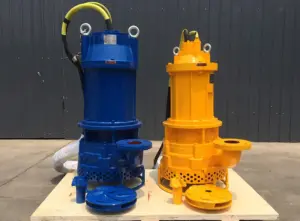
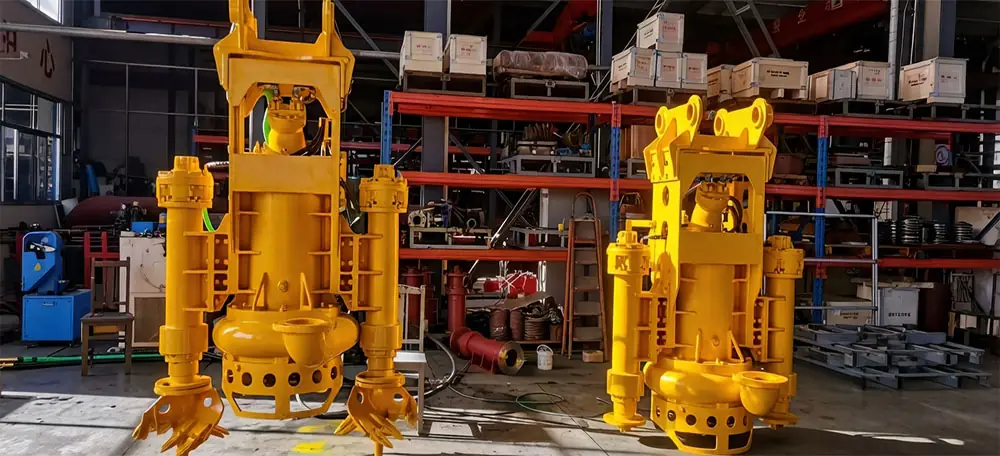
A submersible slurry pump with agitator addresses this challenge through a simple yet elegant design: an integrated agitator mounted at the pump’s base, directly above the suction inlet. This agitator—typically made of high-chromium cast iron for maximum abrasion resistance—rotates in sync with the pump’s motor, creating a powerful hydraulic shearing action that lifts settled solids back into suspension.
Here’s how it works in practice:
As the pump descends into the grit chamber, the agitator makes direct contact with the accumulated sediment layer. The rotating agitator generates intense turbulence, breaking up compacted grit and mixing it with the surrounding liquid to form a homogeneous slurry. The pump’s main impeller then draws this high-concentration slurry up through the suction inlet and discharges it to downstream dewatering or disposal systems.
The result? A single piece of equipment that both agitates and pumps—eliminating the need for separate mixing devices or manual intervention.
Key Features That Make These Pumps Ideal for Grit Chambers
High-Chromium Cast Iron Agitator
The agitator is the heart of the system—and in grit chamber applications, it needs to be exceptionally tough. High-chromium cast iron (typically Cr27 or higher, with hardness exceeding 58 HRC) provides the wear resistance necessary to withstand the relentless abrasion of sand and grit. This material choice dramatically extends service life compared to standard cast iron or rubber-lined alternatives.
Enhanced Solids Handling
A submersible slurry pump with agitator is engineered to handle solids that would choke a standard sewage pump. The combination of a semi-open or vortex impeller with the agitator minimizes clogging risk while enabling the pump to handle high-concentration slurries—often up to 45–60% solids by weight.
Continuous Operation in Low-Water Conditions
Grit chambers are often pumped down to very low levels, exposing pumps to the risk of overheating. Many agitator slurry pumps feature an integrated motor cooling jacket that maintains optimal motor temperature even during extended operation at low water levels. This allows the pump to run continuously until the chamber is thoroughly clean.
Top Discharge Design
A top discharge configuration allows the pump to sit directly on the chamber floor while routing the discharge piping vertically upward. This minimizes piping bends and friction losses while keeping the pump stable during operation.
Real-World Applications in Municipal Wastewater Treatment
The effectiveness of these pumps is not theoretical. Major manufacturers specifically list “wastewater treatment plant grit chamber” as a primary application for their agitator-equipped slurry pumps.
Case Example: In one municipal installation, a treatment plant upgraded from diaphragm pumps to a submersible pump with an extended shaft and small agitator. The new pump was positioned at the bottom of the grit chamber, pumping influent directly upward into a hydrocyclone for further processing. The result was more reliable operation, reduced downtime, and lower maintenance costs.
Another Approach: Some facilities employ a traveling bridge system with a submersible slurry pump with agitator mounted on a movable deck. As the bridge traverses the chamber, the pump transfers settled grit from the floor into a fixed trough, where it is washed, dried, and discharged to storage. This automated approach eliminates manual cleaning entirely.
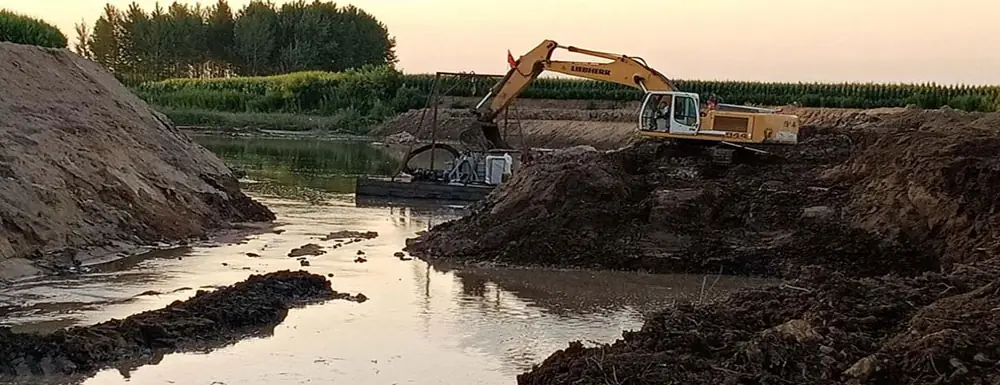
Floating Platform Configuration: For larger grit chambers, operators sometimes mount agitator pumps on floating platforms that can be winched to any position within the basin. The pump’s agitator stirs up settled solids while the main impeller delivers them to shore via pipeline.
Benefits Beyond Grit Removal
While grit chamber cleaning is the primary application, a submersible slurry pump with agitator delivers value across the entire treatment facility:
- Reduced labor costs: One pump does the work of multiple pieces of equipment and manual crews
- Lower capital expenditure: No need for separate agitators, mixers, or jetting systems
- Minimized downtime: Continuous operation means chambers stay clean without scheduled shutdowns
- Protection of downstream equipment: Removing grit early prevents abrasion of pumps, valves, and piping throughout the plant
- Improved treatment efficiency: Clean grit chambers operate at design capacity, ensuring proper flow dynamics
Selecting the Right Pump for Your Grit Chamber
When specifying a submersible slurry pump with agitator for grit chamber duty, consider these factors:
- Solids characteristics: Particle size, specific gravity, and abrasiveness
- Required flow and head: Match pump performance to your hydraulic requirements
- Chamber geometry: Depth, width, and accessibility
- Power supply: Voltage and phase availability
Operating temperature: Standard models handle up to 50°C, with high-temperature options available
Conclusion
The grit chamber may not be the most glamorous part of a wastewater treatment plant, but its reliable operation is essential to the entire treatment process. A submersible slurry pump with agitator offers a proven, cost-effective solution to the persistent challenge of grit accumulation—one that reduces maintenance, protects downstream equipment, and keeps treatment plants running at peak efficiency.
Whether you’re upgrading an existing facility or designing a new one, the integrated agitation and pumping capability of these rugged machines makes them an indispensable tool in the modern wastewater treatment arsenal. From the smallest municipal plant to the largest industrial facility, a submersible slurry pump with agitator delivers the performance, durability, and reliability that grit chamber applications demand.
Looking for the right submersible slurry pump with agitator for your grit chamber application? Contact Kairun Pumps today to discuss your specific requirements.