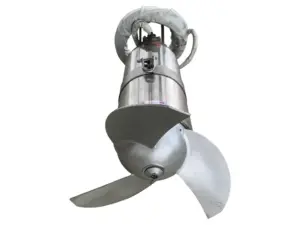
Submersible mixer maintenance starts with the correct equipment manual, a plan matched to the operating conditions, and records of what was found and done. Inspection intervals, oil requirements, and service tasks depend on the model and configuration. A timetable copied from another mixer is not a reliable basis for the work.
A maintenance sheet marked checked tells the next shift very little. Which unit was inspected? What condition was recorded, and which document defined the task? This guide helps you turn those questions into a usable plan, inspection record, and service enquiry.
Key takeaways
- Match every task to the exact model and manual revision.
- Separate operating observations from work that requires a shutdown.
- Record condition and evidence, not just a completed tick box.
- Confirm chamber, bearing, and part details before arranging service.
Preparing a maintenance enquiry? Send Kairun the model and available service records, including the duty, observed issue, and documents you already have. Identify missing information before asking for parts or a work scope.
Build a Model-Based Submersible Mixer Maintenance Plan
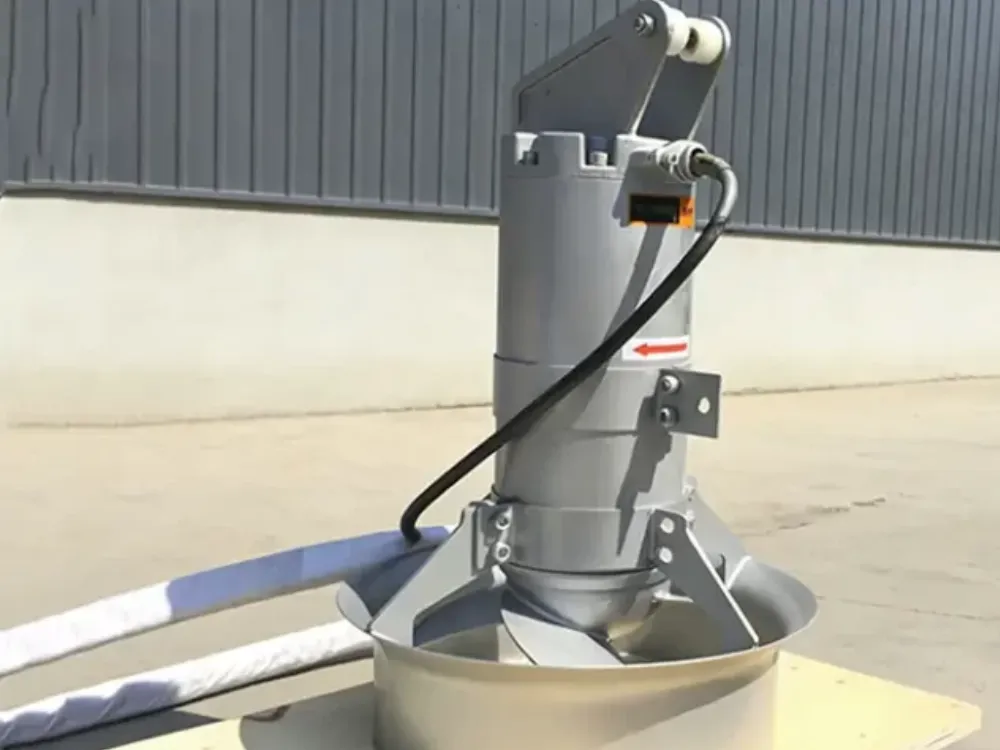
Match the asset to its documents
Begin with the asset ID, model, and serial number. An asset ID is the plant’s own reference for a specific unit. Keep it beside the manufacturer’s identification so a work order cannot be confused with one for a similar mixer.
For submersible mixer maintenance, collect the installation, operation, and maintenance manual, often called the IOM. Add the parts drawing and any documents supplied for the installed motor, controls, mounting, and accessories. Record the revision of each file.
| Asset information | What to record | What to leave open if unknown |
|---|---|---|
| Identification | Plant asset ID, model, serial number | Missing or unreadable identification |
| Documents | Manual title, revision, relevant task section | Whether the file matches this unit |
| Configuration | Installed motor, propeller, controls, mounting | Changes from the original supply |
| Duty | Medium information, liquid levels, actual run schedule | Unconfirmed operating conditions |
| History | Inspection, repair, and replacement records | Gaps needing supplier review |
Base the submersible mixer maintenance plan on the unit in the tank. Check its history. If the motor or seal arrangement has changed, record the change and ask which files now apply. Don’t assume the original purchase description still covers the equipment.
Define the basis for each interval
The Sulzer XRW 210–900 IOM, section 12.4, gives service intervals for its stated applications and conditions. It also allows for changes according to the application. That is a useful reminder to retain the conditions attached to a schedule.
When planning submersible mixer maintenance, list the task, its document reference, and the stated timing basis. If hours and calendar time both apply, preserve the manufacturer’s wording. Have the responsible team confirm how the schedule fits the actual duty.
For the wider equipment review, see the submersible mixer selection guide. It helps organize duty and access information without replacing the service instructions for an installed unit.
Illustrative scenario: an inherited schedule. A maintenance team receives a checklist with no model or manual reference. It identifies the installed unit and asks for the matching documents before carrying the schedule forward. This example reports no customer project, repair result, or change in service life.
Separate Operating Observations From Shutdown Work
Record observations without opening equipment
Operating observations can help prepare submersible mixer maintenance. Keep the actual run status, relevant alarms, and reported changes in noise or vibration with their dates and conditions. Use the site’s approved observation methods; do not touch moving equipment or open it to complete a routine log.
Keep the observation separate from its possible cause. A change may need an equipment review, a process review, or both. Record what was noticed before ordering a part.
For example, a note saying new vibration should identify the asset, date, run status, and where the observation was made. Add the related alarm or work-order reference if one exists. Leave the cause open until the responsible person has reviewed the evidence.
Submersible mixer maintenance should also distinguish planned work from an abnormal condition that needs prompt attention. Follow the equipment instructions and the site’s response process. Do not wait for the next calendar task to address an alarm or a condition that the manual requires the team to investigate.
Plan access and retrieval
Before shutdown work, agree who will perform it and which instructions apply. Plan the approved isolation and prevention of restart, lifting arrangements, cleaning, support, and access. Qualified personnel must follow the equipment documents and site procedures for the actual work.
In submersible mixer maintenance, the retrieval route belongs in the preparation record. Show the unit’s path from its installed position to the service area. Check the available documents for mounting and lifting accessories rather than assuming the mixer can be removed through any nearby hatch.
Use the separate installation and retrieval planning guide to organize the access questions. It does not set lifting loads or approve a service method for an unspecified unit.
Define the work boundary
Name the work before starting submersible mixer maintenance. Is it an observation, an inspection, a service task, or a repair? State what is authorized and who reviews further findings. A visual check doesn’t authorize a seal replacement or an electrical test.
Also record whether cleaning or decontamination is required for the equipment and medium. The job plan should identify the responsible personnel and applicable instructions. A general checklist cannot determine the full precautions needed at a particular site.
Inspection Areas in Submersible Mixer Maintenance
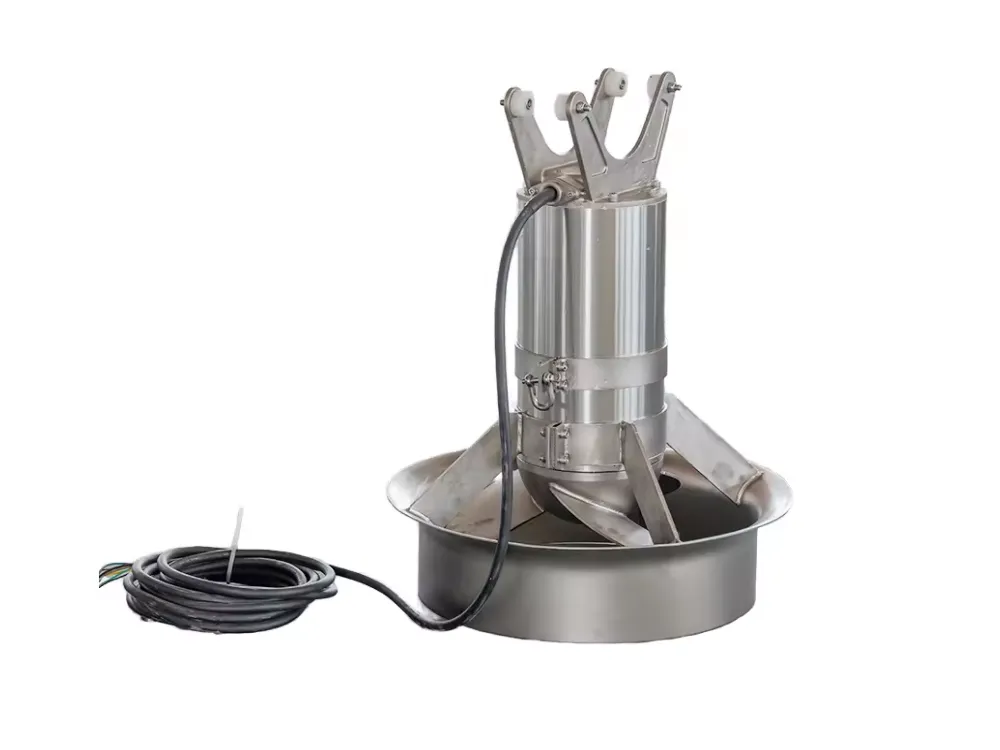
Propeller, housing, and installation accessories
Use the model’s inspection requirements to define the scope. Record observed wear, damage, deposits, or loose components with a location and useful evidence. A short description and a clear photograph are more informative than a single entry saying condition normal.
The following submersible mixer maintenance table is a record template, not a list of tasks permitted during operation. The applicable manual and work plan determine how each check is performed.
| Area | Basis to confirm | Useful record | Question to keep open |
|---|---|---|---|
| Propeller and housing | Model inspection instructions | Location and description of visible condition | Does a finding need supplier assessment? |
| Mounting and guide components | Installed accessory documents | Identification, condition, and findings | Which component or connection is affected? |
| Lifting accessories | Applicable accessory instructions | Inspection status and unresolved issues | Is the planned retrieval method approved? |
| Cables and entries | Equipment and electrical documents | Identified damage or other observations | Who must assess the finding? |
| Monitoring devices | Approved test instructions | Test reference, result, and responsible person | Has the required function been confirmed? |
If deposits are part of the concern, distinguish the maintenance finding from the tank’s mixing conditions. The guide to reviewing sludge deposits addresses the wider operating questions. Deposits alone do not establish that a mechanical part has failed.
This Sulzer video provides background on its ABS XRW mixing equipment. Use it only for equipment context: it is not a maintenance procedure, a Kairun service demonstration, or an instruction for opening, lifting, or repairing your unit.
Cables, entries, and monitoring
For submersible mixer maintenance, retain the inspection scope given for the connection cable, cable support, entries, and monitoring devices. Record which instruction or approved method was used. Electrical testing and protective-function checks belong to qualified personnel under the applicable documents.
The Wilo Flumen maintenance interval chapter separates cable, accessory, mixer, and monitoring checks. Its timing and tasks apply to that manual’s scope. They are not a Kairun inspection schedule.
Seals, chambers, and bearings
Do not put a generic grease every bearing instruction into submersible mixer maintenance. Bearing design and service requirements vary. Identify the exact component and follow the matching instructions before listing a lubrication task.
The Grundfos AMD, AMG, and AFG manual, section 9.2, separates motor, cable, shaft-seal housing, gearbox, and accessory requirements. This illustrates why a service chart needs component and model labels. It does not define service tasks for another manufacturer’s mixer.
Oil, Seals, and Parts: Confirm Before Servicing
Identify the chamber and its requirements
Oil-related submersible mixer maintenance needs more than an oil change entry. Confirm which chamber is involved, the exact configuration, and the source of the required fluid and quantity. Keep the specified task and conditions with that reference.
Do not transfer a universal oil grade, filling quantity, or interval from a general article. A seal chamber, gearbox, and oil-filled motor are different descriptions. The service document should establish what applies to the unit being reviewed.
For submersible mixer maintenance, keep any fluid observations and service findings with the equipment record. Ask qualified service personnel to interpret unusual findings using the appropriate manual. This guide does not prescribe opening a chamber, handling a plug, or filling the equipment.
Match parts to the installed configuration
Identify parts by the equipment and parts documents, not appearance alone. Include a drawing reference or part number when available. If a previous replacement changed the configuration, supply that history rather than assuming the original parts list still applies.
In submersible mixer maintenance, seal and bearing work requires the correct service scope, parts, tools, and personnel. Establish those needs before arranging the work. A broadly similar mixer is not sufficient evidence that a seal kit or bearing will fit.
Illustrative scenario: similar housings. Two units look alike, but the available records show different configurations. The team sends the identification and parts references with its enquiry instead of requesting a kit from a photograph alone. No parts compatibility or successful repair is claimed.
Use alarms to request help
A leakage alarm does not, by itself, establish which component is damaged. Record the alarm, timing, operating conditions, and previous relevant work. Follow the prescribed response and request the appropriate assessment rather than turning a log entry into an unsupported diagnosis.
For submersible mixer maintenance, keep the unresolved question visible in the work order. Record who will assess it and which evidence they need. Do not mark the issue closed simply because a notification was acknowledged.
Keep a Service Record That Supports the Next Decision
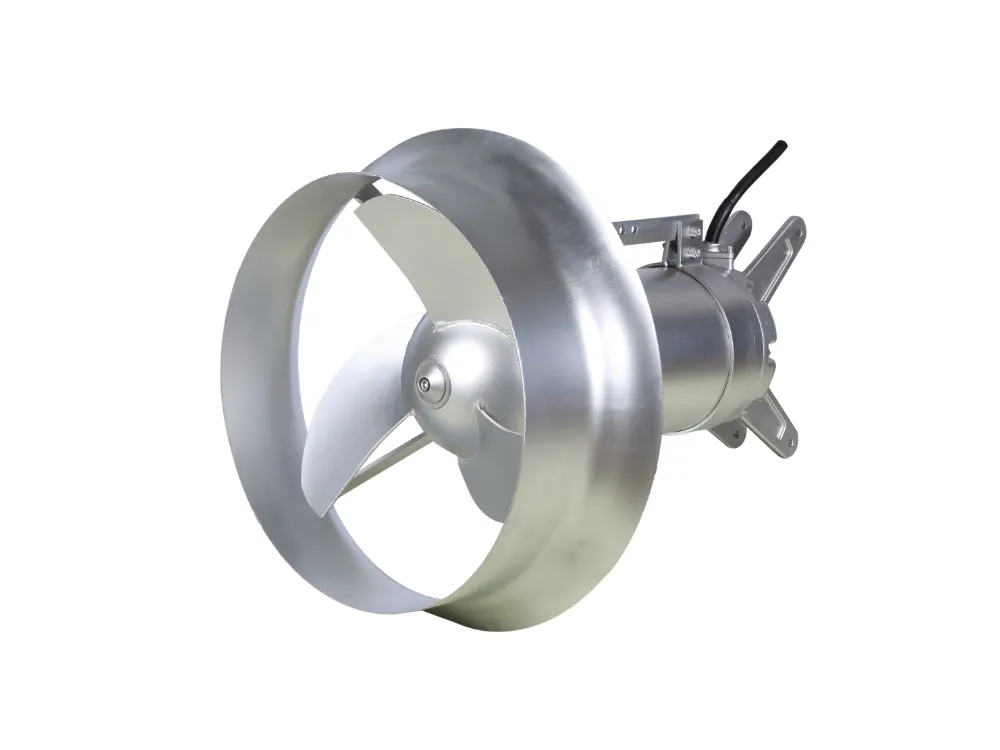
Record condition, action, and evidence
A useful submersible mixer maintenance record connects the observation to the action taken. It identifies the person, date, equipment, document, and outstanding issue. The next reviewer should be able to understand what happened without relying on memory.
| RFQ field | Information to provide |
|---|---|
| Existing material | Grade, supplier, drawing revision, and reason for change |
| Electrical requirement | Supply/control mode, cold resistance, test temperature, and hot-resistance basis |
| Thermal task | Process setpoint, wire-temperature evidence, duration, and heating cycle |
| Environment | Gas mixture, pressure, contaminants, load, and support materials |
| Physical design | Heated length, cross-section, coil dimensions, supports, and terminals |
| Purchase and acceptance | Quantity, supply condition, test documents, agreed limits, and delivery terms |
| Closure | Required checks, responsible confirmation, next review basis |
Keep original findings even when later work resolves them. If a record is corrected, make the revision clear. An entry should distinguish a measured result, an observation, and an assumption.
Close the work order deliberately
Closing submersible mixer maintenance means checking that the agreed work and required records are complete. Identify any further assessment, restrictions, or restoration checks specified by the equipment instructions and work plan. The responsible personnel must confirm the conditions for returning equipment to service.
Set the next review from the applicable task basis and documented decisions. Do not automatically restart the calendar without considering unresolved findings. Keep the reason for any approved schedule change with the asset history.
Illustrative scenario: a missing inspection record. A work order is marked complete, but its findings and supporting file cannot be located. The reviewer requests the missing record and leaves that item open. The example demonstrates a documentation gap, not a proven equipment defect.
Use Evidence for Running-Cost Claims
After submersible mixer maintenance, prepare a focused enquiry if more help or parts are needed. Use these fields for submersible mixer maintenance follow-up:
- Asset ID, model, serial number, and installed configuration.
- Manual revision, drawing reference, and part number if known.
- Relevant inspection findings, photographs, and service history.
- The requested part or service scope, with the unresolved question.
Mark what you know. Leave uncertain identification or compatibility open for confirmation.
This pack supports a clearer discussion than a message requesting a seal for a mixer. It also keeps the requested scope separate from any diagnosis that has not been established.
Compare Cost and Prepare a Furnace RFQ
Illustrative Scenario: Two Different Quotes
Use the interval and conditions in the correct equipment documents, reviewed against the actual duty. Submersible mixer maintenance cannot be reduced to one calendar for every model. Keep operating-hour and calendar requirements exactly as specified, including any conditions for review.
Keep a Reviewable Selection Record
No universal greasing rule applies. Confirm the bearing arrangement and service instructions for the exact unit. Do not assume either that all bearings need routine grease or that a maintenance-free component makes the entire mixer maintenance-free.
Which Is Better for a Furnace: Nichrome or Kanthal?
Use the documents that match the installed configuration. Another model’s interval, chamber, fluid, or quantity may not apply. If the correct information is missing, request it before scheduling that service task.
Is Kanthal Always a FeCrAl Material?
For a nichrome vs kanthal substitution, retain the original material specification and proposed changes together. If a change affects the controller, connections, or operating procedure, include the relevant equipment reviewer. Do not use a material comparison table as the entire approval record.
What should a spare-parts enquiry include?
Compare quotes against the same technical scope. Unit price, material quantity, test requirements, and supply condition all matter. A nichrome vs kanthal cost comparison without those inputs can give a misleading result.
For equipment information, review Kairun’s submersible mixer product page. To discuss a service-related requirement, send the model, records, and parts enquiry details. Good submersible mixer maintenance leaves a traceable basis for the next decision: the right documents, useful findings, and a clear account of what still needs attention.