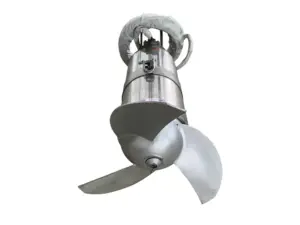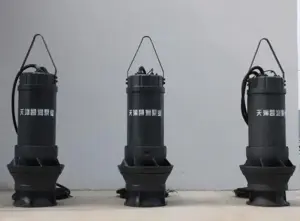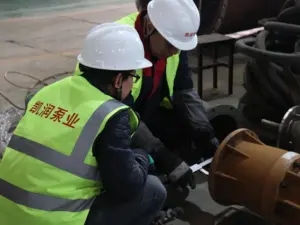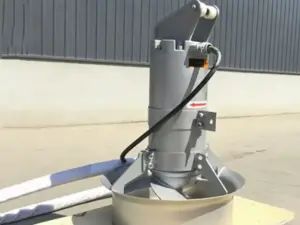
Submersible mixer vs agitator is not always a choice between two different machines. The names can overlap: submersible describes where equipment operates, while agitator can be a broader equipment name.
That matters when two suppliers send quotations with different labels. Before comparing them, check whether they propose different mounting arrangements or simply use different words. This guide helps you define the equipment, compare its duty and site needs, and prepare a clearer enquiry.
Key takeaways
- Check the actual design before treating mixer and agitator as separate categories.
- Define whether you mean a submerged unit or a specific top-entry arrangement.
- Compare the same mixing task, tank conditions, and operating range.
- Review supports, access, and removal paths with the proposed equipment.
- Request comparable scope and operating data before deciding on cost.
Comparing proposals? Send Kairun your mixing duty and tank drawings. Include the equipment descriptions and the questions you need resolved.
Submersible Mixer vs Agitator: Are They Different?
Names can describe different things
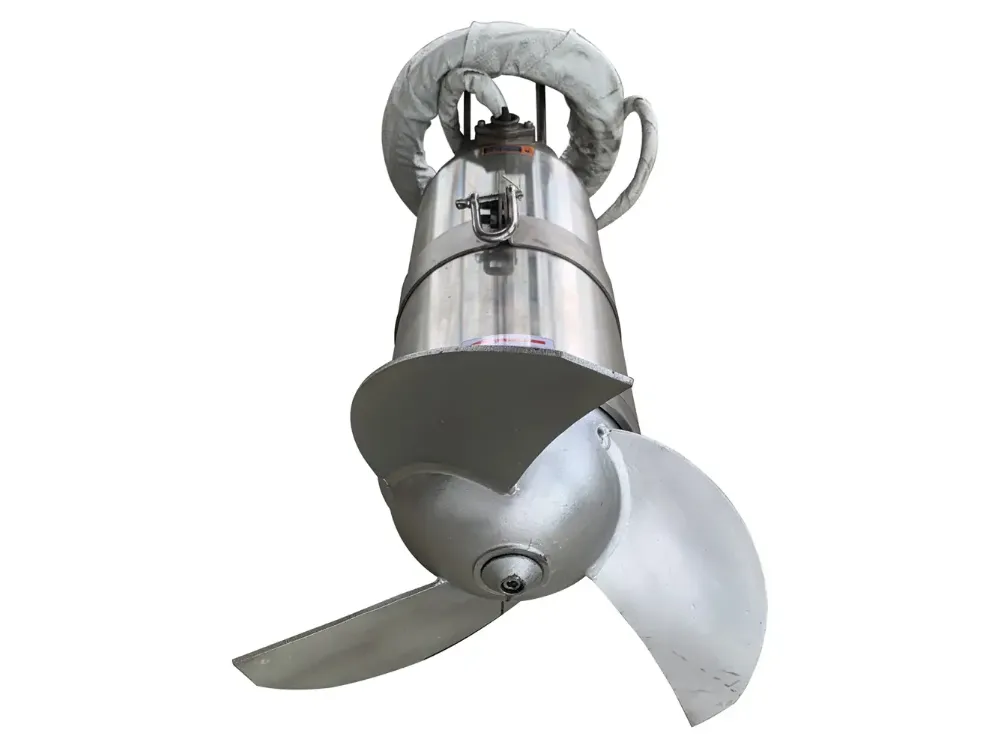
Start a submersible mixer vs agitator comparison by asking what each name means in the proposal. A supplier may call a submerged mixing unit an agitator. Another may use that word for equipment driven from above the tank.
Sulzer’s submersible mixer overview includes agitating, blending, dissolving, and solids suspension among the tasks of its products. This illustrates why the words alone cannot define two separate process outcomes. It does not prove that every model can perform every listed task.
Avoid a universal rule that agitators only stir gently while mixers always create high shear. That wording can hide the actual design and process requirement. Ask for the proposed model, impeller arrangement, and supporting information instead.
Define the equipment in the quote
Use a short description beside the supplier’s product name. For example, identify a submerged unit with its proposed support system, or a top-entry arrangement with a dry-installed drive. Keep the supplier’s exact model reference attached.
| Name in an enquiry | Question to resolve | Evidence to request |
|---|---|---|
| Submersible mixer | Which unit and mounting arrangement? | Model sheet and layout |
| Submersible agitator | Is this another name for the proposed submerged unit? | Model and installation drawing |
| Top-entry agitator | Where are the drive, shaft, and impellers? | General arrangement drawing |
| Mixer | Which equipment type does this mean here? | Full equipment description |
This table clarifies a submersible mixer vs agitator discussion. It is not a technical classification standard or a list of interchangeable products.
Before opening a submersible mixer vs agitator comparison, agree on the two proposal descriptions. Use the same names in drawings, meeting notes, and the enquiry sheet. If a supplier changes its model, update that description too. This avoids carrying an old label into a new decision.
Illustrative scenario: A buyer receives one quotation for a mixer and another for an agitator. Both drawings show submerged units. The buyer compares the actual models and scope rather than assuming the different names describe different installation types.
Compare the Installation Arrangement, Not Just the Label
Locate the unit, drive, and supports
For submersible mixer vs agitator selection, mark the proposed equipment on the tank drawing. Show the drive position, impeller position, mounting point, and planned access. The drawing makes differences easier to discuss than a product name alone.
Kairun’s published submersible mixer page provides equipment information and an enquiry route. The exact mounting system still needs to match the proposed model and site. Do not assume that every rail, bracket, cable, or lifting item is part of a standard package.
A submerged unit needs a defined working position and a practical way to reach it for the required work. Record the liquid levels and the manufacturer’s operating limits. Keep unconfirmed details open until the supplier and project team review them.
Describe a top-entry proposal precisely
In an earlier Xylem top-entry product announcement, the company describes a dry-installed agitator with a submerged shaft and impellers. That is a specific design example, not a definition of every machine called an agitator. The historical announcement also does not confirm current stock or availability.
For a proposed top-entry unit, request the actual drive, shaft, impeller, and support arrangement. Check the space needed above and around the tank. A drive located above the liquid does not settle how the submerged parts will be inspected or removed.
Use these questions for the submersible mixer vs agitator layout review:
| Review point | Submerged-unit proposal | Top-entry proposal |
|---|---|---|
| Equipment location | Confirm working position and liquid limits | Confirm drive, shaft, and impeller positions |
| Support | Review proposed mounting and loads | Review proposed support and loads |
| Access | Show the route to retrieve the unit | Show access to drive and submerged parts |
| Existing tank | Check interfaces and obstructions | Check interfaces and overhead space |
| Required documents | Model instructions and layout | Model instructions and layout |
Neither column is an automatic approval. The responsible project team must assess the actual arrangement and its supporting documents.
Match Each Proposal to the Mixing Duty
Describe the result the tank needs
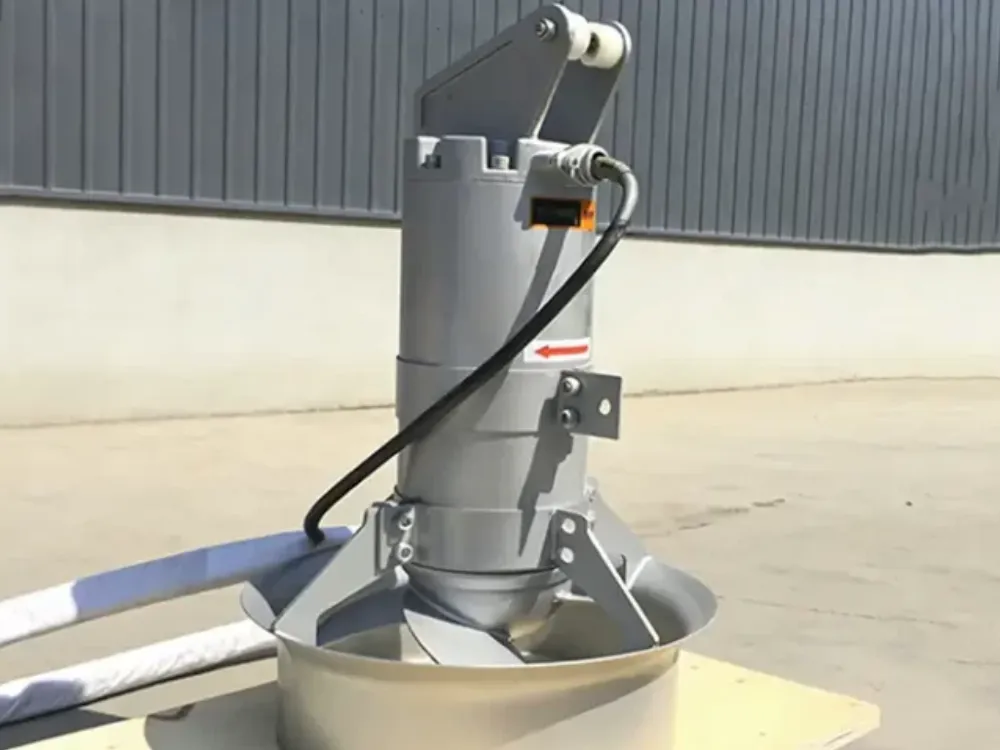
A submersible mixer vs agitator decision needs a shared process brief. State whether the task is solids suspension, blending, or circulation. Explain the concern you are trying to address, such as a recurring deposit or uneven distribution between sampling points.
Provide the tank dimensions, normal liquid levels, inlets, outlets, and internal obstructions. Include the available liquid and solids data with their source and date. A broad label such as wastewater leaves many questions unanswered.
The submersible mixer selection guide organizes these inputs around the mixing task and tank layout. Use it to prepare a common brief for both proposals. Keep assumptions distinct from measured values so reviewers can see the limits of the information.
For submersible mixer vs agitator comparisons, specify the operating cases as well. Describe normal operation and any relevant changes in liquid level or process conditions. Ask the supplier which cases its proposal covers and which still require review.
Request model-specific performance evidence
Motor power is one equipment detail. It doesn’t show, by itself, how the tank will be mixed. Ask how the proposed arrangement will be assessed against the required duty.
The top-entry mixer catalogue at the SPX FLOW domain lists several product families and configurations. A category label therefore still leaves a model choice to be made. Do not use one catalogue example to infer a universal viscosity limit or performance advantage.
Keep a submersible mixer vs agitator evidence sheet with the model reference, layout revision, duty assumptions, and documents supplied. Ask which information supports the proposed application.
Use a submersible mixer vs agitator review table to separate what is known from what needs an answer:
| Record status | What to keep in the file |
|---|---|
| Confirmed | The model or drawing reference supporting the entry |
| Proposed | The supplier’s stated arrangement, pending review |
| Assumed | The value used and who needs to check it |
| Open | The question and the person responsible for the answer |
These are document labels, not performance ratings. A proposed arrangement still needs the agreed review. Keep the date and source beside each entry so another reviewer can follow the decision. A missing document should remain a request, not become an assumed result.
For more detail on the tank inputs, see tank geometry and thrust in mixer sizing. Use that information to frame questions rather than selecting equipment solely by a power label or a simple tank-volume ratio.
Review Access, Supports and Maintenance
Check the whole removal path
Include access in the submersible mixer vs agitator review before accepting a layout. Mark openings, nearby pipework, working space, and the proposed removal route. Ask the responsible team to confirm what equipment and space the planned work requires.
A unit fitting its working position is only part of the access question. Check how it will pass through the opening and reach the agreed service location. Keep any unresolved clearance or support issue visible in the design record.
For a retrofit, attach the current drawings and identify changes made since installation. Do not assume an existing support or rail suits a replacement unit. The proposed model and site conditions need their own review.
Make a submersible mixer vs agitator access sketch from the current layout. Mark the working position, opening, route out of the tank, and service area. Show where dimensions are missing. Ask the site team which records or checks can resolve those gaps before treating the route as feasible.
Illustrative scenario: A team compares a submerged unit with a top-entry proposal for an existing tank. The overhead clearance has not been confirmed. The team requests the missing dimensions before treating either arrangement as ready to install.
Separate drive access from service requirements
In submersible mixer vs agitator discussions, easy access to a drive should not be treated as proof of easy access to every part. Ask which tasks require access to the shaft, seals, impellers, or submerged unit. Use the exact model’s instructions to define the work.
Record the required skills, planned access, and service scope. Do not assign one universal maintenance interval to both arrangements. A general comparison cannot replace the manufacturer’s instructions or the site’s approved work process.
The installation and retrieval planning guide helps organize layout and access questions. It does not approve a lifting arrangement or provide a substitute for model-specific installation review.
Submersible Mixer vs Agitator: Compare Costs Fairly
Compare the same duty and supply boundary
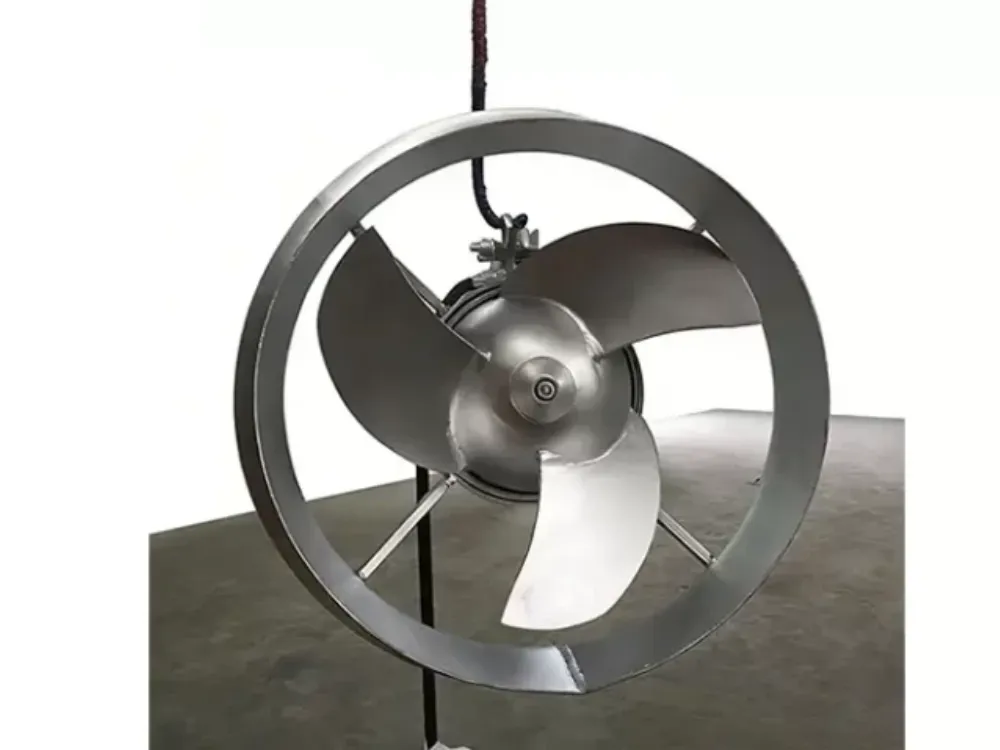
There is no supported universal price winner in a submersible mixer vs agitator comparison. First align the duty, quantity, and equipment scope. Then separate the supplied equipment from the site work needed to use it.
Ask whether each offer covers the mounting or support system, cables, controls, documents, and agreed services. Record options and exclusions separately. An item that is not stated should not receive a zero cost in the comparison.
| Cost area | Question for both proposals |
|---|---|
| Equipment | Which model, quantity, and duty are priced? |
| Supports and interfaces | What is supplied and what needs site review? |
| Controls and power | Which components and connections are included? |
| Installation and service | Who supplies each agreed task? |
| Unresolved scope | Who will clarify it, and in which quote revision? |
Keep the original offers with the submersible mixer vs agitator worksheet. When the scope changes, record the new revision rather than silently replacing a figure in the budget.
Close a submersible mixer vs agitator comparison in stages. First confirm the duty and actual equipment. Then resolve the layout, access, and scope questions.
Finally, record the basis for the purchasing decision and any conditions still attached. A low quoted amount does not close an unanswered technical question.
Obtain operating data before claiming savings
Use comparable electrical-input data and operating schedules when reviewing energy cost. Do not treat rated shaft output as measured electrical consumption. Confirm that the proposals address the same process duty before comparing their operating figures.
Illustrative scenario: A buyer has two motor power ratings but no agreed running schedule or comparable electrical-input data. The buyer leaves the savings field open and requests the missing evidence. No energy saving or payback result has been established.
A submersible mixer vs agitator cost review should keep measured data, supplier information, assumptions, and unknowns separate. That makes later changes traceable without changing what the supplier actually quoted.
Decision Checklist and FAQs
Prepare one enquiry sheet for the project
Bring the submersible mixer vs agitator comparison back to the tank and its required result. Send the same current brief to each supplier. Identify who can answer the remaining technical and commercial questions.
Include:
- The mixing task and the evidence that will be used to assess it.
- Tank drawings, liquid levels, obstructions, and available liquid data.
- The actual proposed equipment type, model, and mounting arrangement.
- Site power, controls, cables, and existing interfaces needing review.
- Support, access, retrieval, and maintenance questions.
- Required documents, quote scope, options, and unresolved items.
Don’t fill gaps with convenient defaults. Mark the gap, identify its owner, and ask how it affects the proposal. A useful comparison shows both the equipment differences and the limits of what is known.
Is a submersible mixer also called an agitator?
The terms can overlap in supplier descriptions. For a submersible mixer vs agitator enquiry, request the model and installation drawing to confirm what equipment is meant. A different name alone does not establish a different machine.
Is a top-entry agitator always better for thick liquid?
The name alone cannot answer that question. Supply the relevant liquid properties and process task, then request an assessment for the actual model and arrangement. Do not use a generic viscosity boundary to choose between all submerged and top-entry products.
Which arrangement uses less electricity?
Compare electrical input and operating time for proposals meeting the same duty. A category name, motor label, or broad efficiency claim is not a measured project result. Keep missing energy data open until suitable evidence is available.
Can I choose by motor power alone?
No. The tank layout, process conditions, equipment arrangement, and supporting performance information also need review. Keep the power rating as one specification within the proposal.
Discuss the actual equipment with Kairun
Review Kairun’s submersible mixer options alongside your project brief. Identify the duty and the site questions before asking for a model proposal. The comparison examples here do not establish that Kairun supplies every equipment type discussed.
For a submersible mixer vs agitator enquiry, contact Kairun with your drawings and mixing requirements. Ask which proposed equipment, documents, and supply scope match the project, and keep remaining questions visible in the written response.